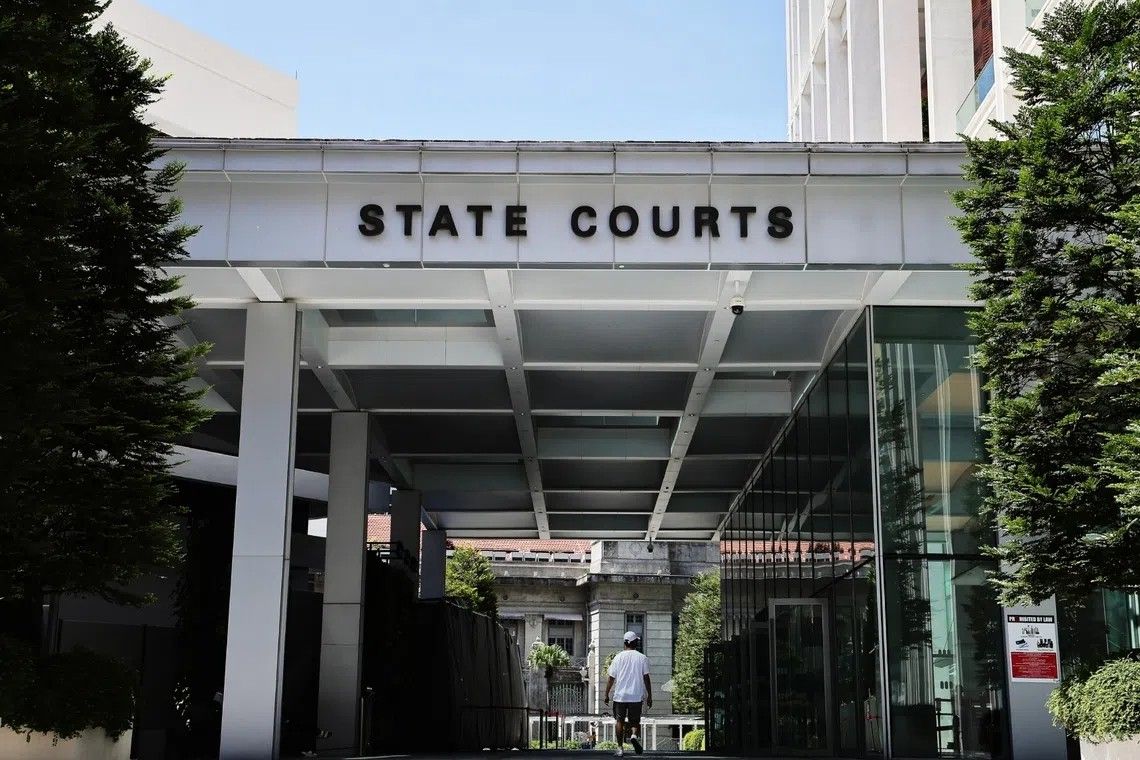
A 22-year-old man in Singapore now faces a serious criminal case following the death of a petrol station worker in a horrific incident that unfolded in the early morning hours of 8 August. Ray Png AZ was formally charged with eight separate offences, encompassing driving without valid licensing credentials, operating a motor vehicle in a manner endangering life that resulted in fatality, and driving whilst impaired by controlled substances. The charges carry substantial penalties that could result in significant imprisonment and fines should he be convicted on all counts.
The tragedy occurred at approximately 3.55am on 6 August at an Esso service station along Upper Changi Road North. According to police reconstruction of events, the sequence began when the driver abruptly reversed his vehicle whilst a 69-year-old pump attendant was preparing to refuel it. The open driver's door struck the elderly worker with sufficient force to knock him to the ground, where he struck his head. Emergency services transported him to hospital, but medical staff were unable to save his life. The circumstances represent a cautionary tale about the dangers that arise when vehicles operate without proper safety considerations.
What compounded the gravity of the situation was that the vehicle itself was deregistered, meaning it lacked valid insurance coverage and had not undergone mandatory safety inspections. Police subsequently determined that Png had no valid driving licence at the time of the incident. After striking the pump attendant, he fled the scene with a female passenger, abandoning the vehicle. Both individuals were apprehended later that same day. The swift police response prevented either party from evading accountability, though the damage had already been tragically done.
The female passenger faces her own legal jeopardy. She is currently being investigated for allegedly consuming a controlled substance herself and for abetting the driver in his unlawful conduct. Her potential culpability highlights how such incidents often involve multiple parties whose poor judgment or criminal complicity creates conditions for disaster. The investigation continues to examine the full circumstances surrounding both individuals' involvement.
Authorities have emphasised the particular dangers posed by deregistered vehicles in circulation on roadways. When vehicles lack current registration, they typically do not maintain active insurance policies, leaving victims of accidents without recourse for compensation. Furthermore, deregistered vehicles may have failed safety inspections or lack necessary maintenance, increasing mechanical failure risks. When such vehicles are operated by unlicensed drivers—particularly those impaired by drugs—the hazards multiply exponentially. The police statement underscored that this combination of factors creates an elevated threat to public safety.
The penalties Png faces if convicted reflect the severity with which Singapore's legal system treats these offences. For operating a motor vehicle without valid licensing, the maximum punishment is a fine not exceeding $10,000, imprisonment for up to three years, or both, with potential forfeiture of the vehicle. The charge of driving without due care and attention that caused death carries a maximum fine of $10,000 and imprisonment up to three years. Driving under the influence of drugs carries fines between $2,000 and $10,000, jail terms up to one year, or both, with possible disqualification from operating any class of vehicle.
Operating a deregistered vehicle itself attracts penalties of up to $20,000 in fines and two years imprisonment. The cumulative effect of eight charges means Png potentially faces substantial time in custody should courts convict him on the majority of counts. Sentencing guidelines would likely reflect the fatal outcome and the multiple aggravating factors—the unlicensed status, drug impairment, and operation of an uninsured, unregistered vehicle—all converging in a single catastrophic moment.
For Malaysia and Southeast Asia more broadly, this case serves as a sobering reminder of enforcement gaps that persist across the region regarding unlicensed and unregistered vehicles. Many countries in Southeast Asia struggle with effective regulation of deregistered vehicles that continue operating on public roads. The case also highlights the particular danger posed by drug-impaired drivers, an issue affecting multiple nations in the region. Road safety advocates point to similar patterns: deregistered vehicles disproportionately involve young or unlicensed drivers, often operating without insurance, and frequently involved in incidents where impairment from substances plays a contributing role.
The pre-trial conference scheduled for 28 August will determine the trajectory of the case, though the facts appear largely established. Png's decision to flee the scene rather than render assistance to the injured worker may also factor into judicial considerations regarding sentencing, should convictions result. The incident has renewed focus on Singapore's ongoing efforts to remove deregistered vehicles from circulation and prevent unlicensed drivers from accessing roads.
This tragedy underscores vulnerabilities in enforcement mechanisms across the region. While Singapore maintains relatively strict regulatory frameworks, the case demonstrates that determined offenders can still operate vehicles outside legal sanction. The death of the 69-year-old attendant—killed not whilst committing any offence himself, but merely performing his routine occupational duties—represents a stark illustration of how cascading poor decisions by a single individual can devastate families and communities. Road safety requires not merely laws on paper, but consistent enforcement and cultural commitment to legal compliance.

