Authorities in Singapore have moved to prosecute a 40-year-old individual accused of submitting false bomb threat reports targeting two significant government facilities within a four-day period in early July. The suspect faced charges following his arrest, with court proceedings scheduled to commence days after his apprehension. The sequence of events that triggered the investigation began when the Home Team Science and Technology Agency received an online form containing a claim that an explosive device had been left at its headquarters located at One North.
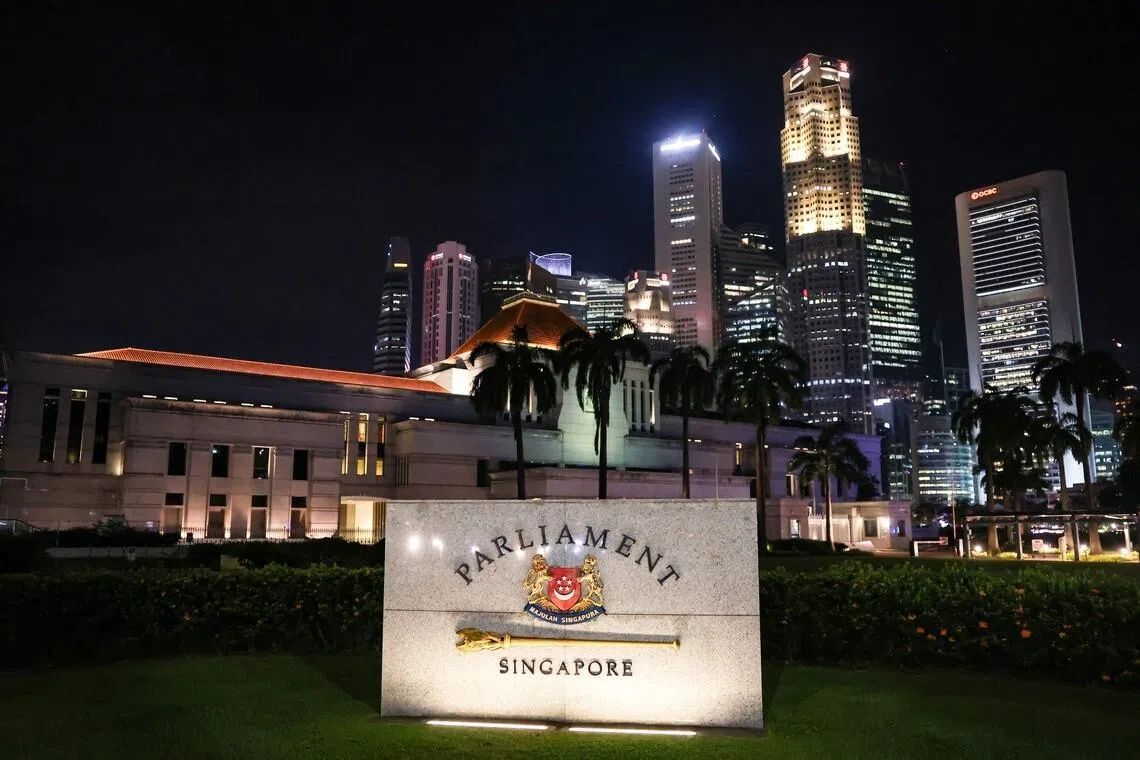
Four days later, the pattern repeated when the Prime Minister's Office received an anonymous electronic communication making a similar allegation, this time directed at the Parliament House complex. Both messages initiated extensive security responses from law enforcement, with police personnel conducting comprehensive searches of each building and surrounding areas to verify the claims. No dangerous items or suspicious objects were discovered during these systematic inspections, confirming that both threats lacked any factual basis.
The investigation progressed rapidly once detectives from the Criminal Investigation Department and Central Police Division began comparing the two incidents. Their analysis revealed that both communications had originated from the same source, establishing a clear pattern of deliberate false reporting rather than isolated incidents. This connection proved instrumental in identifying and locating the suspect, who was apprehended on the same date as the second threat.
Law enforcement recovered multiple electronic devices from the suspect's possession, equipment believed to have facilitated the transmission of both threats. These items now serve as key evidence in the prosecution case, providing a direct technological link between the accused individual and the communications sent to government institutions. The recovery of such devices strengthens authorities' ability to demonstrate the suspect's involvement in the scheme.
The charges filed against the individual relate to communicating false information regarding a harmful thing, a provision within Singapore's legal framework designed to combat hoax threats and false alarms. If convicted on both counts, the maximum penalty structure provides for up to seven years of imprisonment, financial penalties reaching S$50,000, or a combination of both sentences. Such sentencing guidelines reflect the seriousness with which Singapore's legal system treats threats against public institutions, even when demonstrated to be fabrications.
From a broader security perspective, this incident highlights the vulnerability of critical government infrastructure to digital-age threats and the resource implications of responding to such false alarms. The investigation and response to these two hoaxes consumed significant portions of police capacity, including specialists from multiple divisions who must now prioritize unverified claims affecting sensitive facilities. Each false report necessitates the same comprehensive protective response as a credible threat, creating operational and financial burdens on public safety agencies.
The timing and targeting of these threats against Parliament House carries particular significance within Singapore's political context. The Parliament complex represents the legislative heart of the nation, and any security incident, genuine or fabricated, attracts heightened official attention. The direct notification to the Prime Minister's Office underscores how seriously such communications are treated within government channels, even when authentication has not yet occurred.
For the broader Southeast Asian region, this case illustrates an emerging challenge facing developed democracies and administrative centres. False threat communications have proliferated globally alongside digital accessibility, creating strain on security resources across the region's key institutions. Governments from Malaysia to Indonesia have similarly grappled with managing the distinction between credible intelligence requiring immediate response and deliberate hoaxes designed to disrupt normal operations or generate publicity.
The police statement accompanying the charges carried an explicit warning regarding the broader consequences of such false reports. Authorities emphasized that fictitious threats create unnecessary public anxiety within communities and divert personnel and equipment from legitimate security and investigative priorities. This cautionary message appears directed not only at the accused but at others who might consider similar actions, signaling that Singapore's law enforcement treats such matters with substantial severity.
The swift progression from discovery to arrest to charges reflects Singapore's efficient investigative procedures and prosecutorial systems. The entire process, from the first threat on July 3 to the arrest on July 7 to charges being filed by July 9, demonstrates the capability of authorities to quickly identify and apprehend individuals responsible for such communications. This efficiency may also serve as a deterrent, showing potential offenders that consequences follow rapidly.
The psychological dimension of hoax threats deserves consideration alongside the resource management concerns. Citizens and workers within government buildings experience genuine stress and disruption when evacuations or security sweeps are initiated, even when threats prove false. The individual accused in this case imposed measurable social and organizational costs on multiple government agencies and their staff through deliberate deception.
Moving forward, this prosecution may inform how Singapore and other advanced economies approach prevention and detection of similar hoaxes. Investigation outcomes could yield insights about the methods used to submit threats, the psychological profile of those making them, and technological means of preventing future incidents. Such learning processes benefit not only Singapore but contribute to regional security knowledge sharing among ASEAN nations facing comparable challenges.

