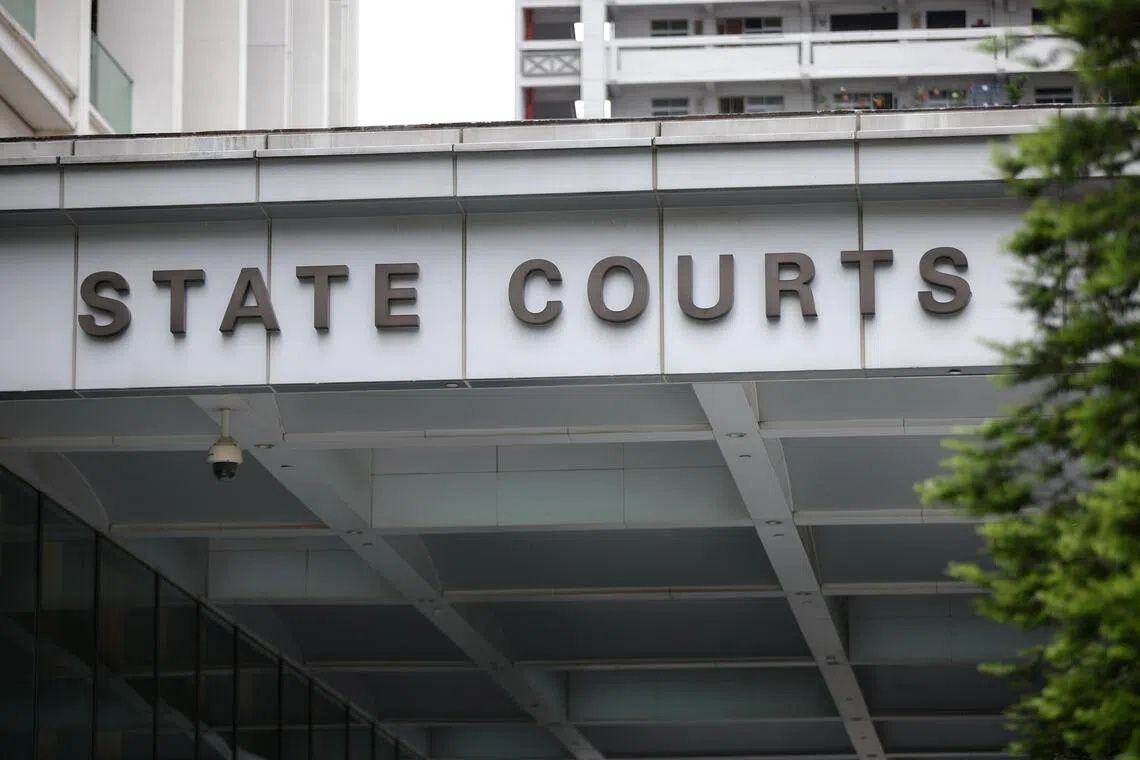
A Singapore court has handed down a substantial prison sentence and caning order in a revenge porn case that underscores the severe consequences of non-consensual intimate content distribution in the digital age. The offender, now 27 years old, was convicted of deliberately uploading explicit videos of his former girlfriend to a large social media group, an act the prosecution characterised as egregious and motivated by malice when she rejected his reconciliation advances.
The case originated from a relationship that began in 2016 when both parties were attending a religious institution. The victim was 15 years old and the offender 17 when they started dating. During their time together, she agreed to send him photographs and videos documenting intimate acts, something she later came to deeply regret. The relationship deteriorated over time as she perceived her partner's behaviour to be increasingly controlling and unhealthy, leading her to end the association more than a year after the videos were created.
When the pair separated, the victim took proactive steps to protect herself by deleting any intimate material she possessed of her ex-partner and explicitly requesting that he do likewise. However, the offender secretly retained copies of her videos, keeping them for personal use. This deception would have serious ramifications years later. In April 2021, nearly five years after their breakup, he attempted to rekindle their connection while already in another relationship, claiming he wanted to reconcile. The victim rejected this overture and blocked him on the platform.
Fuelled by rage at being spurned, the offender devised a scheme to punish and humiliate his former girlfriend. He created a fake account impersonating her identity and uploaded her intimate videos to a social media group boasting nearly 80,000 members, which itself was part of a platform with millions of users globally. The group, it would later emerge, contained a troubling collection of obscene material featuring various women in religious dress, making the targeting of religious imagery a particularly disturbing element of the abuse.
The victim first learned of the breach when she received an unsolicited message from a stranger on Instagram who had viewed her explicit material and made sexual propositions towards her. When she questioned him about the source of the images, he provided a direct link to the group where her videos were being circulated. Suspecting the offender's involvement, she created a false identity to infiltrate the group covertly and confirm her suspicions. Her investigation revealed the horrifying scope of the violation: her intimate content was indeed present amongst numerous other women's material, all exploitatively framed within a religious context.
The victim filed a formal police complaint, which led to the offender's arrest and eventual prosecution. The court proceedings revealed the profound and lasting damage inflicted by this crime. Over the nearly five-year period since the original abuse, the victim's life had been substantially altered by the continued circulation of her material. She experienced estrangement from her mother, ongoing harassment from individuals who had encountered her videos, and deep psychological scarring that extended into multiple aspects of her personal development.
Particularly damaging was the impact on her future aspirations. The victim had previously harboured ambitions to become a religious teacher, a career path she abandoned out of fear that her intimate images might resurface within that community and result in social ostracism. The Deputy Public Prosecutor, Chong Kee En, underscored during sentencing arguments that the offence's consequences had not diminished with time, but rather continued to reverberate through virtually every dimension of the victim's existence, from familial bonds to romantic prospects to professional possibilities.
In requesting a jail term of 30 to 36 months with three strokes of the cane, prosecutors emphasised the severity required to deter similar offences. The defence counsel, Sean Marican, sought leniency by characterising the offence as an impulsive act stemming from momentary anger over rejection, arguing for just one year's imprisonment without caning and minimal compensation of $500. Principal District Judge Toh Han Li rejected this minimisation, finding that the offender's actions were deliberately calculated to exact revenge and inflict maximum humiliation by portraying his victim as sexually promiscuous while clothed in religious vestments.
The judge sentenced the offender to two years and eight months' imprisonment with two strokes of the cane, and ordered him to pay $4,000 in compensation to the victim. Significantly, the court noted that despite nearly five years having passed, the victim continued to receive unsolicited sexual propositions from individuals who had discovered her material online, confirming that her intimate content remained actively circulating across digital platforms. This sobering reality illustrates how digital violations achieve a permanence that traditional crimes cannot, with content spreading beyond the offender's direct control and persisting indefinitely once uploaded.
The case carries substantial implications for Malaysia and the broader Southeast Asian region, where similar digital harassment occurs with alarming frequency but often receives inadequate legal responses. Singapore's tough sentencing approach, employing caning alongside imprisonment, reflects legislative recognition that intimate image abuse demands serious criminal consequences. Under Singapore law, those convicted of distributing intimate recordings face potential imprisonment of up to five years, fines, caning, or combinations thereof, providing courts with considerable sentencing flexibility to calibrate punishment to the gravity of individual cases.
For Malaysian readers and policymakers, this judgment provides instructive precedent on how courts can address the intersection of intimate image abuse with additional aggravating factors such as religious exploitation and sustained psychological harm. The case demonstrates that victim impact statements documenting long-term consequences can significantly influence sentencing outcomes, and that courts are increasingly willing to recognise non-consensual intimate content distribution as fundamentally different from conventional property crimes or harassment offences. The widespread circulation of the victim's material across a group with nearly 80,000 members, and its continued discovery by unknown parties years after upload, highlights the inadequacy of attempting to contain digital violations through individual platform reports or takedown requests.

