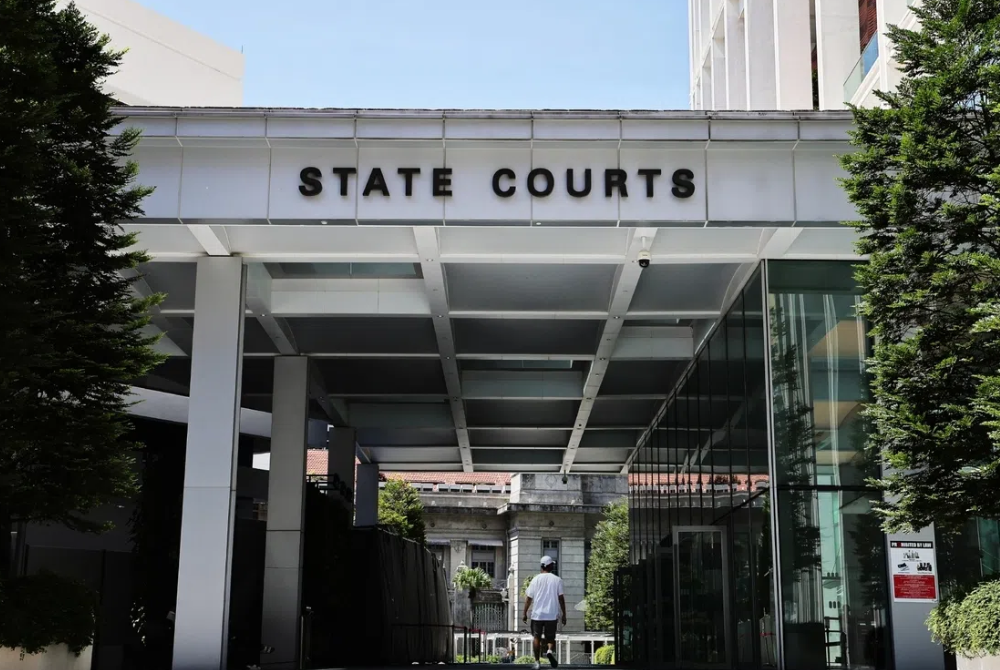
A Singaporean manager has received a lengthy prison sentence for the systematic and brutal abuse of primary school children placed under his care at a private educational facility. On Friday, August 21, the District Court imposed nine years and ten months imprisonment and eight strokes of the cane on the 31-year-old offender, whose identity remains protected by court order due to the presence of minor victims. The magnitude of the sentence reflects the severity and premeditated nature of the crimes committed between 2023 and the time of his arrest, marking one of Singapore's more egregious cases of institutional child abuse.
The pattern of violence inflicted upon the pupils was both systematic and shocking in its cruelty. The offender punched children repeatedly, deployed a clothes hanger as a weapon until it fractured under the force of his blows, and subjected victims to degrading treatment that extended beyond physical violence. Most disturbingly, he forced a six-year-old boy from China—one of his primary targets—to consume his own urine, an act that exemplifies the psychological humiliation layered upon the physical assault. The judge's sentencing remarks underscored that this particular child endured approximately 600 impacts from the offender's fists and hanger, alongside at least 40 instances of stomping to his back and buttocks, resulting in severe and life-threatening injuries including rib fractures and acute kidney failure that necessitated nine days of dialysis treatment.
The specificity of one incident on March 9 and 10, 2023, demonstrates the calculated nature of the abuse. The offender forced the six-year-old into a stress position—holding a push-up stance—while the child was studying English, initially for over an hour. When the boy indicated hunger, the manager allowed other students to eat dinner while maintaining the child in the strenuous position. This torment extended from 3.45 in the afternoon until the following morning, spanning approximately eighteen hours. During this extended period, the offender punched and stomped on the child at 1.15am, and between 2am and 7am, he placed a chair upon the boy's back and sat on it, intensifying the physical strain. When the child required urination, the manager forced him into a basin and subsequently compelled him to drink the urine when thirst emerged.
The offender's manipulation of parental authority further exposes the breach of trust inherent in his position. At approximately 6am on March 10, after hours of systematic abuse, he contacted the boy's father in China seeking permission to discipline the child. This call was deliberately deceptive—he requested authorization without disclosing the physical punishment already inflicted or clarifying the methods he intended to employ. The father, unaware of the true situation, granted permission. The offender then prevented the child from attending school that day and continued abuse throughout the daytime hours, wielding both a clothes hanger and his bare hands with such force that the hanger broke, yet he persisted in striking the child with the fractured implement while stomping repeatedly on his body.
The appointment of this individual to a position of responsibility stands as a critical institutional failure. The offender's aunt operated the educational facility, which provided residential accommodation for students and management consultancy services for international pupils. The man was employed as a manager beginning in 2016, with explicit responsibility for the welfare of students residing at the facility. He supervised homework, taught primary school subjects, and served as a caregiver—roles requiring qualifications in either education or childcare. However, he possessed neither credential. This absence of formal qualification, combined with inadequate institutional oversight, created the conditions under which such systematic abuse could persist and intensify throughout 2023.
The specific targeting of the six-year-old boy from China reveals a troubling pattern of predatory behavior directed at the most vulnerable. From January 2023 onwards, when the boy arrived at the facility, the offender subjected him to routine punishment and degradation. The child was compelled to sleep in the toilet rather than provided with proper sleeping quarters, and his diet was deliberately restricted to bread and water as a form of psychological punishment. These conditions—isolation, sleep deprivation, malnutrition, and violence—constitute a comprehensive assault on a child's physical and mental wellbeing. The medical consequences proved severe enough to require emergency intervention, with the child suffering kidney failure and requiring dialysis, acute complications that underscored the life-threatening nature of the abuse.
District Judge John Ng's sentencing remarks explicitly rejected the offender's personal history as justification for his actions. The defence submitted mitigating circumstances, noting that the offender had experienced an alcoholic father and a gangster elder brother who had physically abused him during childhood. The judge acknowledged these traumatic experiences but determined they could not excuse the deliberate infliction of suffering on children who depended on him for protection and care. His statement that the offender, having experienced abuse himself, should have been positioned to prevent such treatment rather than perpetuate it, underscores the principle that victimization in one's past does not authorize victimization of others. The judge's emphasis on the "brutality of the acts" and the complete betrayal of trust inherent in the offender's position crystallized the Court's assessment of the moral dimensions of the crimes.
The Deputy Public Prosecutors Timotheus Koh and Cheronne Lim presented evidence of the comprehensive breach of duty. They emphasized that the offender had abused the institutional trust placed in him and subjected vulnerable children to systematic violence. Their recitation of the six-year-old's ordeal—deprivation of food, mockery, forced urine consumption, hundreds of blows with a hanger, stomping, kicking to the ribs, stress positions exceeding eighteen hours—was coupled with the particularly sinister detail that the offender intentionally withheld medical attention for three days following the March 10 abuse, specifically because he feared police involvement. This deliberate concealment of life-threatening injuries demonstrates consciousness of guilt and an attempt to obstruct intervention.
The offender's guilty plea on July 9 to charges of child abuse, voluntarily causing grievous hurt, and providing false or misleading information to the Ministry of Manpower streamlined the judicial process but did not diminish the seriousness of the findings. The false information provided to the Ministry of Manpower represents an additional dimension of deception, suggesting the offender may have misrepresented his qualifications or the nature of his employment to regulatory authorities. The Court rejected his request to defer sentencing to attend prayers, indicating the judge's prioritization of the severity of the case over accommodations for religious observance. The offender was permitted only brief time with family members before being remanded into custody.
The case carries significant implications for child protection frameworks across Southeast Asia, where private educational facilities catering to international students operate in regulatory gray zones. Many such institutions employ staff without verified credentials, maintain minimal oversight, and operate residential arrangements that isolate children from external scrutiny. The failure in this case to screen the offender's qualifications or implement adequate safeguarding measures represents a systemic vulnerability. Malaysian parents and institutions should examine whether similar gaps exist in their own contexts, particularly regarding the accreditation and monitoring of staff in residential educational settings. The distance between a child's home country and the placement facility—in this case, China to Singapore—compounds the vulnerability, as parents may have limited capacity to assess conditions or respond quickly to concerns.
The severity of the sentence and the judicial characterization of the crimes reflect contemporary understanding of institutional child abuse as a grave violation warranting substantial custodial punishment. Singapore's sentencing framework, while not binding in Malaysia, establishes a regional benchmark for judicial response to such offences. The case also illustrates the importance of mandatory reporting requirements and the detection mechanisms that eventually led to exposure—in this instance, the child's medical presentation with rib fractures and kidney failure triggered investigation. Medical professionals and educators in Malaysia and the wider region should recognize that severe unexplained injuries, behavioral changes, and signs of malnutrition in children attending institutional care settings warrant immediate referral to protective authorities.
This judgment represents an unambiguous rejection of violence as a disciplinary tool in educational and childcare settings. The Court's refusal to accept historical trauma as exculpatory reflects evolving jurisprudence that holds perpetrators accountable regardless of their own victimization. For Malaysia and other Southeast Asian jurisdictions, the case underscores the necessity of robust pre-employment screening, ongoing supervision of childcare workers, transparent communication with parents, and accessible reporting mechanisms through which concerns about child welfare can be escalated without fear of retaliation. The sentence imposed—nearly a decade in prison plus corporal punishment—sends a clear deterrent message to potential offenders and affirms the state's commitment to protecting the most vulnerable members of society entrusted to institutional care.

