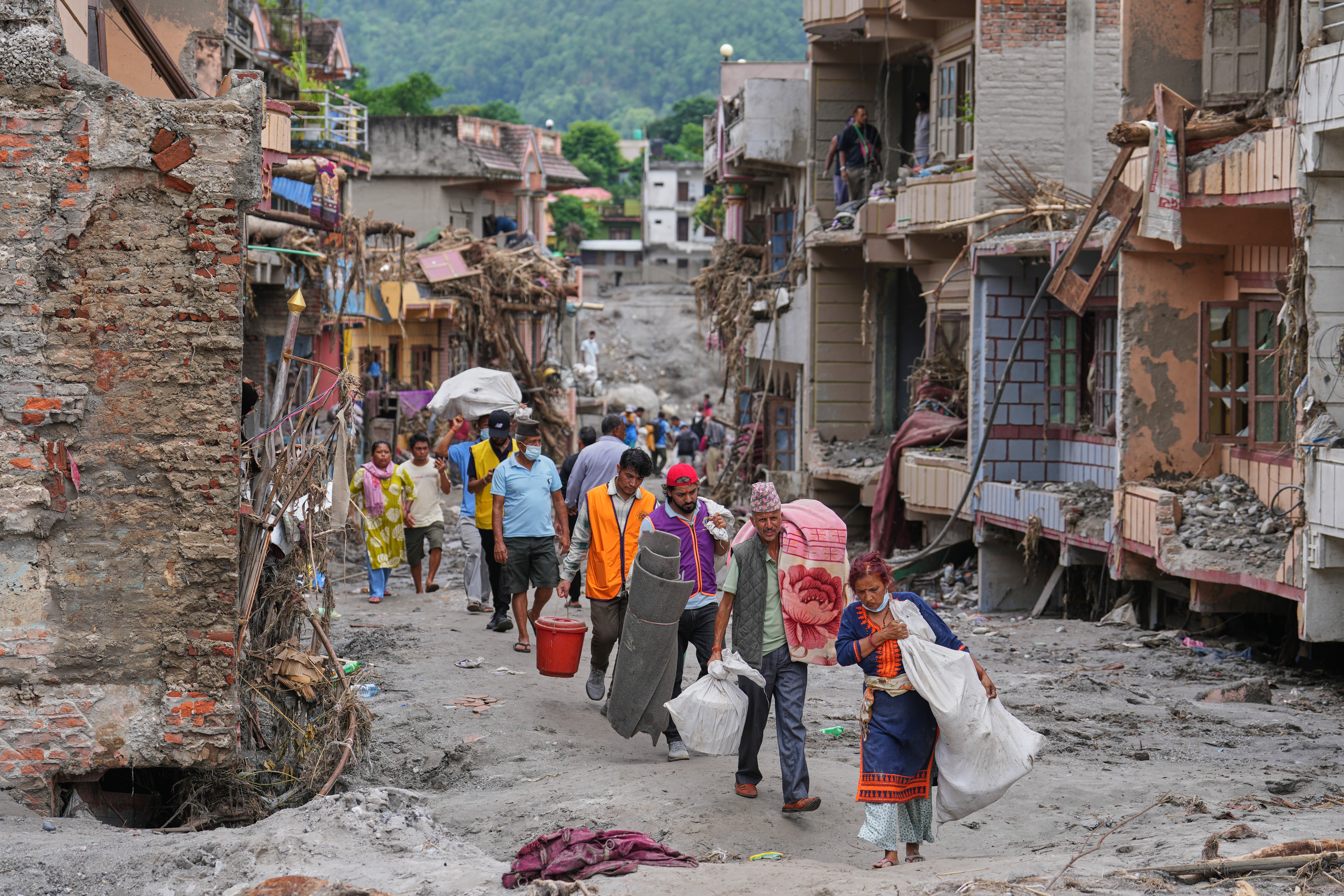
Singapore has committed to a comprehensive relief operation in Nepal following catastrophic flash floods that struck areas near the Nepal-China border, with Foreign Minister Dr Vivian Balakrishnan announcing the deployment during direct talks with Nepalese Foreign Minister Shisir Khanal. The city-state's response encompasses multiple dimensions of disaster assistance, reflecting both the scale of the humanitarian crisis and Singapore's established capacity in rapid international relief operations.
The cornerstone of Singapore's intervention involves sending specialist personnel from the Singapore Police Force trained in Disaster Victim Identification, a critical capability when mass casualties and widespread destruction complicate efforts to locate and identify the deceased. DVI expertise has become increasingly valuable in the region, as countries across Southeast Asia face mounting climate-related disasters. Nepal's specific request for these trained officers underscores the severity of the situation unfolding in affected areas, where flash floods and associated mudslides have rendered conventional identification methods inadequate.
Beyond technical expertise, Singapore will provide both civilian humanitarian supplies and military resources through the Singapore Armed Forces, though specific details regarding the composition of these shipments remain undisclosed. This dual-track approach allows for rapid deployment of emergency provisions through established military logistics channels while ensuring civilian-focused aid reaches affected populations. The SAF's involvement reflects how developed nations increasingly integrate defence capabilities into humanitarian response frameworks, enabling faster distribution networks and larger-scale operations.
The financial dimension of Singapore's assistance extends beyond immediate relief supplies. The government had already contributed US$100,000 (RM403,000) to the Singapore Red Cross' public fundraising campaign on Friday, demonstrating early commitment even before confirming personnel deployment. By Monday, the Singapore Red Cross had mobilised approximately S$1 million (RM3.16 million) through its appeal, indicating substantial public support within the island nation for Nepalese disaster victims.
For Malaysian readers, Singapore's rapid and structured response offers instructive lessons in disaster diplomacy and operational readiness. The deployment of a dedicated Crisis Response Team to Nepal since August 27—establishing a forward presence before comprehensive assistance packages were finalised—demonstrates how proactive positioning facilitates effective coordination with host governments. This team provides essential consular support to affected Singaporeans while simultaneously establishing channels for broader humanitarian operations.
The scale of the Nepal disaster has proven devastating: official authorities reported at least 919 deaths by Monday, six days after the initial floods, with nearly 4,800 individuals remaining unaccounted for, including 853 foreign nationals. These figures underscore the cross-border nature of modern disasters, where communities hosting migrant workers face compounded challenges in tracking vulnerable populations during crises. The significant number of missing foreigners suggests that many victims may hail from surrounding nations, potentially including workers from other Southeast Asian countries.
Singapore's coordinated approach—combining technical expertise, material resources, financial contributions, and on-ground diplomatic presence—reflects evolving international standards for humanitarian response in Asia. Unlike ad-hoc assistance models, this integrated framework ensures complementary rather than duplicative efforts and maximises the probability of reaching vulnerable populations effectively. The coordination with Nepal's government throughout planning phases demonstrates how bilateral relationships facilitate smoother aid delivery.
For regional observers, Singapore's response carries implications beyond immediate relief. As a developed Southeast Asian economy with sophisticated disaster management infrastructure, Singapore's willingness to mobilise expertise and resources for Nepal strengthens broader mechanisms for intra-Asian humanitarian cooperation. Climate change is intensifying rainfall patterns across the region, increasing the likelihood of similar disasters in downstream areas throughout the Himalayan region and beyond.
The integration of civilian and military resources also highlights how modern disaster response transcends traditional distinctions between defence and humanitarian sectors. Singapore's SAF supplies alongside civilian aid suggest a pragmatic approach recognising that established military logistics networks can rapidly transport and distribute relief materials more efficiently than civilian channels alone, particularly in mountainous terrain affected by infrastructure damage.
Looking ahead, Singapore has committed to sustained engagement with Nepal's government on humanitarian assistance provision, suggesting that initial relief deployment represents the beginning rather than conclusion of support efforts. Recovery from disasters of this magnitude typically requires months of sustained assistance as communities address displaced persons, reconstruction needs, disease prevention, and economic restoration. This long-term commitment orientation distinguishes comprehensive disaster response from symbolic gestures.
For Malaysian stakeholders monitoring the Nepal crisis, Singapore's response architecture offers frameworks potentially applicable to domestic disaster management and regional cooperation mechanisms. The emphasis on pre-positioned expertise, rapid decision-making, public-private coordination through mechanisms like the Red Cross, and sustained government engagement provides a model for enhancing Southeast Asia's collective capacity to respond to climate-driven humanitarian emergencies that increasingly transcend national boundaries.

