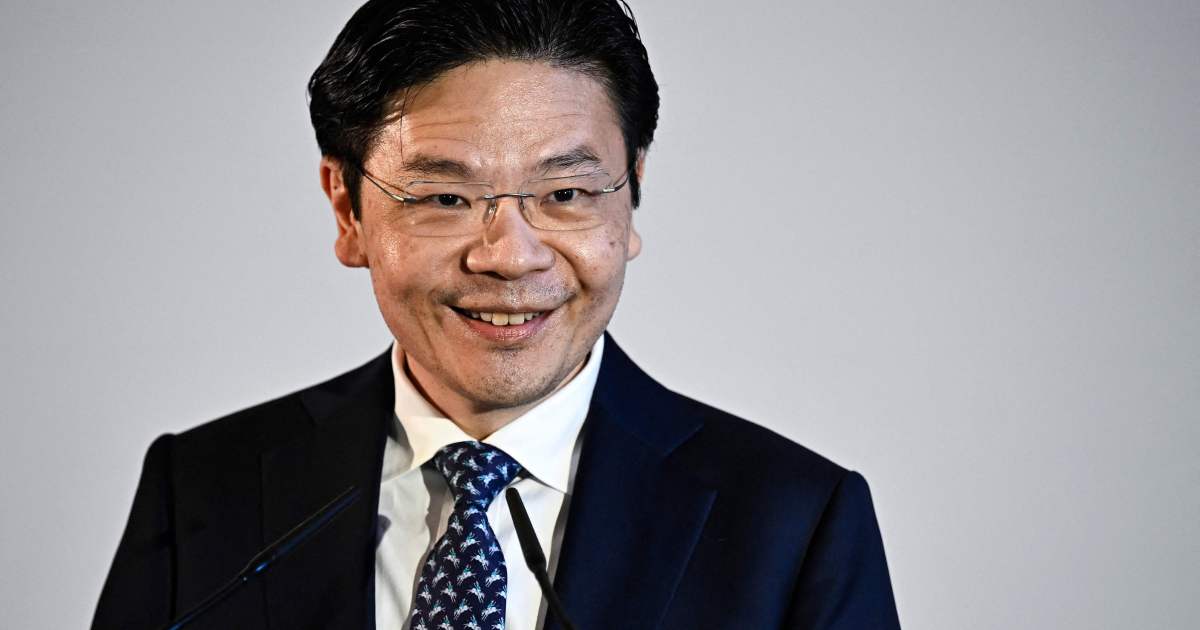
Prime Minister Lawrence Wong unveiled a significant restructuring of Singapore's Cabinet on Wednesday, introducing new political appointments and reassigning senior officials in a move that reflects the government's ongoing transition at the highest levels. The announcement comes in response to recent resignations among prominent political figures, marking a pivotal moment as Wong consolidates his administration following his assumption of the premiership.
The leadership changes underscore Singapore's established practice of orderly succession planning within its political system. By managing Cabinet positions strategically, Wong is positioning key personnel to address emerging policy priorities while maintaining continuity in governance. This measured approach to personnel shifts has long characterized Singapore's approach to executive transitions, distinguishing it from more volatile political environments across the region.
The reshuffle carries implications for Malaysia and other Southeast Asian nations watching Singapore's governance model. Singapore's ability to execute smooth leadership transitions without political turbulence demonstrates institutional resilience that regional observers frequently study. For Malaysian policymakers, Singapore's structured approach to Cabinet formation offers contrasts to more fluid domestic appointment practices, particularly regarding the balance between merit-based selection and political representation.
Within Singapore's political structure, Cabinet positions carry substantial responsibility for economic policy, defence, social development, and international relations. The new appointments suggest Wong's administration is prioritizing certain sectors or approaches, though the specific policy emphases will become clearer as these officials assume their expanded roles. Such reshuffles typically signal an incoming government's strategic priorities and values.
The resignations that preceded this reshuffle reflect the inevitable churn within any political establishment, where senior figures may retire, pursue alternative opportunities, or step aside to facilitate generational renewal. Singapore's system accommodates such transitions while maintaining institutional memory through overlapping tenures and structured knowledge transfer. This contrasts with political systems experiencing sudden vacancies that create governance gaps.
Wong's positioning of new appointees suggests careful attention to both continuity and innovation within his administration. By bringing fresh voices into senior positions while retaining experienced hands, he balances the need for new perspectives with institutional experience. This equilibrium represents sophisticated political management, particularly important in a compact city-state where coordination among ministries and agencies demands seamless integration.
The Cabinet changes also reflect Singapore's engagement with evolving regional and global challenges. Personnel shifts often anticipate policy pivots toward emerging issues—whether economic restructuring, technological adaptation, security concerns, or social cohesion. Wong's appointments likely position his government to address transformative forces reshaping Southeast Asia, including digital disruption, geopolitical realignment, and demographic shifts affecting the entire region.
For Malaysian observers, Singapore's transparent announcement of Cabinet changes offers a case study in how developed city-states manage political transitions. While Malaysia and Singapore operate under different constitutional frameworks and political traditions, both nations navigate the complex interplay between meritocratic governance, political patronage, and institutional stability. Understanding Singapore's approaches informs broader regional discussions about effective governance structures.
The timing of this reshuffle, following Wong's earlier transition to the Prime Minister's office, completes an important phase in Singapore's political cycle. With Cabinet positions now aligned to his administration's direction, Wong gains the executive stability necessary to implement his government's agenda. The next phase will reveal whether these appointments successfully translate Wong's vision into policy outcomes, particularly regarding Singapore's economic competitiveness and regional standing.
The international dimension of these appointments warrants attention from Southeast Asian capitals. Singapore's Foreign Ministry, Defence Ministry, and Trade portfolios carry regional significance, influencing Singapore's bilateral relationships and ASEAN engagement. The individuals appointed to these positions will shape how Singapore navigates regional multilateralism, balancing relationships with major powers while maintaining its role as a bridge in Southeast Asia.
Looking forward, the success of Wong's Cabinet reshuffle will be measured not by the announcement itself but by how effectively these new appointees execute their mandates. Singapore's political culture emphasizes performance and delivery, meaning these officials face clear expectations regarding their ministries' contributions to national goals. This results-oriented approach to Cabinet appointments, requiring demonstrable competence and outcomes, distinguishes Singapore's governance model from systems more focused on symbolic representation.
The reshuffle also signals Wong's confidence in his coalition's stability and direction. By reshaping his Cabinet comprehensively rather than making marginal adjustments, he indicates decisive leadership and a clear vision for where he wants his administration to focus energy. This confidence-building exercise matters for both domestic constituencies and international partners assessing Singapore's governance stability and policy direction in an increasingly uncertain regional environment.

