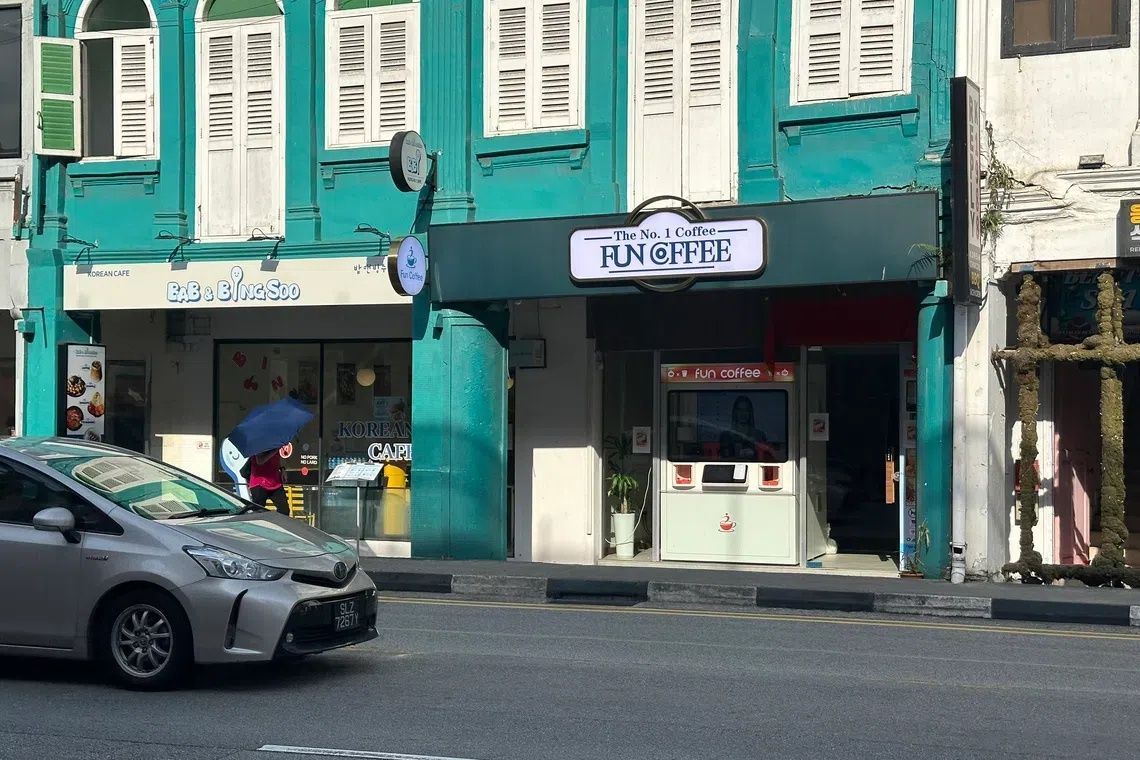
Singapore's police force has moved against a major cryptocurrency-based investment operation, arresting a 49-year-old woman on August 6 in connection with the Fun Coffee platform. The arrest marks an escalation in law enforcement action across the Asia-Pacific region targeting what authorities describe as a sophisticated multilevel marketing scheme disguised as a lifestyle venture.
According to police statements released on August 8, the woman had actively marketed the Fun Coffee investment scheme to prospective participants and worked to bring new recruits into the operation. This recruitment-focused model mirrors the structure of classic pyramid schemes, where income for participants depends heavily on bringing in new members rather than genuine product sales or legitimate returns.
Participants in the scheme faced a straightforward process: download a mobile application, then transfer Tether (USDT), a cryptocurrency pegged to the US dollar, into designated wallet addresses accessible through the app interface. The simplicity of entry combined with promises of extraordinary financial gains created a potent draw for retail investors seeking high returns in the uncertain cryptocurrency market.
Police highlighted the unrealistic nature of the returns being promised, coupled with additional commission structures that incentivised recruiting further participants. This layered incentive system forms the foundation of multilevel marketing operations, which exploit social networks and personal relationships to distribute both the product and financial benefits concentrated at the top. The regulatory concern intensified when participants discovered they could not withdraw their deposited funds through the Fun Coffee application, effectively trapping investor capital.
The woman was arrested under the Multi-Level Marketing and Pyramid Selling (Prohibition) Act, Singapore's primary legal instrument for combating such schemes. If prosecuted and found guilty, she faces up to five years imprisonment, a financial penalty reaching S$200,000, or both sanctions combined. This substantial sentencing framework reflects Singapore's determination to prosecute those operating or promoting illegal investment structures.
Fun Coffee, officially based in Phu Quoc, Vietnam, presents itself as a substantial operation, claiming documented assets exceeding US$1 billion and a team comprising more than 5,000 members globally. This veneer of legitimacy and scale lends credibility to marketing pitches and helps attract investors who may conduct only superficial due diligence. The Singapore address at 202 Jalan Besar features a coffee vending machine, providing a tangible presence that reinforces claims the organisation is a genuine commercial entity rather than a pure investment scam.
The enforcement action in Singapore is part of a coordinated regional response. Authorities in Hong Kong and Macau have arrested eight individuals linked to the same scheme within a single week. Those two jurisdictions have documented approximately 200 affected victims who collectively lost nearly HK$100 million (approximately S$16.3 million), indicating the substantial scale of the operation's reach and impact across the Greater China region.
One Singapore victim reported investing approximately S$400,000 into Fun Coffee, with complete loss of access to those funds. This case exemplifies the devastating personal financial impact such schemes generate, particularly when they target retail investors with limited cryptocurrency knowledge who may be drawn to promises of passive income or wealth accumulation in an era of low traditional interest rates.
The organisation's official website describes Fun Coffee as a "lifestyle brand combining coffee, wellness and digital innovation into a community experience," language carefully constructed to suggest a legitimate consumer-focused business rather than a financial vehicle. This branding strategy represents a deliberate attempt to obscure the investment scheme's true nature and appeal to consumers seeking lifestyle products and community belonging rather than purely financial motivations.
Fun Coffee's entry into the Singapore market occurred sometime during 2025, suggesting relatively recent expansion into this jurisdiction. The timing of the arrests may indicate that regulatory authorities detected the operation's activities relatively quickly and mobilised enforcement resources before the scheme achieved deeper market penetration.
Singapore's police have issued explicit warnings to the public against making further payments or transfers to Fun Coffee, even when solicited by individuals claiming official representation or through direct requests via the app itself. A particular red flag identified by authorities involves payment requests routed through private PayNow QR codes, personal mobile numbers, or overseas-based accounts—methods that provide anonymity and complicate fund recovery compared to regulated financial channels.
For Malaysian investors and residents, this development carries particular relevance given geographical proximity, shared regional financial networks, and the frequency with which cross-border investment schemes target multiple Southeast Asian markets simultaneously. The Fun Coffee case demonstrates how cryptocurrency-based operations can rapidly scale across borders while maintaining minimal physical infrastructure, exploiting regulatory gaps and differing enforcement capabilities across jurisdictions. Regional coordination between authorities becomes essential to disrupt such networks before they achieve significant market penetration.

