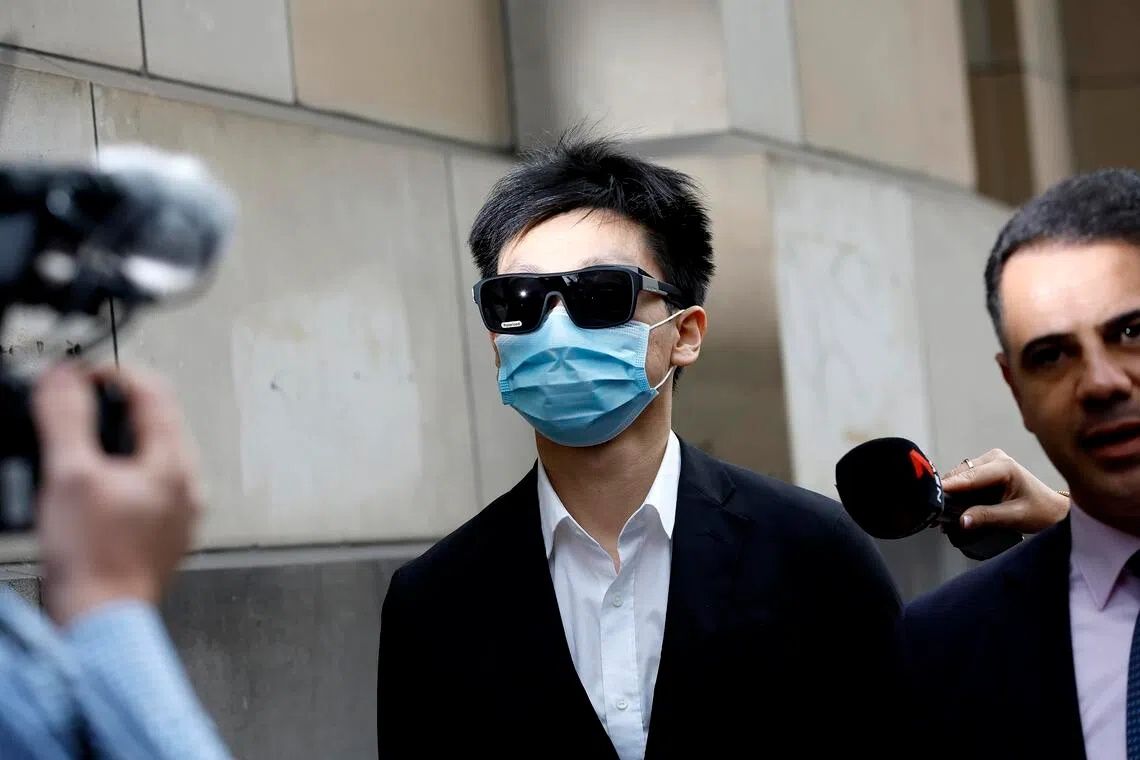
A 28-year-old trainee doctor from Singapore has admitted in court to one of Australia's most extensive cases of workplace surveillance, having secretly recorded hundreds of colleagues in intimate settings across three major Melbourne hospitals. Ryan Cho appeared before the Melbourne Magistrates Court on Thursday to plead guilty to 13 combined charges encompassing stalking, covert recording of private moments, and production of intimate images without consent. The case has sent shockwaves through Australian healthcare institutions and raised serious questions about workplace safety and duty of care in medical facilities.
Cho's criminal conduct spanned the period from 2021 to 2025, during which he worked at the Austin Hospital, Royal Melbourne Hospital, and the Peter MacCallum Cancer Centre whilst completing his medical training at Monash University. Investigators discovered that he had amassed over 10,000 video and photographic files depicting more than 500 victims, predominantly women. The scale of the violation became apparent only after staff at the Austin Hospital discovered a mobile phone concealed in a mesh bag within a staff toilet facility. This discovery triggered a comprehensive police investigation that ultimately led to the seizure of multiple electronic devices from Cho's residence, including a laptop, hard drive, and mobile phone, which contained approximately 4,500 videos alongside thousands of still images.
Initially, Victorian police charged Cho with 910 separate offences following the examination of his devices. However, the prosecution and defence agreed to consolidate these charges into 13 counts, a legal procedure known as "rolling up" that allows the court to manage the proceedings more efficiently whilst maintaining the severity of the conduct. During the hearing, which lasted less than half an hour, Magistrate Michelle Mykytowycz confirmed she was satisfied that sufficient evidence existed for a jury to convict on all charges. When asked to enter his plea, Cho responded with a single word: "Guilty."
The discovery of Cho's activities came during a period when his professional standing was already under scrutiny. Australian health regulators had suspended his medical registration in 2025, effectively ending his prospects of practising medicine in the country. Cho had been arrested in July 2025 after the hospital discovery, and his bail of A$50,000 has been guaranteed by his parents throughout the legal process. His parents, including his father Wilson Cho, a logistics manager from Singapore, have committed to residing in Melbourne during the proceedings to ensure their son complies with stringent bail conditions.
The restrictions placed upon Cho are considerable and reflect the gravity of the offences. He must report to police three times weekly and has surrendered his passport to authorities. He is prohibited from contacting any witnesses or potential witnesses, cannot attend any hospital facility except in genuine emergencies without prior police approval, and has been stripped of access to any photographic or video recording devices outside his home. Additionally, he has been ordered to undergo appropriate medical treatment, a requirement his legal representation acknowledges as necessary given the psychological complexities underlying his behaviour.
Chο arrived in Australia in 2017 and was granted permanent residency in April 2025, just months before his arrest. His legal team, led by barrister Julian McMahon, has characterised him as a "complicated young professional man" with significant underlying psychological issues that almost certainly require professional intervention and treatment. Notably, Cho had no prior criminal record before these offences came to light, suggesting that the behaviour represented a departure from his earlier conduct rather than part of an established pattern.
The human and institutional dimensions of this case extend well beyond Cho's individual culpability. Around 100 victims, predominantly women, have lodged formal complaints with the Australian Human Rights Commission against the three hospitals involved, alleging sexual harassment and discrimination in the workplace. These complaints reflect broader concerns about institutional failures in protecting employees from predatory behaviour and creating adequately safe work environments. The hospitals' responsibility for ensuring staff security whilst undertaking intimate personal care responsibilities has come under intense scrutiny from affected workers and their legal representatives.
Tony Carbone, managing partner at Carbone Lawyers, which is representing victims in the human rights complaint process, anticipates that additional hospital employees will join the collective action against the three institutions. This expansion suggests that the psychological and professional harm experienced by victims extends across a wider cohort than initially apparent, and that the case may precipitate broader institutional reforms regarding surveillance prevention, staff welfare, and accountability mechanisms in Australian healthcare settings.
Chο's sentencing hearing is scheduled to commence on November 23 and will extend over three days at Melbourne's County Court. The hearing will incorporate impact statements from victims, allowing the court to comprehend the psychological, professional, and personal consequences of his conduct. Victim impact testimony has become increasingly central to sentencing considerations in Australian law, ensuring that those harmed by criminal conduct have an opportunity to communicate their experiences directly to the court. The anticipated severity of any sentence will likely reflect both the scale of the violations and the vulnerability of the victims, who were entitled to reasonable expectations of privacy and safety in workplace facilities.
For Malaysia and the broader Southeast Asian region, this case underscores the vulnerability of regional professionals working internationally and the importance of institutional accountability in foreign workplaces. The case also highlights how digital technology has created new vectors for exploitation and violation of privacy, challenges that extend across international borders and require coordinated responses from healthcare regulators, law enforcement agencies, and institutional governance bodies. Australian authorities' thorough investigation and prosecution demonstrate one nation's commitment to protecting workers regardless of their national origin, setting a standard that other jurisdictions may be encouraged to emulate in their own workplace safety frameworks.

