Singapore's Prime Minister Lawrence Wong has reached out directly to Indonesian President Prabowo Subianto to convey sympathy and support following a catastrophic earthquake that struck off the coast of Flores in Indonesia's eastern region on Saturday. The tremor, which measured 7.7 on the magnitude scale, unleashed one of the deadliest seismic events in the region in recent months, prompting immediate expressions of solidarity from Southeast Asian neighbours concerned about the humanitarian toll and recovery challenges facing the archipelago.
The death toll from the Flores earthquake has reached more than 50 people, with Indonesian authorities confirming that at least 135 others sustained injuries in the immediate aftermath. Beyond the human cost, the physical destruction has been extensive, with hundreds of residential and commercial structures severely damaged or rendered uninhabitable. The scale of destruction underscores the vulnerability of communities built in tectonically active zones, a reality that resonates across Southeast Asia where multiple countries face similar seismic risks.
The initial tremor was swiftly followed by a second major earthquake measuring 6.1 in magnitude off the northern coast of Sumatra, striking mere hours after the Flores quake. Fortunately, preliminary reports indicated no casualties from this secondary event, though such rapid consecutive earthquakes compound the psychological trauma and logistical challenges for emergency responders already stretched thin managing the primary disaster.
In a public statement shared on Facebook on Sunday, PM Wong articulated Singapore's position of solidarity with the Indonesian people and government, emphasizing that the city-state stands ready to support its regional partner during this critical period. His message, released on behalf of the Singapore Government, extended formal condolences to bereaved families and individuals whose lives have been upended by the natural disaster. The statement reflected the diplomatic protocols governing intra-regional responses to major humanitarian crises, establishing that Singapore recognizes both its geographical proximity and shared regional interests in disaster resilience.
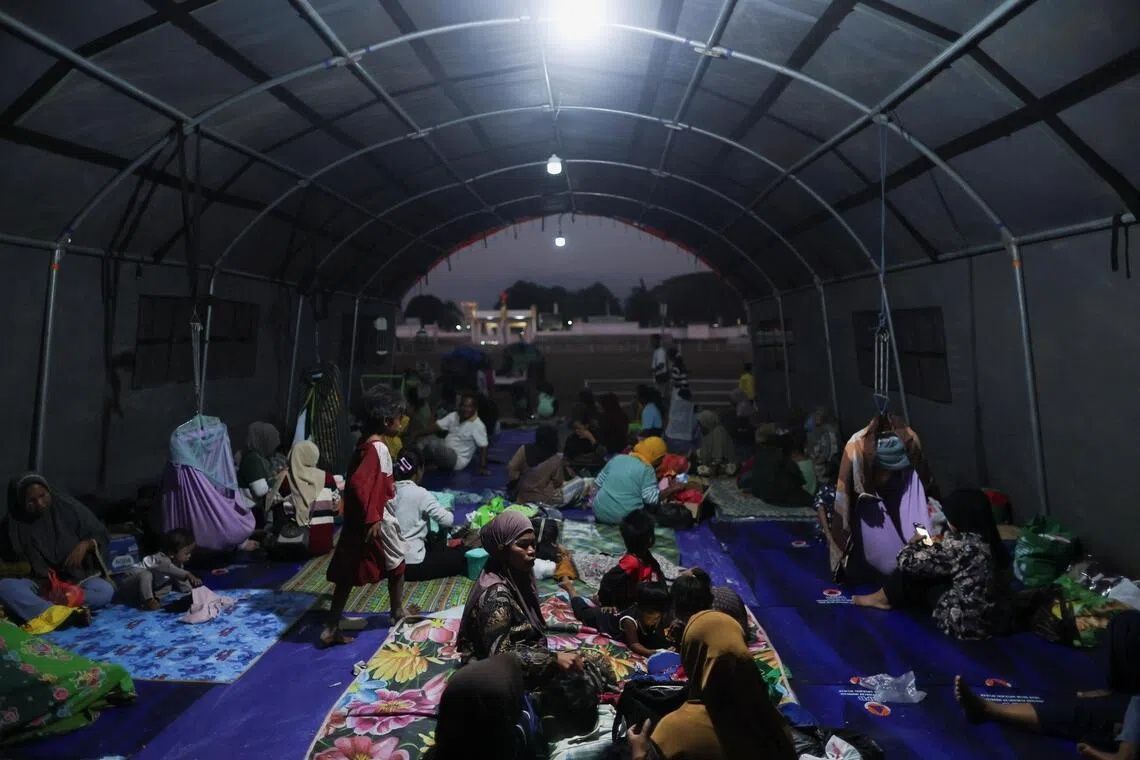
The earthquake struck the Flores area in the pre-dawn hours of August 15, triggering a mass exodus from vulnerable communities. Approximately 5,000 residents fled their homes seeking safety, recognizing the inherent dangers posed by aftershock sequences in the immediate recovery period. Indonesian national disaster officials documented an astonishing cascade of nearly 1,000 aftershocks in the hours following the initial quake, creating an environment of persistent danger that inhibited rescue operations and deterred displaced persons from returning to their residences to retrieve essential belongings.
The aftermath has created an urgent humanitarian situation requiring immediate and coordinated international support. Rescue officials operating on the ground have identified critical shortages of essential supplies, with survivor populations desperately needing emergency tents to provide shelter for those whose homes have been destroyed or rendered unsafe for habitation. Beyond shelter, the displaced require food provisions, medical supplies to treat injuries and prevent disease outbreaks, potable water for drinking and sanitation purposes, and electricity generators to restore power to affected communities and support emergency response infrastructure.
This disaster carries particular significance for Southeast Asian nations, as it illustrates the region's vulnerability to seismic activity and underscores the importance of strengthening disaster preparedness and regional cooperation mechanisms. Indonesia, positioned along the Pacific Ring of Fire, experiences frequent earthquake activity, and the Flores region has historically been affected by significant seismic events. The concentration of population in vulnerable areas and the limited resources available for rapid disaster response remain persistent challenges that require sustained international attention and capacity-building support.
For Malaysia and other regional neighbours, the Flores earthquake serves as a sobering reminder of the need for robust early warning systems, comprehensive evacuation protocols, and pre-positioned humanitarian supplies that can be rapidly deployed when disaster strikes. Regional organizations and bilateral partnerships play critical roles in facilitating rapid information sharing, coordinating rescue efforts, and mobilizing aid resources that transcend national borders. Singapore's formal expression of support signals the regional consensus that natural disasters affecting any member of the Southeast Asian community warrant collective concern and coordinated response.
The recovery process in Flores will likely extend over weeks and months, requiring sustained commitment from both Indonesian authorities and the international community. Beyond the immediate emergency relief phase, rebuilding efforts will demand resources for reconstruction of housing, restoration of critical infrastructure, and psychosocial support for traumatized populations. The role of neighbouring states and international partners in providing technical expertise, financial assistance, and material aid will significantly influence the speed and quality of recovery, determining whether affected communities can rebuild their lives and restore economic functionality.

