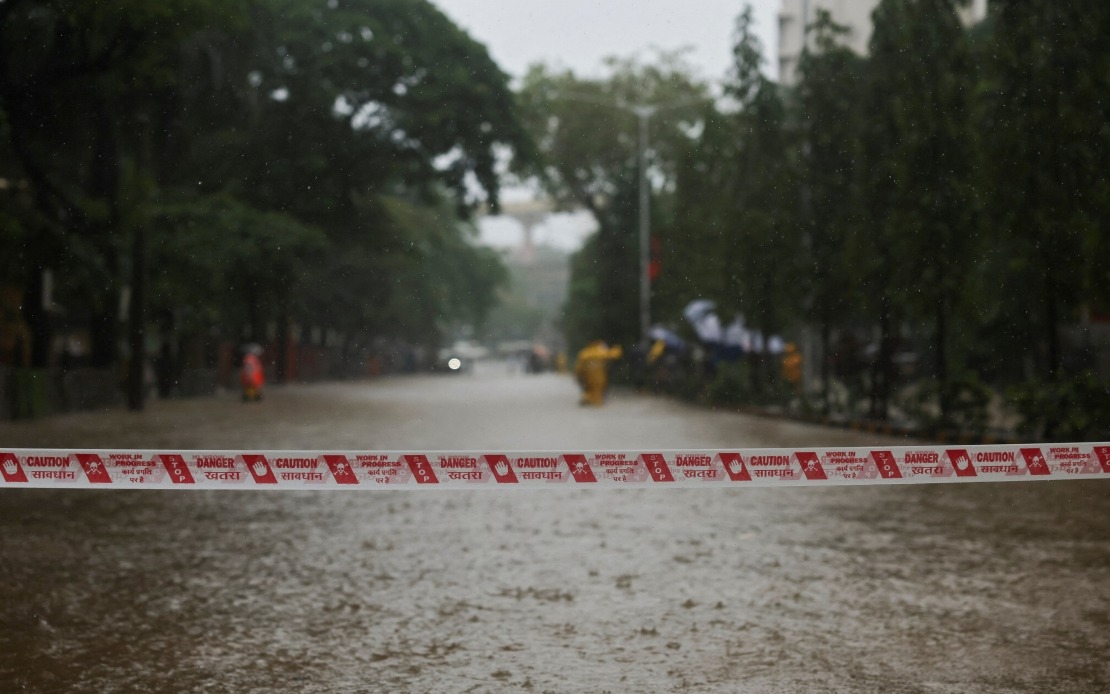
India's financial hub Mumbai was struck by tragedy when monsoon rains of unusual intensity caused a multi-story building to crumble in the Mankhurd area on Sunday, killing six people and leaving one more injured. The disaster underscores the vulnerability of urban infrastructure across South Asia during the intense rainy season, a concern that resonates particularly with Malaysia and other regional nations facing similar climate patterns and rapid urbanisation challenges.
According to Girish Mahajan, a senior Maharashtra BJP leader serving as State Minister, the collapse has prompted immediate official scrutiny into how the structure was authorised and constructed. Such inquiries are commonplace following building failures in India, yet they often reveal systemic gaps in enforcement of safety codes and inspection protocols. The investigation will likely examine whether the building met contemporary construction standards and whether proper oversight mechanisms were in place during its original development.
The incident occurred as a broader weather system pounded Mumbai, with downpours heavy enough to briefly disrupt operations at the city's Chhatrapati Shivaji Maharaj International Airport on the same day. Flight arrivals and departures experienced delays and cancellations as visibility dropped and runways were assessed for safety. Such disruptions highlight how extreme weather events can cascade through multiple sectors of the economy, affecting not just residential areas but also critical transportation infrastructure that underpins commerce and connectivity.
In response to the dangerous conditions, state authorities moved swiftly to declare a holiday for all educational institutions across affected areas, prioritising student safety over classroom schedules. This decision reflects growing recognition that monsoon hazards pose genuine risks to children commuting to and from schools, particularly in urban zones where drainage systems become overwhelmed and structural integrity of older buildings becomes questionable. Educational closures during severe weather events have become routine precautions in major Indian cities, mirroring approaches taken in Malaysia during dangerous monsoon periods.
Mumbai's exposure during monsoon season reflects broader South Asian vulnerability patterns. The Indian subcontinent experiences its southwest monsoon from June through September, delivering enormous volumes of precipitation that transform landscapes but also test the limits of infrastructure. These months consistently generate news of flooding, landslides, and structural collapses across India, Pakistan, and Bangladesh. For Malaysian observers, the Mumbai incident serves as a reminder of regional weather patterns and the importance of robust building codes and enforcement.
The structural failure in Mankhurd raises questions about urban planning and development standards in densely populated areas. Mumbai, like many rapidly expanding South Asian cities, has experienced enormous population growth over recent decades, often outpacing the infrastructure capacity to safely accommodate residents. Older buildings constructed under less stringent standards share space with newer developments, creating a patchwork of varying structural integrity. Heavy rains expose weaknesses in aging structures that may have degraded over years without proper maintenance or retrofitting.
The monsoon cycle itself has become increasingly unpredictable, with climate researchers noting shifts in rainfall intensity and distribution patterns. While the June-to-September framework remains generally accurate, individual storms can deliver rainfall volumes that exceed historical norms, placing additional stress on buildings and drainage systems designed according to older climatic datasets. This mismatch between historical design parameters and contemporary weather extremes is emerging as a critical vulnerability across the region.
For Malaysia, the Mumbai collapse offers important context regarding seasonal risk management. While Malaysia's monsoon patterns differ geographically from those affecting Mumbai, the underlying challenges of infrastructure resilience during extreme rainfall events remain universally relevant. Malaysian cities with aging building stocks, inadequate drainage systems, or poorly enforced construction standards face comparable risks. The incident underscores the necessity of periodic structural audits, particularly for residential buildings in densely populated areas.
The injured survivor's condition and ongoing rescue efforts, though not detailed in official statements, typically underscore the human dimension of such disasters. Families displaced by the collapse must navigate immediate concerns of shelter, documentation, and compensation claims alongside the trauma of losing neighbours and community members. Government response mechanisms in post-disaster situations often reveal the efficacy—or lack thereof—of social safety nets and disaster management protocols.
Looking forward, the investigation initiated by Maharashtra authorities will likely produce findings relevant to other Indian states and regional neighbours grappling with similar challenges. Recommendations emerging from such inquiries, if properly implemented, can inform building code revisions and enforcement strategies. However, the persistent pattern of building collapses during monsoon seasons across South Asia suggests that investigations alone are insufficient; sustained political commitment to upgrading inspection regimes, enforcing penalties for violations, and retrofitting vulnerable structures remains essential.
The broader monsoon season remains active, with weeks of potential heavy rainfall still ahead across the Indian subcontinent. Authorities nationwide have heightened vigilance, and vulnerable communities continue to face elevated risk. For Malaysian stakeholders monitoring regional developments, the incident reinforces the importance of proactive infrastructure assessment and adaptive management approaches that anticipate climate variability rather than merely reacting to disasters after they occur.

