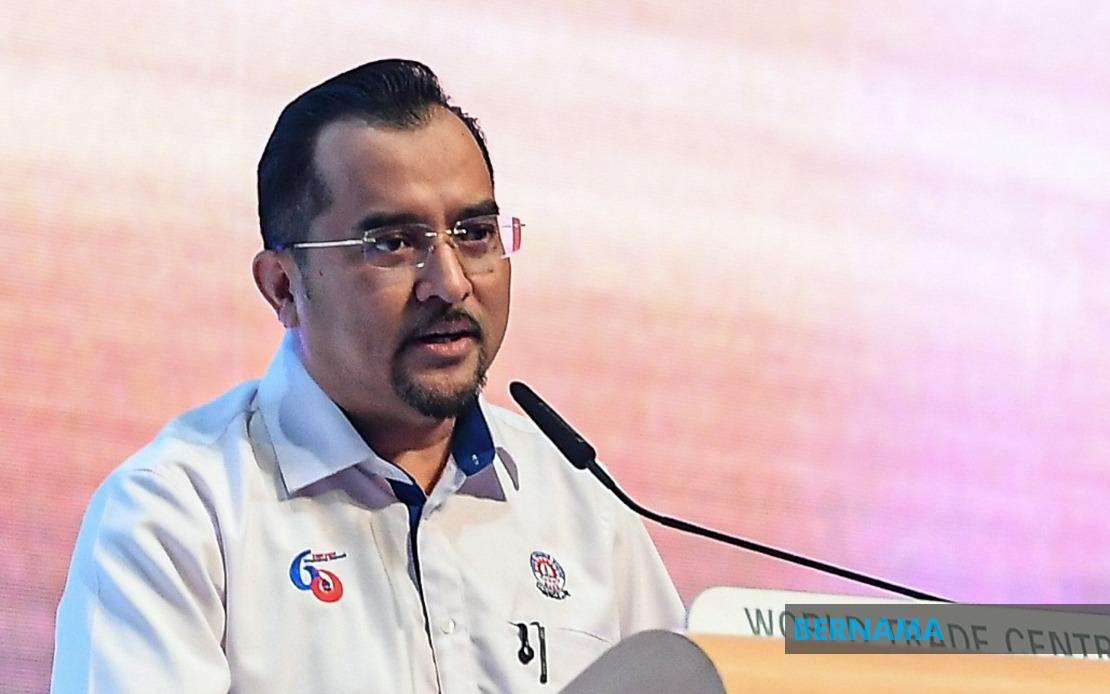
MARA is preparing to take its most severe disciplinary action against six Form Five students at a Johor campus of MARA Junior Science College (MRSM) after allegations that they bullied a fellow pupil emerged this week. MARA Chairman Datuk Asyraf Wajdi Dusuki confirmed that expulsion awaits any students proven guilty following a swift investigation, signalling the organisation's determination to stamp out the practice across its elite residential school network.
The severity of the response underscores growing public concern about bullying in Malaysia's boarding schools, particularly among high-achieving institutions. The incident gained traction after the victim's parents disclosed their ordeal on social media, revealing that their 14-year-old son had requested transfer from the prestigious college because he could no longer cope with the abuse he was enduring. This shift towards parents publicly airing grievances online reflects changing attitudes towards school safety and marks a departure from the traditional practice of resolving such matters behind closed doors.
Dusuki has directed MARA's Secondary Education Division and the MRSM administration to convene a College Disciplinary Committee meeting within 24 hours to conduct a thorough investigation. This compressed timeline demonstrates the urgency with which the organisation is treating the matter and suggests institutional pressure to resolve the case swiftly whilst maintaining public confidence in the school system. The six alleged perpetrators have already been remanded by police for two days to assist with investigations, indicating that law enforcement is pursuing the case in parallel with the school's internal processes.
The MARA chairman's language on the matter has been notably uncompromising. He invoked the organisation's stated motto of "YOU TOUCH, YOU GO," emphasising that physical contact or harassment of any kind will result in immediate and permanent removal from MRSM. This catchphrase, whilst straightforward, encapsulates a hardline stance that Dusuki claims to have consistently communicated to the broader MRSM community. For parents considering enrolling their children at MRSM institutions—particularly those concerned about residential school safety—this declaration offers assurance, though questions remain about how effectively such policies have been enforced in the past.
The timing of this incident and the institutional response reflect broader anxieties about bullying within Malaysia's education system. Residential colleges, whilst academically rigorous and sought-after, have occasionally been associated with hierarchical cultures where senior students exercise informal authority over juniors. The practice of older students "disciplining" younger cohorts through intimidation or physical means has persisted in some boarding environments, sometimes justified as tradition or character-building. Dusuki's explicit rejection of any such rationale signals that MARA intends to dismantle these cultural norms, though embedding such change requires sustained effort beyond public statements.
A critical component of the chairman's response involves protecting potential witnesses and encouraging reporting. He urged all MRSM students to come forward if they witness bullying, assuring them that disclosure to teachers, wardens, or administrators will be taken seriously. Simultaneously, he warned that any attempt to conceal bullying or shield perpetrators would result in institutional consequences. This carrot-and-stick approach aims to create an environment where reporting bullying becomes the norm rather than an act of social transgression, a cultural shift that takes time to achieve in closed residential communities where peer loyalty traditionally outweighs external authority.
The victim's family's decision to escalate the matter through public channels and lodge a police report marks a significant moment in how Malaysian society approaches school safety. Rather than accepting that bullying is an inevitable part of residential education, the parents demanded accountability and transparency. This approach has parallels to growing movements in other Southeast Asian countries where parents increasingly challenge institutional cultures that tolerate abuse. For Malaysian schools, the precedent set by this case—and the institutional response—will likely influence how similar incidents are handled in future and what expectations parents hold regarding duty of care.
The investigation process itself will be closely watched by education stakeholders across the country. The disciplinary committee's findings will establish whether the allegations constitute bullying, the extent of harm caused, and what factors contributed to the incident. Understanding these details matters not only for the students involved but for broader systemic assessment of how MRSM colleges manage student welfare and what preventive measures might be strengthened. Parents of current and prospective MRSM students will scrutinise the outcome to evaluate whether institutional safeguarding mechanisms function effectively.
Implementing genuine zero-tolerance policies proves far more complex than announcing them. MARA faces the challenge of ensuring consistent application across multiple MRSM campuses nationwide, training staff to identify subtle forms of bullying beyond obvious physical incidents, and creating reporting structures that are genuinely accessible to vulnerable students. The chairman's firm stance provides a policy foundation, but sustainability depends on whether resource allocation, staff training, and cultural transformation follow through. Other Malaysian boarding schools will likely monitor how rigorously MARA executes its stated commitments.
The case also raises questions about the pastoral care systems within high-pressure academic environments. MRSM colleges, whilst selective and academically excellent, enrol students during adolescence—a developmentally sensitive period. Creating spaces where students feel safe reporting distress requires building trust between pupils and institutional staff, something that cannot be legislated but must be cultivated. The victim's parents' experience suggests that either warning signals were missed or that their son felt unable to report concerns through official channels, pointing to potential gaps in welfare oversight that merit examination.
Looking ahead, the aftermath of this incident will likely trigger wider conversations within MARA and the broader Malaysian education sector about best practices in residential student safety. Whether prompted by this case or as part of planned institutional development, reviewing bullying prevention frameworks, enhancing staff training, and strengthening reporting mechanisms would signal genuine commitment beyond the expulsion threshold. For the wider Malaysian community, this incident demonstrates that even in elite institutions with rigorous academic standards, safeguarding student wellbeing remains an ongoing challenge requiring constant vigilance and systemic improvement.

