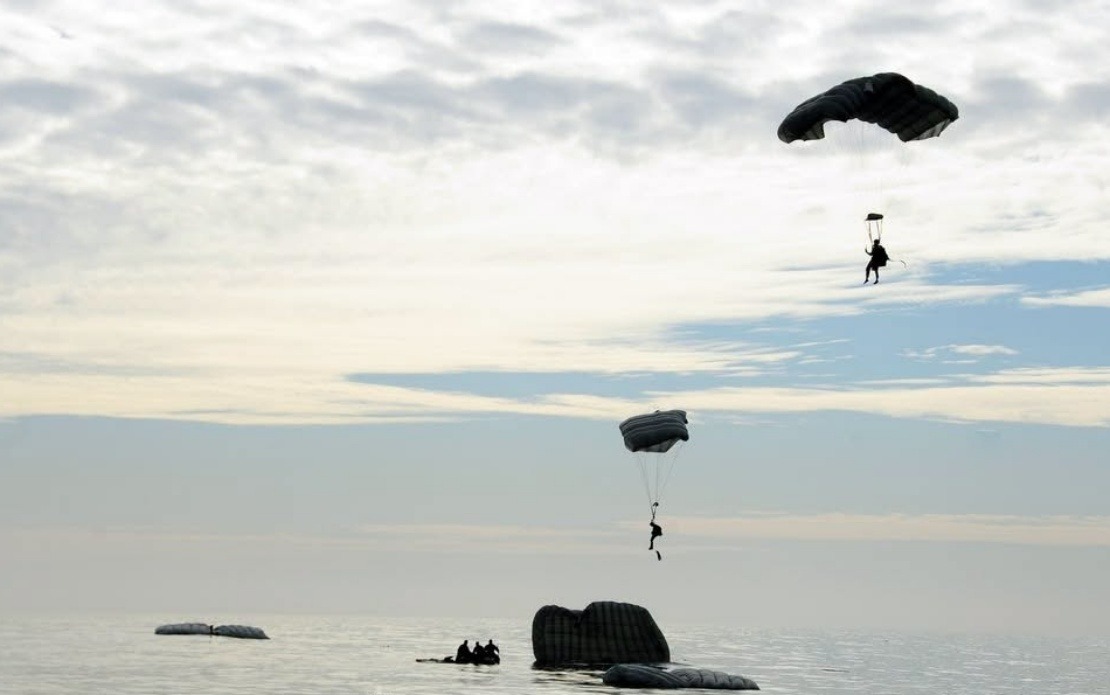
Six personnel from the Royal Malaysian Navy's elite Naval Special Warfare Forces, known as PASKAL, have been safely recovered after an unexpected incident during a free-fall parachuting exercise in the South China Sea. The commandos had drifted from their intended landing zone when sudden weather deterioration compromised visibility during the operation, but swift response protocols ensured all six were located and picked up by an RMN vessel before facing serious danger.
The recovery highlighted the robust safety measures embedded within Malaysia's special operations training regime. While the incident itself represented an operational mishap, the Navy's ability to swiftly locate and extract the personnel in open water underscores the coordination and preparedness that underpins PASKAL's activities. The exercise, which took place in waters falling under Malaysian jurisdiction, demonstrates the continuous operational tempo that the nation maintains to preserve maritime security across the strategic South China Sea region.
According to an official Navy statement, atmospheric conditions shifted unexpectedly during the jump operation, reducing the visibility that the parachutists required to execute a precision landing at their designated site. Rather than treating this as a failure of training or planning, the RMN framed the incident as validation of the rigorous preparation that PASKAL personnel undergo. The ability of operatives to remain calm, activate survival protocols, and maintain cohesion while awaiting rescue reflects the psychological and physical conditioning that distinguishes Malaysia's special forces from conventional naval units.
PASKAL, which operates under the motto "Sentiasa yang Terbaik" meaning "Always the Best," is recognised throughout Southeast Asia as a highly professional and capable maritime special operations force. The unit specialises in underwater demolition, hostage rescue, direct action raids, and maritime counter-terrorism missions. Their training regimen is deliberately designed to push personnel beyond conventional military standards, incorporating complex scenarios that demand rapid decision-making under extreme stress. This incident, while unplanned, provided precisely the type of real-world adversity that such training aims to prepare troops for.
The rescue operation itself reflected the integrated nature of modern naval operations. The RMN vessel that recovered the drifting personnel was presumably positioned within reasonable proximity to the exercise zone as part of standard safety protocols. This positioning, combined with likely search and rescue assets already on heightened alert during the parachute operation, created the conditions necessary for a rapid response. In maritime environments, particularly in the South China Sea where distances can be vast and conditions unpredictable, the presence of dedicated recovery assets is essential when unconventional training activities occur.
Weather patterns across the South China Sea during the monsoon seasons present particular challenges for maritime operations and training exercises. The sudden atmospheric shifts that affected this parachute jump are not uncommon in the region, where tropical systems can develop and intensify with limited warning. Military planners conducting operations in these waters must therefore balance the imperative to train under realistic conditions with the responsibility to ensure personnel safety. The incident underscores why Malaysian forces invest heavily in weather monitoring, satellite communications, and responsive extraction capabilities.
The Navy's official characterisation of the event as evidence of training effectiveness rather than as an embarrassing mishap reveals confidence in PASKAL's capabilities and a mature approach to understanding how elite units develop resilience. In military culture, the distinction between a training accident and a learning opportunity often depends on whether personnel respond correctly when circumstances deteriorate. The fact that all six commandos were recovered safely, without requiring emergency medical intervention beyond standard observation, suggests they executed fundamental survival and signalling procedures accurately while awaiting pickup.
For Malaysia's defence establishment, the incident also carries implications for broader maritime strategy in a region where naval power projection remains contested. The South China Sea, through which nearly a third of global maritime commerce passes, remains an area of intense geopolitical interest. By maintaining an elite maritime special operations capability like PASKAL at a high state of training readiness, Malaysia preserves options for responding to contingencies ranging from piracy and terrorism to more conventional security challenges. The training tempo visible in regular exercise cycles, despite occasional incidents, demonstrates commitment to that operational capability.
The RMN's statement emphasised that personnel safety remains a co-equal priority alongside combat readiness and national sovereignty protection. This framing acknowledges the sometimes-competing demands faced by military leaders: the need to train realistically and intensively while ensuring that training does not routinely expose personnel to unacceptable risk. The recovery of all six personnel without injury suggests that institutional procedures worked as intended when the exercise deviated from its planned course. Going forward, the incident will likely inform adjustments to visibility protocols, weather monitoring thresholds, or positioning of safety assets during similar operations.
Regionally, PASKAL's continued professionalisation and training intensity reflect Malaysia's determination to maintain a credible special operations capability alongside more conventional naval forces. Neighbouring countries including Singapore, Thailand, and Indonesia operate comparable units, creating a competitive environment where operational standards and training sophistication matter considerably. The willingness to acknowledge incidents publicly, while emphasising institutional learning and safety protocols, also contributes to the international professional reputation that Malaysian military forces cultivate within defence establishments across Southeast Asia and beyond.

