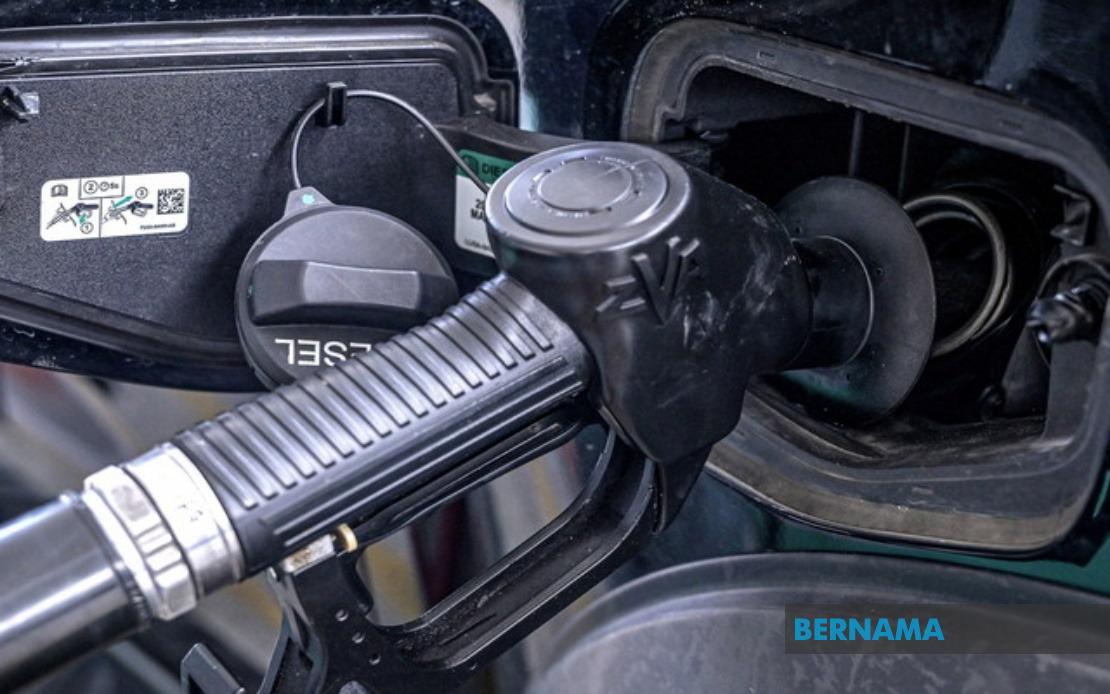
Malaysia's Subsidised Diesel Control System (SKDS) has begun accepting applications from business operators seeking diesel cost relief on company-owned vehicles, Domestic Trade and Cost of Living Minister Datuk Armizan Mohd Ali announced on Wednesday. The expansion represents an effort to cushion operational expenses for smaller enterprises reliant on private transport for their commercial activities, particularly in the competitive land transport sector where fuel represents a significant overhead.
Successful applicants will gain access to subsidised diesel pricing from July 15, contingent upon approval by relevant authorities and the issuance of a fleet card. The timeline suggests the government has streamlined its vetting process to enable rapid distribution once applications are processed. This represents the third major expansion of the SKDS scheme, which previously extended eligibility to public land transport operators and consumer goods transport businesses.
To participate, vehicle owners must meet specific registration criteria established by the Road Transport Department. Applicants must register their vehicles under the Company Private Use class code (AE designation) within the JPJ's MySikap system. This classification distinguishes business vehicles from personal transport, ensuring subsidy allocation reaches intended beneficiaries rather than being exploited for private use.
The scheme targets businesses structured as sole proprietorships or partnerships, effectively excluding larger incorporated companies from the programme. Registration with the Companies Commission of Malaysia (SSM) or relevant local authorities in Sabah and Sarawak serves as verification of legitimate business operations. This approach reflects a deliberate government policy to prioritise assistance toward Malaysia's microbusiness sector, which often operates with tighter margins than larger corporate entities.
The emphasis on sole proprietorships and partnerships reflects recognition that these business structures constitute the backbone of Malaysia's small and medium enterprise ecosystem. These operators frequently invest their personal resources into vehicle ownership to support business operations, making fuel costs a direct impact on household income. By targeting this demographic, the government aims to maintain business viability during periods of commodity price volatility.
Vehicle categories covered under this expansion include jeeps and pickup trucks, both commonly utilised across Malaysia's diverse economic sectors. From agricultural marketing to construction material transport and service delivery across rural regions, these vehicles serve essential commercial functions in communities where more sophisticated logistics infrastructure remains underdeveloped. The inclusion of these categories suggests recognition of their outsized importance to regional economic activity.
Applications are processed through the MySubsidi portal, centralising the application process and reducing administrative burden on individual applicants. This digital approach aligns with Malaysia's broader digital transformation agenda while enabling government agencies to track applications systematically and manage subsidy disbursement more efficiently. Business operators are encouraged to lodge applications at the earliest opportunity, as processing queues typically extend when application periods are announced.
The subsidy scheme operates within Malaysia's broader cost-of-living support framework, alongside price controls and direct cash transfers. By targeting transport sector fuel costs specifically, policymakers acknowledge that energy expenses disproportionately affect businesses dependent on mobility. The escalating focus on targeted rather than universal subsidies reflects fiscal constraints and a shift toward supporting economically vulnerable segments rather than broad population coverage.
Southeast Asian context suggests this approach mirrors regional trends. Neighbouring countries including Indonesia and Thailand have similarly implemented sector-specific subsidy schemes to protect vulnerable business groups. As global fuel prices remain unpredictable, governments across the region have shifted from blanket price controls toward more surgical interventions designed to prevent economic dislocation in critical sectors while managing budget impacts.
For Malaysian small business operators, the expanded SKDS programme presents a tangible reduction in operational costs, potentially translating to improved profitability or lower service charges for customers. However, the registration requirements and documentation standards may present obstacles for informal operators who lack formal business registration. Administrative uptake will therefore depend partly on outreach efforts to ensure eligible businesses understand and can navigate application procedures.
The July 15 activation date provides approximately two weeks for applications to be processed and fleet cards distributed. This accelerated timeline compared to previous subsidy programme rollouts suggests government confidence in its administrative systems. However, given widespread experience with Malaysian government portals, applicants should anticipate potential technical issues and submit applications well before any informal deadline.
The scheme represents an intermediate approach between comprehensive fuel subsidies and market-rate pricing. By maintaining support for specific transport-dependent sectors while avoiding universal price controls, Malaysia attempts to balance fiscal sustainability with economic stability. As other sectors inevitably seek similar support, the government will face pressure to expand or maintain subsidies even if broader economic conditions deteriorate.

