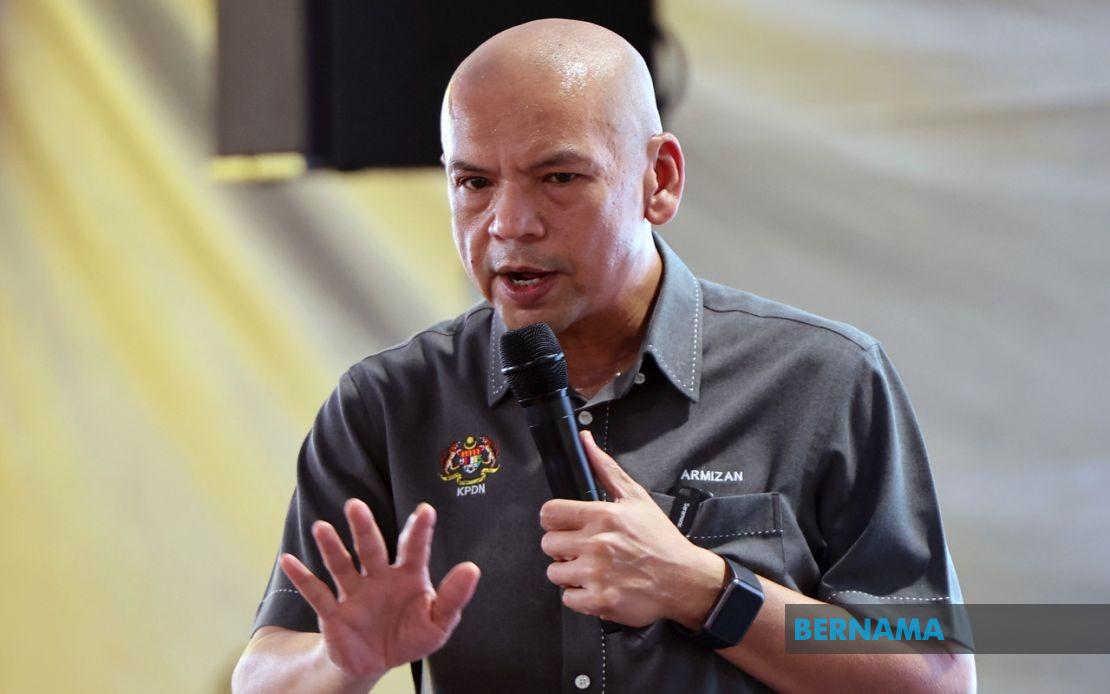
Malaysia's Domestic Trade and Cost of Living Minister Datuk Armizan Mohd Ali has announced that small companies and local contractors will benefit from a monthly diesel allocation of 300 litres delivered through fleet card systems. The initiative aims to cushion the operational pressures faced by these businesses following the July 1 rollout of the targeted diesel subsidy scheme in Sabah, Sarawak, and Labuan.
The subsidy flexibility specifically targets firms registered as partnerships or sole proprietorships operating diesel vehicles for commercial purposes across the country. This approach represents a pragmatic intervention after the federal cabinet identified a significant gap in the initial subsidy framework. Micro-entrepreneurs who previously encountered obstacles when attempting to secure assistance under individual names now have a clearer pathway to support, addressing a documented implementation challenge that emerged during the scheme's conception.
Armizan explained that these smaller enterprises fall outside the two primary beneficiary categories established under the Subsidised Diesel Control System, or SKDS. Those official tiers encompass the public transport sector and the goods and consumer necessities logistics industry. The new provision acknowledges that countless small operators—from delivery services to equipment rental firms—rely heavily on diesel consumption for survival but do not fit neatly into those established sectoral classifications. Their exclusion would have created an unintended equity problem as larger, formally categorized businesses received assistance while similarly positioned smaller competitors struggled without relief.
The decision to introduce this intermediate measure demonstrates the government's willingness to iterate on subsidy design based on practical feedback. Rather than waiting for a comprehensive policy overhaul, the ministry moved swiftly to cabinet approval, signalling responsiveness to identified pain points. This flexibility proves particularly valuable for sole proprietors and partnership entities that had faced administrative hurdles under rigid individual-name application requirements, a bureaucratic friction that often discourages applications from informal sector participants.
Armizan underscored that future refinements to the subsidy implementation in the three eligible regions will continue to balance three foundational considerations. First among these is the immediate fiscal impact on household and business cost structures—subsidies exist ultimately to relieve financial pressure during inflationary periods. Second, the government must vigilantly manage leakage risks, the perennial challenge of ensuring benefits reach genuine beneficiaries and preventing diversion or exploitation. Third, policymakers must remain mindful of fiscal sustainability, as endless subsidy expansion without revenue sources strains public finances and crowds out other developmental priorities.
To strengthen delivery mechanisms in remote interior zones across Sabah and Sarawak, state-level administrative bodies will be mobilised to handle registration processing and eligibility verification. This decentralisation recognises that Kuala Lumpur-based bureaucracy cannot effectively reach isolated communities, and local agencies possess superior ground knowledge to identify eligible households and businesses that might otherwise be overlooked. The strategy reflects lessons learned from previous subsidy schemes where geographical remoteness created participation barriers.
Beyond the diesel subsidy announcement, Armizan inaugurated the MADANI Foster Village initiative in Kampung Sekalong, Menumbok, with an allocation of RM500,000 directed toward five community projects. These developments include construction of a multipurpose hall, upgrading existing village road networks, repairing and constructing culvert infrastructure, deploying solar street lighting, and erecting a recognisable village landmark. The comprehensive nature of this investment demonstrates an integrated approach to rural development, addressing both transport subsidies and basic infrastructure deficiencies simultaneously.
The Papar Member of Parliament indicated that implementation will commence immediately, with completion targeted within the current calendar year. Rather than spreading project execution across multiple years—a common pattern that dilutes impact and frustrates communities—the accelerated timeline commits to two to three months for finalisation. This aggressive schedule suggests confidence in project management capacity and reflects political urgency to deliver tangible improvements to constituents.
The MADANI Foster Village Programme positions itself as an urban-rural equalisation initiative, narrowing the development disparity that persistently disadvantages peripheral communities. Beyond physical infrastructure, the scheme addresses essential services including water supply, electricity access, road connectivity, streetlighting, broadband availability, and community gathering spaces. These are foundational elements that developed urban neighbourhoods take for granted but which remain absent across many rural areas, perpetuating quality-of-life differences that drive migration toward cities.
For Malaysian readers, this diesel subsidy expansion carries particular relevance as Southeast Asia's rising fuel costs increasingly pressure operational budgets across the SME segment. The region's logistics and transport sectors depend disproportionately on small operators rather than corporate entities, making targeted subsidies more geographically efficient than broad-based fuel price controls. The Malaysia approach of combining sectoral eligibility with size-based flexibility offers a template that neighbouring countries grappling with similar subsidy design challenges might adapt.
The integration of subsidy programmes with infrastructure development projects also merits attention. By coupling cost-of-living relief with basic amenity investments, the government addresses immediate operational pressures while simultaneously removing longer-term constraints on rural business growth. Communities with reliable electricity, accessible roads, and communication networks attract investment and enable entrepreneurs to expand operations beyond subsistence-level trading. This holistic vision distinguishes contemporary Malaysian subsidy architecture from earlier iterations that treated relief as temporary spending without developmental vision.
Stakeholders in Sabah and Sarawak should note that implementation quality will depend substantially on the coordinating role of state agencies. While central policy is well-intentioned, local execution varies considerably across jurisdictions. Communities should track registration accessibility, response times for verification queries, and equitable distribution across urban and interior constituencies. Feedback mechanisms allowing beneficiaries to report implementation problems will prove essential for identifying bottlenecks before they undermine programme credibility.

