Parliament has taken a significant step forward in professionalising Malaysia's social welfare sector with the tabling of the Social Work Profession Bill 2026. The Malaysian Association of Social Workers (MASW) has hailed the moment as transformative, representing the culmination of sustained advocacy efforts to secure formal statutory recognition for a profession that touches the lives of thousands of vulnerable Malaysians. The move signals the government's commitment to building a more robust and standardised social protection framework at a time when Malaysia faces evolving demographic and social challenges.
The bill's passage through Parliament represents vindication for social workers who have long operated without formal professional regulation, despite their critical role in addressing family breakdown, poverty, mental health issues, and child welfare concerns. MASW president Dr Teoh Ai Hua emphasised that the legislation affirms the essential principle that Malaysia's social protection system must be underpinned by a competent, ethical, and professionally recognised workforce. This framing positions social work not as charitable or voluntary work, but as a skilled profession requiring standardised training, credentials, and accountability mechanisms.
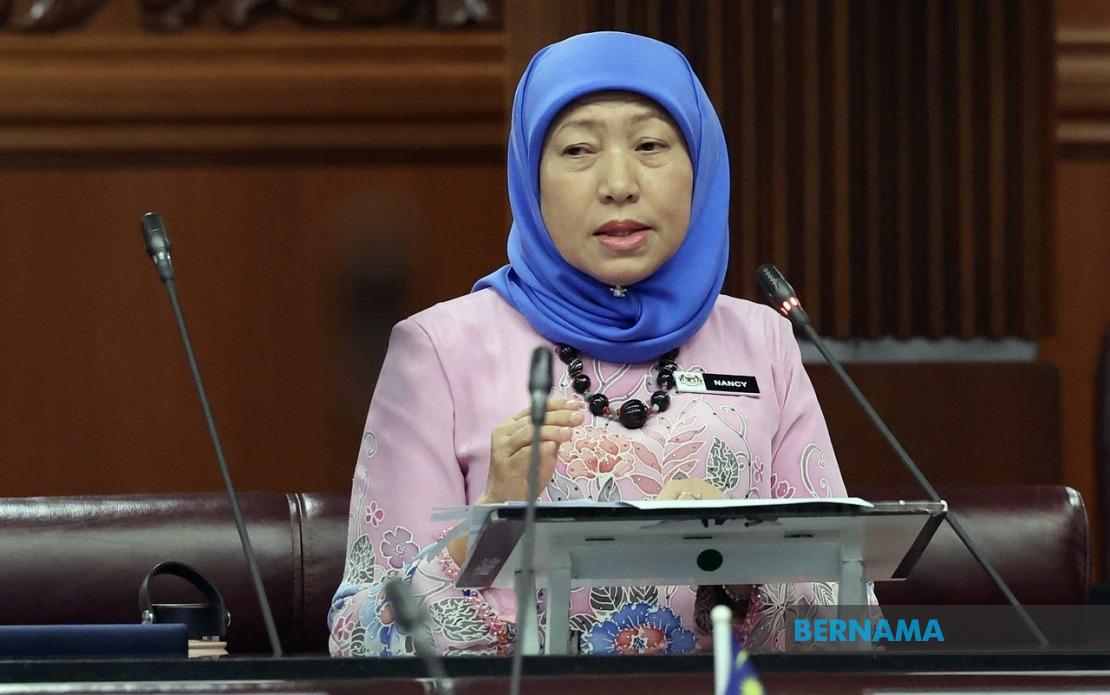
Women, Family and Community Development Minister Datuk Seri Nancy Shukri has played a pivotal role in advancing the bill through cabinet and into Parliament. Her ministry's sustained commitment reflects broader recognition that Malaysia's social infrastructure requires professionalisation to meet contemporary needs. The legislative process has involved extensive consultation across government and non-government sectors, with development work commencing as far back as 2010. This long gestation period underscores both the complexity of harmonising regulations across sectors and the patience required to build consensus among diverse stakeholders.
Alignment with international standards represents a crucial dimension of the bill's significance. The legislation will position Malaysia in line with the Ha Noi Declaration on Strengthening Social Work towards a Cohesive and Responsive ASEAN Community from 2020, as well as the Global Standards for Social Work Education and Training established by the International Association of Schools of Social Work (IASSW) and the International Federation of Social Workers (IFSW). For a nation aspiring to regional leadership in social development, this standardisation carries both symbolic and practical importance, enabling greater mobility of professionals across Southeast Asia and ensuring Malaysian social workers meet globally recognised competency benchmarks.
The bill's potential impact extends beyond individual practitioners to reshape how Malaysia's social welfare system operates at every level. Formal regulation through legislation will establish educational standards, define scope of practice, create mechanisms for professional discipline, and ensure accountability. These safeguards protect vulnerable service users while elevating the profession's standing. MASW vice-president Dr Mohd Iqbal Haqim Mohd Nor characterised the bill's tabling as transforming years of advocacy into tangible institutional change, suggesting that practitioners view this moment as fundamentally altering their professional status and the public recognition their work deserves.
For Malaysian readers navigating the social welfare system, this professionalisation carries direct implications. Citizens accessing family counselling, child protection services, elder care assessments, or community support programmes will encounter social workers operating under consistent national standards rather than variable practices. The bill should establish transparent mechanisms for complaint, qualification verification, and continuing professional development. These protections matter most for those least able to advocate for themselves—children in protective custody, domestic violence survivors, persons with mental illness, and elderly persons without family support.
The bill's journey from 2010 conception to 2026 parliamentary tabling reflects the complexity of developing comprehensive professional legislation in Malaysia's multi-sector welfare landscape. Social work sits at the intersection of government services, non-government organisations, private practice, and community initiatives. Drafters have had to accommodate practitioners across these domains while establishing consistent standards. The involvement of social work educators and practitioners from both government and non-government sectors in the Technical Committee and Special Project Team suggests genuine effort toward inclusive stakeholder engagement, though implementation will test whether consensus holds when detailed regulations emerge.
AMY Bala, MASW's honorary secretary, has called on Members of Parliament to provide substantive engagement during the bill's passage, suggesting room for amendments. This invitation to constructive deliberation indicates that while the profession welcomes the legislation's core purpose, practitioners may advocate for refinements to specific provisions. Parliament will need to balance professional input with broader public interest considerations, ensuring that regulation serves vulnerable Malaysians rather than merely cementing practitioner privileges. The call for adequate resources and transparent implementation also flags potential challenges: legal recognition without funding for enforcement mechanisms risks creating empty statutory frameworks.
The bill's passage will require coordinated implementation across multiple government agencies, educational institutions, and professional bodies. The Women, Family and Community Development Ministry appears positioned as lead coordinator, but effective execution demands cooperation from the Health Ministry (mental health and substance abuse), the Home Ministry (immigration-related social work), the Education Ministry (school-based services), and state governments (welfare administration). This coordination challenge will likely exceed the technical task of drafting regulations, requiring sustained political commitment and resource allocation across electoral cycles.
For Malaysia's non-governmental sector, which provides roughly half of direct social services nationwide, the bill's professionalisation standards carry both opportunity and risk. Standards should enhance organisational capacity and service quality, but poorly designed regulations could inadvertently advantage larger, better-resourced NGOs over smaller community organisations. The bill's implementation phase will therefore require careful attention to ensuring that professionalisation strengthens rather than strangles the diverse ecosystem of social service delivery that currently characterises Malaysian practice.
The timing of this legislation also reflects broader regional and global recognition of social work's expanding relevance. The ASEAN region faces increasing urbanisation, changing family structures, rising mental health challenges, and ageing populations—all domains where professional social work expertise becomes increasingly valuable. Malaysia's bill positions the nation as a standard-setter in a region where most countries lack comparable legislation. This leadership role could enhance Malaysia's influence in ASEAN social policy discussions and create opportunities for regional training initiatives and professional exchange.
Looking forward, the critical test will be implementation quality. Legislative recognition means little if regulations emerge as bureaucratic obstacles rather than meaningful frameworks for quality assurance. MASW's readiness to support implementation, as expressed by Dr Teoh, suggests the profession will remain engaged through the detailed rule-making and compliance phases. However, public interest groups should also maintain scrutiny, ensuring that the bill's ultimate beneficiaries remain those Malaysians most vulnerable to social deprivation rather than the profession itself seeking to consolidate status and income.

