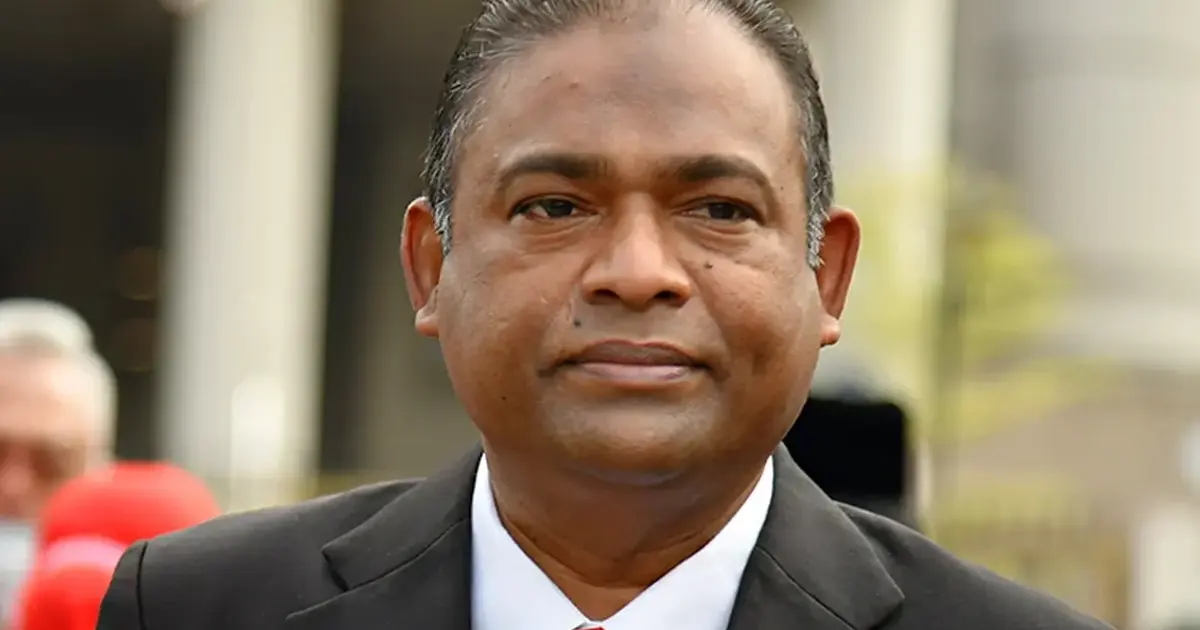
Confusion swept across Malaysian social media platforms overnight as unverified claims suggested that Abdul Azeez Abdul Rahim, the former chairman of Tabung Haji and previous Member of Parliament for Baling, had been apprehended by authorities. The flurry of posts and shared messages created significant uncertainty about the former political figure's whereabouts, prompting immediate family intervention to address the misinformation.
The rapid dissemination of arrest allegations underscores how quickly unsubstantiated claims can gain traction in Malaysia's digital ecosystem, particularly when they involve high-profile figures with ties to major national institutions. Tabung Haji, formally known as the Pilgrims' Fund Board, serves as a crucial financial institution managing savings and facilitating pilgrimage arrangements for Malaysian Muslims, giving its leadership considerable public prominence and institutional importance.
Abdul Azeez's tenure as chairman placed him at the helm of an organization managing billions in assets and serving millions of beneficiaries, making his actions and whereabouts matters of public interest. The former Baling MP has maintained a significant presence in Malaysian political circles, and any legal action against him would have broader implications for public discourse surrounding governance and accountability within major state-linked entities.
The family's swift response to squash the arrest rumours demonstrates how critical it has become for public figures and their representatives to actively combat false narratives in real-time. Waiting for official statements or allowing misinformation to persist unchallenged can compound confusion and damage reputations, particularly in an information environment where social media conversations often outpace traditional media verification processes.
This incident reflects a broader pattern in Malaysian society where speculation about prominent individuals—particularly those connected to government-linked institutions or holding significant political positions—can rapidly transform into widespread belief without factual basis. The lack of verified sources underpinning the arrest claims reveals how easily rumors can circulate among Malaysian social media users when institutional accountability questions remain in public consciousness.
Malaysia's anti-corruption framework, administered through the Malaysian Anti-Corruption Commission, operates with considerable scrutiny from civil society organizations and media observers. Any legitimate investigative actions targeting senior figures typically follow predictable institutional protocols, with official announcements preceding widespread public knowledge. The absence of formal MACC communications regarding Abdul Azeez raises questions about the origin and motivations behind the viral claims.
The incident also highlights vulnerabilities in how information flows during periods of institutional uncertainty or when prominent figures face public scrutiny. In Malaysia's competitive political landscape, where different factions vie for influence and narrative control, unverified allegations can serve strategic purposes for various actors seeking to shape public opinion or distract from other issues. Distinguishing genuine accountability concerns from politically motivated rumors requires sustained media literacy and critical engagement with sources.
For Malaysian citizens invested in governance accountability, particularly those monitoring institutions handling significant public resources, distinguishing between legitimate investigative action and social media conjecture remains challenging. Abdul Azeez's position at Tabung Haji during various periods when the institution faced scrutiny over management practices and financial performance means questions about his conduct fall within legitimate public discourse, even as specific arrest claims require verification before acceptance.
The family's intervention represents a necessary corrective in an information environment where false reports can generate consequences including reputational damage, emotional distress, and erosion of public trust in media narratives more broadly. As Malaysia continues navigating digital communication challenges, the importance of distinguishing between verified reporting and social media speculation becomes increasingly central to maintaining functional public discourse around institutional accountability.
Going forward, this episode suggests the need for stronger coordination between government institutions, media organizations, and fact-checking initiatives to rapidly identify and counter false allegations while preserving genuine accountability mechanisms. Building public confidence in both anti-corruption processes and information verification systems remains essential for Malaysia's institutional development and social cohesion.

