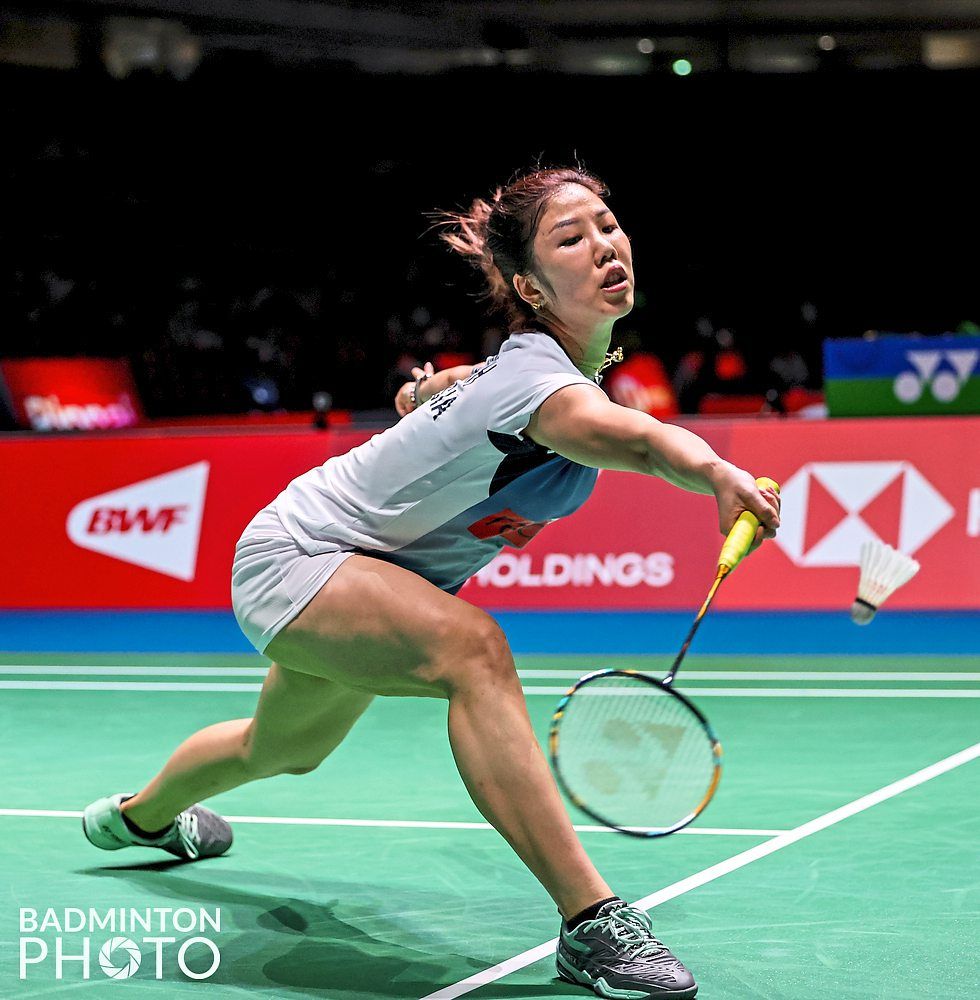
Soniia Cheah, a decorated former women's singles shuttler who represented Malaysia at the Tokyo Olympics, has stepped down from her position as sports director at the Kuala Lumpur Badminton Association, concluding her tenure after less than four months in the role. The resignation takes effect from Wednesday, marking an abrupt end to what was intended as a one-year engagement that began in February. While Cheah declined to publicly detail the circumstances prompting her departure, she made clear that the decision followed careful deliberation and reflected her inability to reconcile her professional responsibilities with core values she has held since her competitive career.
Cheah's statement revealed a principled stance rather than a personality conflict, deliberately framing her exit as a matter of institutional concern rather than targeting any individual. In her remarks to media, she emphasised that certain matters within the association no longer aligned with her ethical framework as someone steeped in national badminton culture. She articulated the tension inherent in her predicament: remaining in the role would have required her to compromise on principles she considers fundamental, a prospect she found untenable. The phrasing suggests structural or governance issues at the association rather than interpersonal disputes with colleagues or leadership, though she refrained from elaborating publicly.
For a former national athlete of Cheah's standing, stepping away from an administrative post carries particular significance. Her career trajectory positions her as someone invested in badminton's development and the welfare of younger players. That she chose to resign rather than remain silent indicates the issues she encountered held sufficient weight to outweigh the professional opportunity and platform the director role provided. Many in Malaysian sports leadership circles face similar dilemmas when institutional practices diverge from their personal convictions, but few act as decisively as Cheah has demonstrated.
Cheah expressed gratitude toward the players she mentored during her brief tenure, signalling that her frustration lay with organisational elements rather than athlete engagement. Her final official assignment involved overseeing the Kuala Lumpur squad at the Affin 100Plus Junior Elite Tour Finals, held at Stadium Juara in Bukit Kiara the week prior to her resignation announcement. This suggests she maintained professional commitment to her duties until her departure became public, underlining the seriousness with which she approached her remaining responsibilities.
The former shuttler's background lends weight to her concerns about the association's direction. Cheah, now 33, was once Malaysia's top-ranked women's singles player and carried the nation's badminton hopes at the Tokyo Olympic Games, experiences that would give her informed perspective on how national talent should be developed and supported. Her playing career, marked by technical excellence and competitive spirit, ended in 2022 following a prolonged struggle with recurring Achilles tendon injuries—a medical reality that likely shaped her understanding of athlete welfare and appropriate institutional support systems.
The timing of her appointment and subsequent exit raises questions about what conditions may have been inadequately assessed before she accepted the position. Cheah's February start date suggests she took the role with expectations that proved incompatible with operational reality. Four months is insufficient time to effect meaningful structural change, suggesting that whatever concerns emerged were either present from the outset but not immediately apparent, or crystallised relatively quickly as she engaged with association processes and culture.
Cheah's hope that her resignation will catalyse institutional reflection indicates she views her departure not as failure but as a potential catalyst. By stepping down visibly and articulating that principles were at stake, she has created accountability pressure on the KLBA to examine its practices. This approach differs markedly from silent accommodation or quiet consensus-building; instead, she has chosen transparency as a tool for change. Whether the association will respond substantively to her implicit criticism remains uncertain, but her action places the issue squarely in the public domain.
The incident underscores broader challenges within Malaysian sports administration, where athletes transitioning into governance roles sometimes encounter organisational cultures or decision-making frameworks that conflict with their competitive-era values. The badminton community's strength lies partly in its relatively deep talent pipeline and international competitiveness, yet administrative effectiveness remains inconsistent. Cheah's experience suggests that importing former players into leadership positions, while conceptually sound, requires careful alignment between individual expectations and institutional readiness for change.
Looking forward, the KLBA will need to recruit a replacement for the sports director position while also addressing whatever systemic issues prompted Cheah's departure. Her willingness to sacrifice a prestigious role rather than compromise her professional integrity sends a powerful message to the wider sports establishment about the importance of institutional culture and ethical governance. For Malaysian badminton stakeholders, particularly young players and their families, Cheah's stand raises relevant questions about the association's commitment to player-centred values and transparent administration moving forward.

