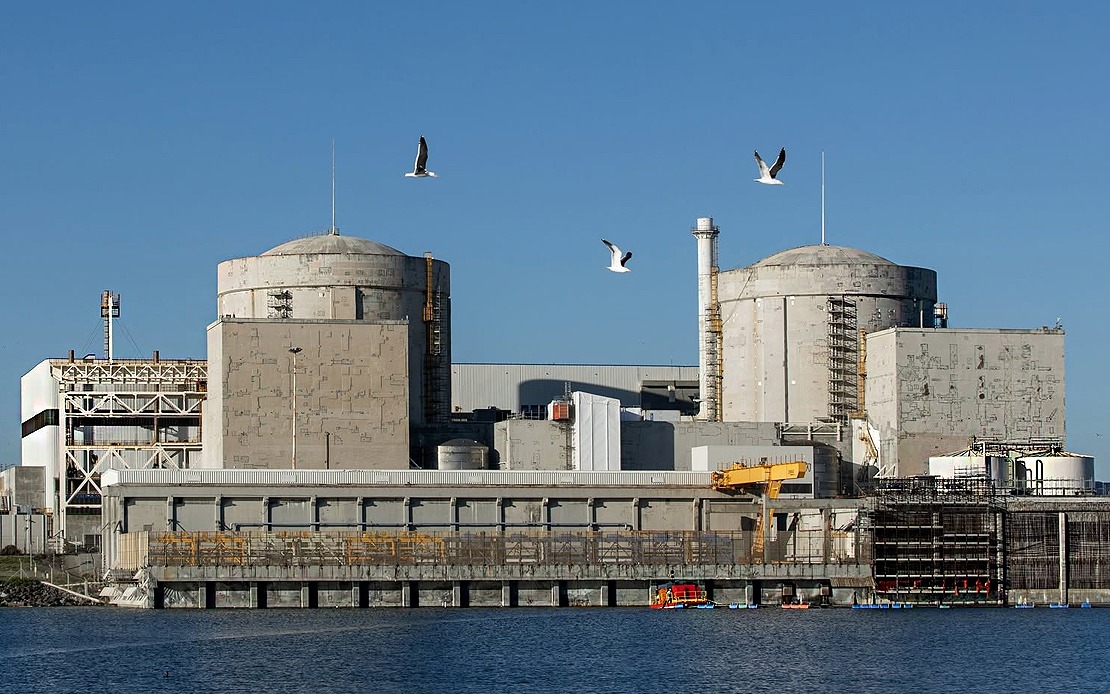
South Africa's Koeberg Nuclear Power Station, situated approximately 30 kilometres north of Cape Town, experienced three separate radiation exposure incidents affecting maintenance workers over a three-week period, according to Energy Minister Kgosientsho Ramokgopa. Speaking at a media briefing, the minister disclosed that the exposures occurred on June 30, July 2, and July 7 during routine maintenance operations, with officials asserting that all incidents had been successfully contained without any release of radioactive material beyond the facility's boundaries or threat to surrounding residential areas.
The underlying cause of the three incidents traced back to a transient power disruption that temporarily compromised the plant's ventilation infrastructure, creating conditions under which workers received measurable radiation exposure. However, Ramokgopa characterised the absorbed doses as negligible in comparative terms, noting that they fell below the level of radiation exposure typically received during a standard dental X-ray examination. This framing attempted to contextualise the incidents within familiar safety parameters, though it underscores the inherent risks associated with nuclear facility maintenance operations and the vulnerability of systems to infrastructure disruptions.
Velaphi Ntuli, the director of South Africa's nuclear safety division, provided additional assurance by confirming that none of the three occurrences satisfied the criteria established for formally reportable nuclear safety events under regulatory frameworks. This technical classification suggests the incidents fell within tolerable operational parameters recognised by the country's nuclear oversight authority, yet the clustering of three separate exposure incidents within a brief timeframe raises questions about underlying systemic vulnerabilities and whether preventive measures adequately address infrastructure reliability.
The Koeberg incidents emerge amid South Africa's broader energy crisis and the government's aggressive nuclear expansion strategy. The nation has committed to adding 5.2 gigawatts of nuclear generating capacity by 2039, representing a substantial commitment to nuclear power as a cornerstone of future electricity infrastructure. This expansion plan remains contentious, with significant public reservations about the safety, cost, and waste management implications of an enlarged nuclear sector, particularly given South Africa's historical challenges with large infrastructure projects and cost overruns.
Understanding South Africa's nuclear pivot requires context regarding the country's severe and prolonged electricity supply crisis. Persistent rolling blackouts and generation deficits have constrained economic activity and undermined public confidence in the state's management of critical infrastructure. The government views nuclear energy as essential to building a more stable and resilient electricity supply network, alongside renewable energy development and coal retirement, positioning atomic power as a counterweight to the nation's entrenched dependence on coal-based generation.
The electricity sector has historically relied overwhelmingly on coal, which continues to dominate South Africa's generation portfolio. However, government policy articulates a long-term decarbonisation objective, targeting the transition of electricity production toward non-fossil fuel sources by 2050. This transition framework positions nuclear power, alongside wind and solar installations, as a critical pillar for achieving emissions reduction while maintaining generation reliability and supporting industrial demand.
For Malaysian readers and Southeast Asian observers, South Africa's nuclear expansion experience carries instructive implications. The region faces comparable pressures regarding electricity supply, economic growth demands, and climate mitigation commitments. Several Southeast Asian nations, including Vietnam and Thailand, have examined or pursued nuclear power development, though political and financial obstacles have stalled or reversed these initiatives. South Africa's approach demonstrates both the potential and the operational risks inherent in nuclear expansion, particularly in developing economies where infrastructure resilience and regulatory capacity require continuous strengthening.
The Koeberg incidents also illuminate broader questions about the relationship between aging infrastructure, maintenance protocols, and nuclear safety. The power outage triggering the ventilation system failures highlights how seemingly ancillary systems failures can cascade into worker safety implications within nuclear facilities. This vulnerability pattern demands rigorous redundancy architecture, particularly as plants age and require increasing maintenance attention, suggesting that expansion programs must be accompanied by parallel investments in infrastructure modernisation and safety system upgrades.
Regulatory frameworks prove equally important. South Africa's nuclear safety division classified the incidents as non-reportable, a determination reflecting existing regulatory thresholds but also indicating how incident severity classifications might mask accumulating operational vulnerabilities. The concentration of three incidents in three weeks warrants investigation into whether root causes address temporary anomalies or systemic deficiencies requiring corrective action beyond basic containment protocols.
The government's messaging strategy—emphasising incident containment, minimal dose exposure, and continuity of nuclear expansion plans—reflects institutional commitment to nuclear power's centrality within energy policy. However, this approach also carries political risk, particularly if future incidents breach established safety thresholds or if public perception regarding nuclear safety becomes sensitised by recurring incidents, however minor and successfully contained.
Looking forward, South Africa's nuclear expansion depends substantially on demonstrating operational excellence and transparent safety communication. The Koeberg incidents, while officially characterised as routine and contained, illustrate the complex challenges of maintaining aging nuclear infrastructure while simultaneously planning substantial sectoral expansion. For policymakers in South Africa and across Southeast Asia considering nuclear investments, these events underscore the necessity of rigorous safety cultures, redundant infrastructure systems, and public confidence-building through genuine transparency rather than reassurance messaging alone.

