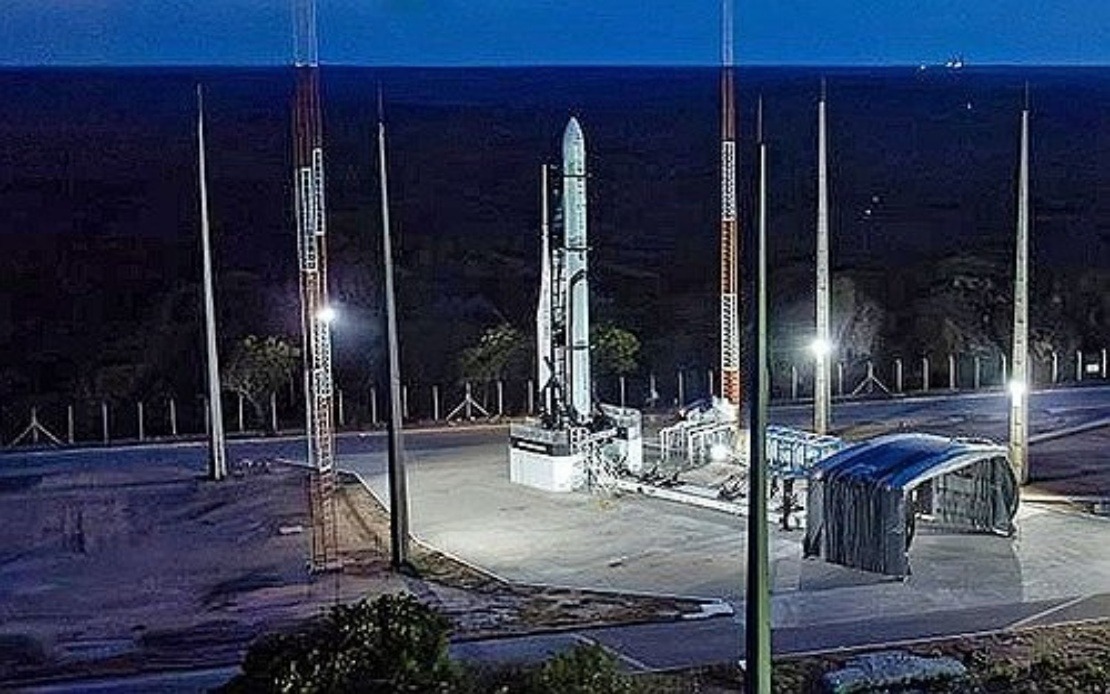
South Korea has shelved its plans to launch the Mir solid-fuel space rocket, marking a setback for the nation's ambitious effort to develop homegrown satellite reconnaissance capabilities. The launch, originally scheduled for 2 pm on Tuesday from a sea barge stationed off Jeju Island's southern coast, has been postponed indefinitely following the discovery of technical issues during final preparations, according to an announcement from the defence ministry.
The decision to defer the launch reflects the complexity and inherent risks associated with space vehicle development, even for technologically advanced nations. The defence ministry stated that safety considerations prompted the cancellation, noting that "a set of issues was detected during final launch preparations." While officials did not elaborate on the specific technical problems that emerged, the move underscores the meticulous approach required when testing new rocket systems, particularly given the substantial financial investment and strategic importance of the programme.
The postponed launch represented a critical juncture for the Mir initiative. Had it proceeded successfully, the rocket would have completed its first test flight as a fully assembled four-stage vehicle, a significant engineering milestone after years of development. Previously, in 2022 and 2023, South Korea had conducted a series of trials that tested partial three-stage configurations, gradually building toward the complete system. This incremental approach, though cautious, has allowed engineers to identify and resolve problems before attempting a full launch.
South Korea's investment in solid-fuel rocket technology stems from strategic considerations rooted in regional security dynamics. Since 2021, the nation has been developing the solid-propellant launch vehicle with the primary objective of placing small observation and surveillance satellites into low-Earth orbits below 500 kilometres altitude. This capability directly supports Seoul's broader national security interests, particularly the enhanced monitoring of North Korean military activities and capabilities that represent a persistent threat to the peninsula.
Solid-fuel rockets offer distinct advantages over their liquid-fuel alternatives that make them particularly suited to South Korea's strategic objectives. These systems are mechanically simpler, require less infrastructure for launch operations, and can remain stored for extended periods without degradation—critical attributes for maintaining operational flexibility and enabling rapid deployment when intelligence gathering priorities shift. This technological pathway complements rather than replaces South Korea's existing reconnaissance capabilities.
The Mir programme operates in parallel with the military's separate spy satellite initiative, which has already achieved notable success through commercial partnerships. South Korea has successfully deployed five reconnaissance satellites into orbit using SpaceX's Falcon 9 rockets, with the most recent launches completed by November of the previous year. This diversified approach—combining domestically-developed systems with proven international launch services—hedges against technical setbacks while advancing indigenous technological expertise.
The strategic ambition underlying the Mir programme is substantial. South Korea intends to field up to 60 small spy satellites by 2030, creating a comprehensive surveillance constellation that would complement its existing cluster of five larger military reconnaissance satellites. This networked architecture would generate significantly enhanced coverage of potential adversary territories and military installations, enabling more frequent imaging passes and reducing critical gaps in situational awareness.
The long-term implications of achieving this satellite constellation extend beyond immediate military applications. Developing an independent reconnaissance network would substantially decrease South Korea's reliance on American satellite intelligence, a relationship that has defined regional security dynamics for decades. While the alliance with the United States remains central to South Korean strategy, cultivating autonomous intelligence-gathering capabilities strengthens national strategic autonomy and reduces vulnerability to disruptions in intelligence sharing arrangements.
For regional observers, particularly in Southeast Asia, South Korea's space programme demonstrates the technological sophistication increasingly accessible to mid-sized powers with sustained investment and strategic focus. The development of indigenous space launch capabilities, even facing temporary setbacks, represents a trend toward technological self-sufficiency that characterises the broader Indo-Pacific region's strategic evolution. Nations across Southeast Asia monitoring these developments recognise the expanding array of surveillance and communication technologies becoming available to regional actors.
The postponement, while disappointing, should not be interpreted as a fundamental failure or abandonment of the Mir initiative. Space agencies worldwide routinely defer launches to address identified safety concerns—such decisions reflect engineering maturity rather than programmatic weakness. The defence ministry's commitment to announcing a rescheduled launch date suggests the technical issues, while serious enough to prevent immediate launch, are understood and addressable within the programme's existing timeline and resources.
The incident also illustrates the persistent challenges inherent in space technology development, even for economically advanced nations with substantial technological infrastructure. South Korea's aerospace sector possesses considerable capabilities and experience, yet the complexity of integrated rocket systems continues to generate unexpected problems during final integration and testing phases. This reality underscores why space programmes worldwide maintain rigorous pre-launch validation procedures and maintain the flexibility to postpone missions when safety concerns emerge.
Looking forward, the rescheduled Mir launch will receive heightened international attention given its significance to South Korea's strategic objectives and the broader geopolitical context of the Korean peninsula. Successful deployment of the solid-fuel rocket system would validate years of engineering investment and demonstrate that South Korea can reliably execute complex space operations independent of foreign assistance. For policymakers in Seoul, this capability represents an essential component of comprehensive national security strategy addressing twenty-first century intelligence requirements.

