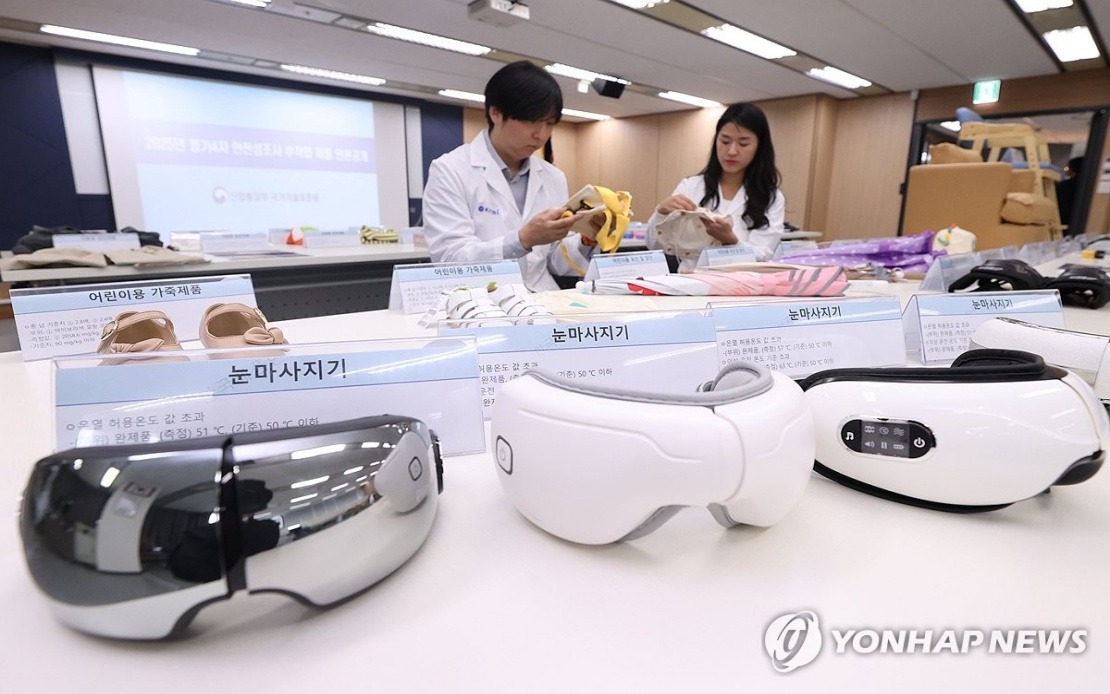
South Korea faces a mounting consumer safety challenge as product recall incidents reached 2,656 cases last year, marking a 5 per cent increase from the preceding 12 months, according to data released by the country's Fair Trade Commission. The uptick signals growing concerns about the quality and safety standards of goods circulating through both traditional and digital retail channels, particularly as e-commerce continues reshaping how consumers purchase everyday items across the region.
The most alarming trend underlying these figures involves violations of the Framework Act on Consumers, which jumped substantially by 42 per cent year-on-year to 851 documented cases. This dramatic rise points to a systemic problem: hazardous products already subject to recalls in their countries of origin are increasingly making their way onto South Korean online marketplaces, exploiting the looser oversight mechanisms that govern cross-border digital sales. For Southeast Asian nations like Malaysia that share similar e-commerce infrastructure and consumer bases, this phenomenon warrants close attention, as the same supply chains and distribution networks often serve multiple markets across the region.
Industrial consumer goods dominated the recall categories, accounting for 1,282 cases and registering an 8.6 per cent yearly increase. This segment encompasses everyday products from household appliances to electronics that millions of households depend upon, making safety lapses in this category particularly consequential for ordinary families. The growth in recalls within this category underscores how the integration of global manufacturing and the explosion of online retail have created new vulnerabilities in product quality assurance pipelines.
Contrastingly, pharmaceutical recalls including herbal medicines experienced a 13.5 per cent decline to 295 cases, suggesting either improved oversight of medicinal products or stricter entry barriers for pharmaceutical imports. Medical devices, however, told a different story, with recalls climbing 8.5 per cent to 308 cases. This split outcome hints at the uneven effectiveness of sector-specific regulatory frameworks, with pharmaceutical products potentially benefiting from more stringent pre-market approval processes compared to general consumer goods and medical equipment.
South Korea's Fair Trade Commission has characterized the problem as rooted in the explosive growth of direct-to-consumer purchasing and the proliferation of imported goods through online channels that frequently evade traditional customs and safety screening. The watchdog acknowledged this vulnerability publicly, stating that heightened surveillance efforts now involve coordination across multiple government agencies to intercept hazardous products before they reach consumers. This administrative response, while necessary, also reveals the reactive nature of current enforcement mechanisms, which often function as damage control rather than preventive measures.
Government authorities have implemented measures requiring online marketplace operators to suspend sales of products identified as dangerous through safety testing protocols or those previously recalled in overseas markets. This approach essentially outsources compliance responsibility to platform operators, a strategy that depends heavily on the platform's technical capacity and commercial willingness to prioritize safety over transaction volume. For Malaysian regulators and consumer protection bodies, this model offers both lessons and cautionary tales about the effectiveness of relying on private sector gatekeepers for public safety enforcement.
The underlying catalyst for South Korea's recall surge connects directly to structural changes in consumer behavior and retail infrastructure. As middle-class Asian consumers increasingly embrace cross-border shopping and direct imports from international sellers, they bypass traditional quality checkpoints embedded in conventional wholesale and retail distribution networks. Online marketplaces, while offering convenience and competitive pricing, have become conduits for lower-quality goods that might never pass certification requirements if routed through official importation channels.
For Malaysian and Southeast Asian policymakers, South Korea's experience offers a prescient warning about the challenges ahead. The region's own e-commerce sectors are expanding at similarly rapid rates, with consumers increasingly purchasing from sellers across borders through platforms that operate across multiple jurisdictions. The coordination required to implement effective safety oversight at this scale—particularly across countries with varying regulatory capacities and standards—remains largely unaddressed.
The 42 per cent surge in consumer act violations deserves particular scrutiny, as it suggests that many imported goods entering South Korean markets through online channels may not meet local safety standards or contain accurate labeling and documentation. This problem carries implications beyond individual consumer harm; it represents a failure of the regulatory architecture to keep pace with technological and commercial innovation in retail. As Malaysian platforms like Lazada and Shopee continue expanding their cross-border operations throughout Southeast Asia, similar challenges will likely emerge unless preventive frameworks are strengthened now.
South Korea's regulatory response, while appropriate, remains fundamentally constrained by the borderless nature of digital commerce. Requesting that marketplace operators block sales addresses symptoms rather than root causes. Deeper solutions would require harmonized safety standards across trading partners, coordinated enforcement mechanisms that can track goods through complex digital supply chains, and consumer education initiatives that help buyers identify and avoid potentially hazardous imports. Malaysia and its regional neighbors would benefit from studying South Korea's experience not merely as an isolated case study, but as a preview of regulatory challenges that demand proactive regional cooperation and modernized safety frameworks tailored for the e-commerce era.

