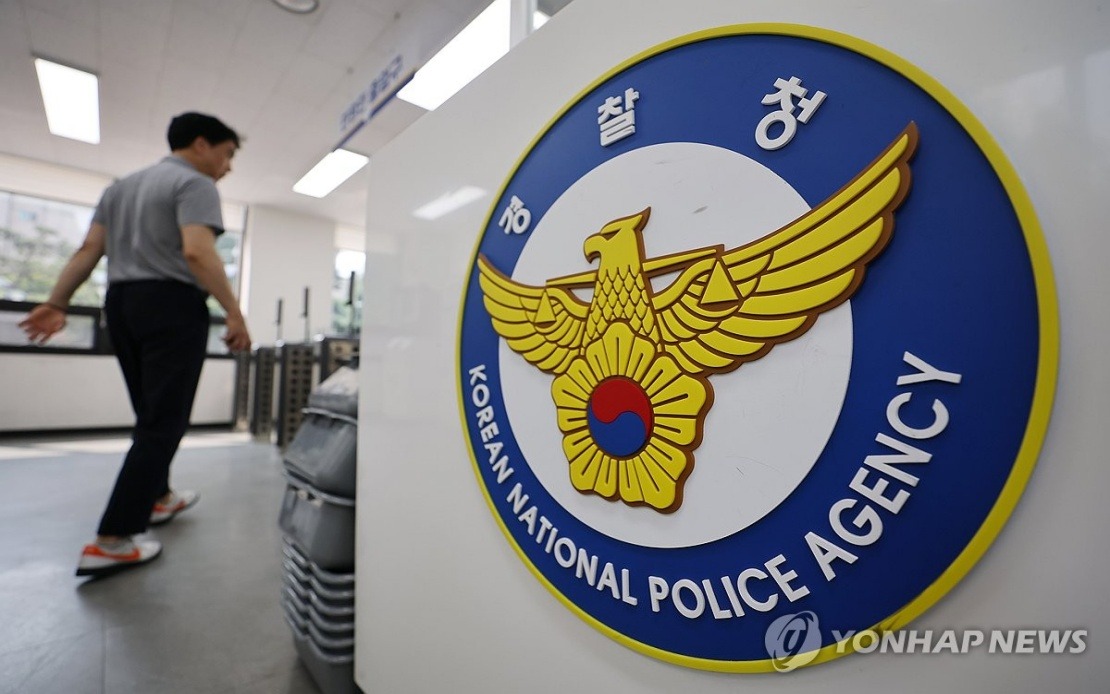
South Korea's national police force is mobilising resources for an intensive campaign against rising organised crime, announcing a special operations period beginning this coming Monday that will extend through the end of October. The Korean National Police Agency has identified a critical shift in criminal patterns, with younger perpetrators increasingly gravitating towards financial crime schemes and cross-border offences that threaten economic stability and public security across the peninsula.
The law enforcement initiative comes in response to alarming statistical trends documented in the first six months of 2024. During the March-to-June period, police apprehended 1,185 gang-affiliated individuals, representing a nine percent increase from the previous comparable timeframe, while actual arrests surged nearly fifty percent to 225 suspects. These figures underscore a fundamental transformation in organised crime operations, shifting away from traditional street-level violence toward more sophisticated schemes designed to generate substantial financial returns with reduced physical visibility.
Demographic analysis of arrested suspects reveals a troubling generational dimension to contemporary organised crime in South Korea. Individuals aged thirty or younger comprised nearly sixty-four percent of those apprehended during the enforcement period, with fraudulent schemes accounting for more than forty percent of their criminal activity. This younger demographic shows proficiency in exploiting digital platforms and financial systems, suggesting that traditional gang hierarchies are being supplanted by network structures capable of rapid adaptation to law enforcement responses.
The crackdown will concentrate heavily on high-yield financial crimes that have proliferated in South Korean society. Police operations will target organised fraud schemes, illegal private lending operations, clandestine online gambling platforms, and money laundering networks that convert illicit gains into seemingly legitimate assets. The KNPA has also identified a secondary concern: criminals openly flaunting stolen wealth through social media and digital channels, behaviour that undermines public confidence in law enforcement and creates copycat criminal activity among vulnerable youth populations.
Money laundering remains a central focus because it represents the connective tissue linking various criminal enterprises. By severing the financial infrastructure that enables organised crime groups to reinvest proceeds and expand operations, authorities believe they can dismantle entire criminal networks more effectively than through arrests alone. The police strategy therefore emphasises asset freezing and the identification of financial pathways through which criminal organisations conceal the origins and beneficiaries of illicit wealth.
International dimensions compound the enforcement challenge confronting South Korean authorities. Drug trafficking, particularly involving synthetic narcotics such as ketamine, has emerged as a critical concern alongside organised crimes perpetrated by foreign nationals operating within South Korean territory. During the first half of 2024, the number of foreign nationals apprehended by police climbed 9.1 percent compared to the previous year, reaching 18,130 individuals. Within this cohort, drug-related offences surged twenty-nine percent, indicating that international criminal networks are exploiting South Korea's position as both a transit point and consumption market for illicit substances.
The KNPA's operational approach incorporates sophisticated intelligence gathering methodologies focused on foreign communities, their workplace concentrations, and entertainment districts where international transience facilitates criminal activity. This community-focused monitoring represents an evolution in South Korean policing, acknowledging that organised crime increasingly operates through transnational networks rather than geographically-bound organisations. The intensive intelligence operations will likely emphasise communication surveillance, financial transaction monitoring, and informant development within vulnerable populations.
For Malaysian and broader Southeast Asian observers, South Korea's experience carries significant implications. The pattern of younger criminals pivoting toward fraud and money laundering mirrors similar trends documented across the region, including in Malaysia, where financial crime has become increasingly sophisticated and difficult to prosecute. The success or failure of South Korea's integrated approach combining law enforcement operations with financial asset freezing will provide instructive lessons for regional law enforcement agencies confronting comparable criminal evolution.
The timing of South Korea's crackdown also reflects broader anxieties about social cohesion and youth employment. Young individuals aged thirty or younger comprise the overwhelming majority of arrested organised crime suspects, raising questions about economic opportunities, social mobility, and the appeal of criminal enterprise. In Malaysia and across Southeast Asia, where youth unemployment and limited social mobility contribute to organised crime recruitment, South Korea's experience suggests that enforcement alone cannot solve the underlying vulnerabilities that organised crime networks exploit to maintain their membership base.
The operational period extending through October 31 provides sufficient duration for police to develop actionable intelligence while capitalising on enforcement momentum. However, the KNPA's statement emphasising continued cooperation with relevant authorities signals recognition that organised crime transcends police jurisdiction, requiring coordination with financial regulators, immigration services, and potentially international law enforcement partners. This integrated approach contrasts with fragmented responses that allow criminals to exploit gaps between agency mandates.
South Korea's emphasis on money laundering suppression also reflects evolving international norms around anti-organised crime strategy. Rather than pursuing perpetrators solely through criminal prosecution, modern law enforcement increasingly targets the financial infrastructure enabling criminal enterprises. This methodology proves particularly effective against young, adaptable criminal networks that recruit new members and shift operational methods faster than traditional prosecution timelines permit.
The crackdown's ultimate success will depend on whether enforcement operations can sustain intensity beyond the October 31 endpoint. Historically, criminal organisations demonstrate resilience against time-limited enforcement campaigns, regrouping once heightened police attention diminishes. South Korea's challenge will involve translating the three-month intensive operation into sustained institutional capability and legal reforms that prevent the rapid reconstitution of dismantled criminal networks.

