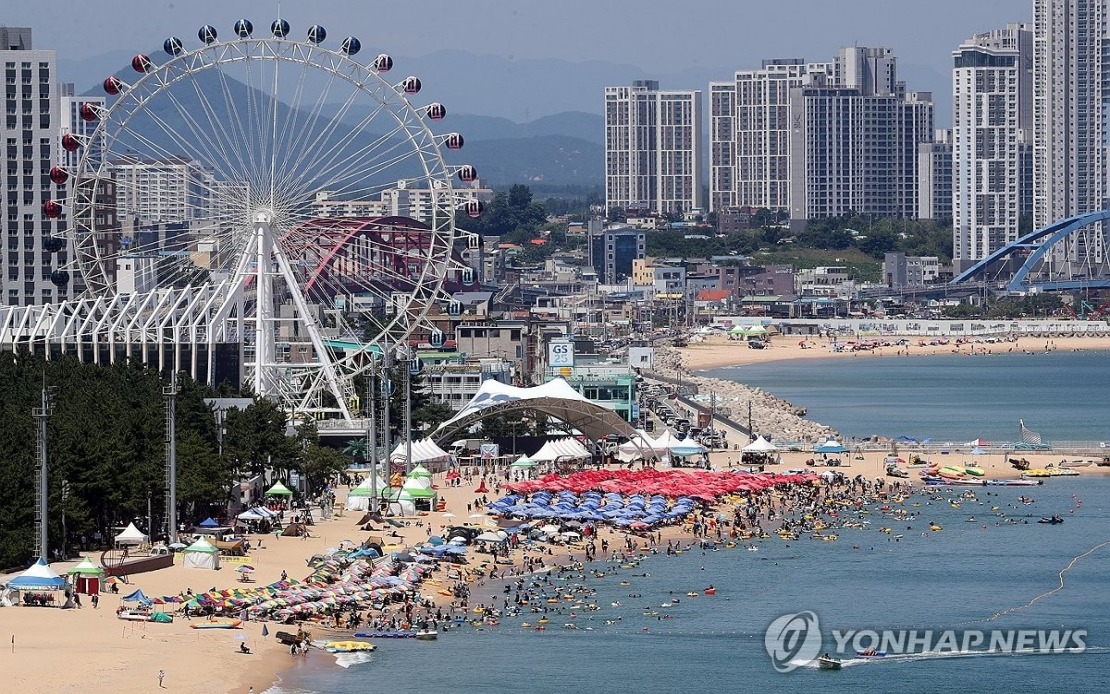
South Korea is grappling with a severe heat wave that has shattered temperature records, with the southeastern city of Yangsan recording a blistering 42.5 degrees Celsius on Sunday. This marks the highest temperature the Korean Peninsula has experienced since systematic weather monitoring began in 1904, according to data compiled by the Korea Meteorological Administration across its network of 97 long-term observation stations. The extreme reading underscores the intensifying climate pressures affecting East Asia and has prompted urgent action from Seoul's government.
The heat in Yangsan, situated roughly 310 kilometres southeast of the capital, climbed steadily throughout Sunday afternoon. The mercury first breached the 42-degree threshold at 1:16 p.m. before climbing further to the record high just ten minutes later at 1:26 p.m. The timing of successive temperature spikes reveals a concerning pattern: each day the mercury crosses above 40 degrees Celsius earlier than the previous day, suggesting that heat continues accumulating in the region. Meteorologists fear that if this trend persists, temperatures could potentially exceed 43 degrees Celsius, pushing into uncharted territory for the Korean Peninsula.
The southeastern region is experiencing particularly severe conditions. Yangsan has now endured five consecutive days with temperatures exceeding 40 degrees Celsius, while nearby Gyeongju, approximately 240 kilometres southeast of Seoul, also crossed the 40-degree barrier for the first time this year on Sunday afternoon, reaching 40.2 degrees. This reading represents the city's hottest day in eight years, surpassing the previous benchmark of 39.8 degrees recorded in 2018. The concentration of record-breaking temperatures in South Korea's southeast highlights how extreme heat events are becoming more localized and intense rather than evenly distributed.
Facing an unprecedented crisis, South Korea's government mobilized its disaster response infrastructure on Sunday afternoon. Authorities activated a "Level 2" emergency operation of the disaster response headquarters beginning at 1 p.m., signalling the severity of the situation and enabling coordinated action across all government agencies. Prime Minister Han Seong-sook issued emergency directives instructing all central government ministries and provincial authorities to prioritize safety inspections targeting vulnerable populations who face the greatest risk during extreme heat events. These groups typically include the elderly, individuals with chronic health conditions, outdoor workers, and those experiencing homelessness.
Beyond targeted protection measures, the government emphasized maintaining essential services that become critical during heat waves. Authorities focused on ensuring uninterrupted power supply to prevent blackouts that could disrupt air conditioning and medical equipment, while simultaneously securing stable water distribution. The public was advised to minimize outdoor activities and adhere to established heat safety protocols, including remaining indoors during peak heat hours, staying hydrated, and monitoring vulnerable family members and neighbours.
This heat wave carries significant implications for Southeast Asia beyond South Korea's borders. The region regularly experiences seasonal heat, but the pattern of record-breaking temperatures in developed economies like South Korea suggests that climate change is intensifying heat extremes across the broader East Asian monsoon zone. Malaysia and neighbouring countries have long grappled with high temperatures and humidity, but the acceleration of extreme heat events in Korea signals that the regional climate is shifting in ways that demand policy attention across Southeast Asia.
The economic and public health dimensions of sustained extreme heat merit serious consideration for Malaysian policymakers. Countries throughout the region rely heavily on stable power supplies, tourism, and outdoor economic activities that all face disruption when temperatures become dangerous. South Korea's emergency response—focused on protecting vulnerable populations and maintaining critical infrastructure—offers a template that Southeast Asian nations might examine as heat waves intensify. The need for early warning systems, coordinated response protocols, and investment in cooling infrastructure becomes more urgent as climate variability increases.
The psychological impact of living through unprecedented heat events also deserves recognition. When people experience conditions they have never encountered before—and that exceed their historical understanding of climate—it challenges assumptions about environmental stability. For Korean citizens accustomed to predictable seasonal patterns, Sunday's record-breaking temperatures represent a stark reminder that climate expectations established over a century of observations may no longer hold true. This psychological shift, while less immediately urgent than physical heat exposure, shapes how societies plan infrastructure and prepare for future extremes.
Looking forward, the sustainability of current infrastructure in the face of accelerating heat becomes a critical question. Buildings, power grids, and public transportation systems across East Asia were designed based on historical temperature ranges that may no longer apply. South Korea's response on Sunday—emergency protocols and targeted interventions—represents managing the immediate crisis, but deeper adaptation challenges lie ahead. For Malaysia and the broader Southeast Asian region, these developments serve as an early indicator that the era of climate stability is definitively over, and that preparing for more frequent and intense heat extremes must become a central component of national planning and investment strategies.

