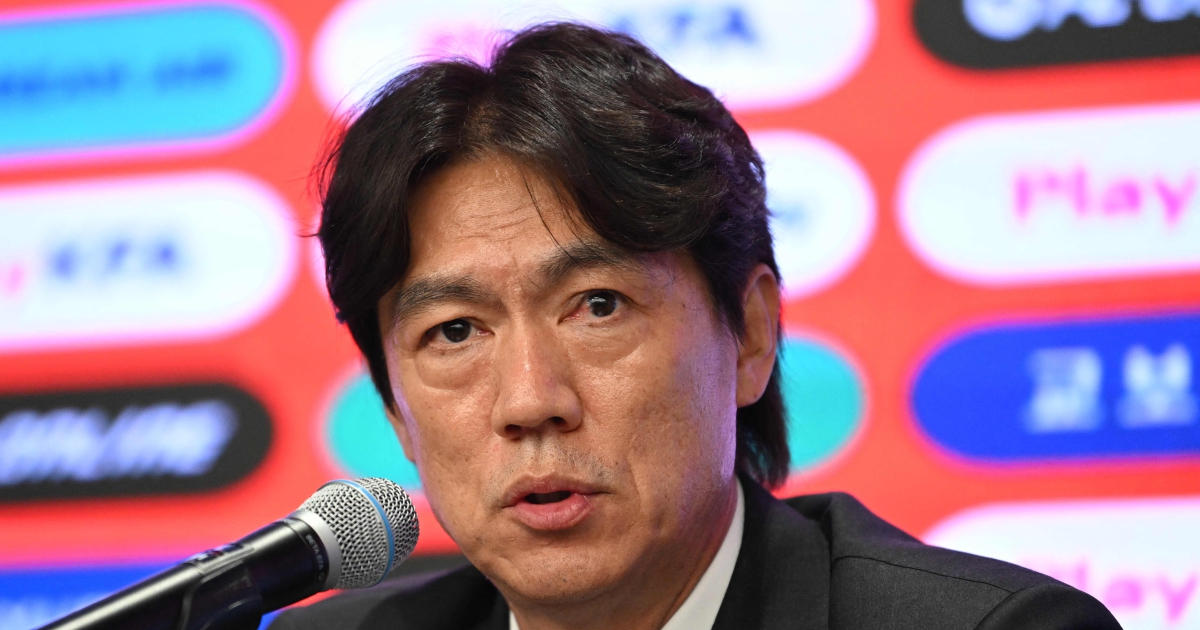
South Korean authorities have intensified scrutiny over the football association's decision-making processes, with police conducting a raid on the national federation's offices Thursday as part of a widening investigation into the appointment of the coach who oversaw the country's disappointing World Cup showing. The action marks an escalation in official concern about how the coaching position was filled and whether proper procedures were followed during the recruitment.
The investigation centres on the selection methodology employed by the Korea Football Association when choosing its World Cup coach, a process that has drawn criticism from multiple quarters given South Korea's subsequent struggles in the tournament. The poor performance on football's biggest stage has prompted questions about whether the right decision was made during the appointment process, and whether the vetting and selection procedures met appropriate standards.
South Korea's World Cup campaign fell significantly short of public expectations and historical standards for the nation, which has built a reputation as a competitive Asian football power. The team's underwhelming results have sparked widespread debate about the quality of leadership and decision-making within the country's football governance structures. Authorities appear to have determined that a formal investigation was warranted to establish whether any irregularities or breaches of protocol occurred during the coach's selection.
The raid on the football association represents a significant development in South Korean sports governance, reflecting broader concerns about transparency and accountability in how major positions within national sporting bodies are filled. Police presence at the federation's premises suggests investigators are seeking documentation and evidence related to the appointment process, interview records, and deliberations of the selection committee involved in the decision.
For Malaysian and Southeast Asian observers, the situation underscores the importance of robust institutional practices in sports management. The investigation highlights how decisions made at the highest levels of football administration can have far-reaching consequences, affecting not only national pride but also the credibility and oversight structures of sporting organisations. The scrutiny being applied to South Korea's football association serves as a reminder that even established sporting nations must maintain rigorous standards in their governance.
The World Cup performance that triggered this investigation was particularly significant because it undermined public confidence in the federation's leadership and planning. South Korea has historically been among Asia's stronger football nations, qualifying consistently for the World Cup and often advancing from group stages. The recent tournament's disappointing results therefore represented a notable departure from established expectations, prompting stakeholders to question whether the appointment of the coach had been the right choice or whether the selection process itself had been compromised.
The investigation's focus on procedural compliance and decision-making authority within the football association raises important questions about how such appointments are made in other Asian sporting bodies. Many national sports federations across Southeast Asia operate with similar structures and governance frameworks, making the South Korean case potentially instructive for regional sports management standards. The inquiry may reveal systemic vulnerabilities in how coaches are selected and vetted, information that could inform improvements elsewhere.
Police involvement in what might typically be considered a purely sporting matter indicates that investigators suspect potential criminal conduct, financial irregularities, or breaches of administrative law in the appointment process. This suggests the investigation extends beyond simple questions about coaching capability or tactical decisions, pointing instead toward governance failures or possible misconduct in how the position was offered and finalised.
The timing of the raid and investigation also reflects the political dimensions of international sports performance in South Korea. Football carries significant cultural and national prestige, and World Cup performance is closely watched by the public and political establishments. Poor results create pressure for accountability and investigation that might not be applied with the same intensity to other organisational decisions within the federation.
For South Korean football's future, this investigation carries implications beyond the immediate question of the coach's appointment. The police action and official scrutiny may prompt broader reforms in how the football association operates, potentially leading to new protocols, oversight mechanisms, and transparency requirements for major appointments. Such changes could reshape the federation's organisational structure and decision-making processes.
The investigation also raises questions about the relationship between political oversight and sporting autonomy. While accountability is important, excessive government intervention in sports administration can be counterproductive. South Korea's authorities will need to balance thorough investigation with respect for the football association's legitimate independence in sporting matters.
As the investigation progresses, attention will focus on what specific improprieties investigators are examining and whether evidence supports formal charges or disciplinary action against individuals involved in the appointment decision. The outcome could have significant consequences for the federation's leadership, future governance practices, and the coaching recruitment processes for upcoming international tournaments.

