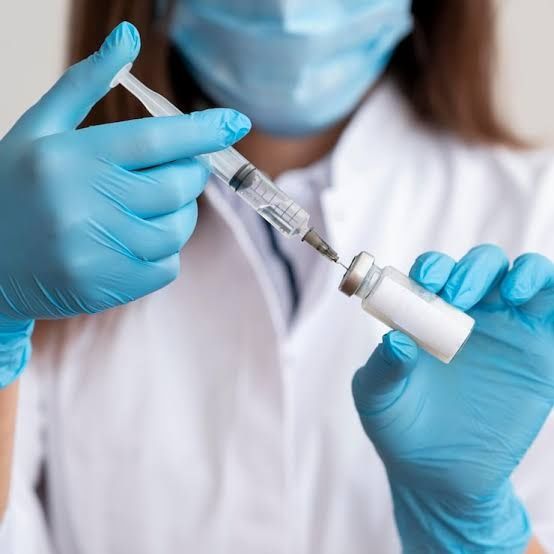
South Korean authorities arrested a nurse assistant in her twenties on July 7 after discovering she had self-administered propofol during her first shift at a dermatology clinic in Seoul's upscale Gangnam-gu district. The woman, apprehended by Seoul Gangnam Police Station, faces charges under the Narcotics Control Act as investigators determine whether the incident represents isolated misconduct or part of a pattern of substance misuse.
The circumstances surrounding the arrest reveal concerning gaps in medical facility protocols. The nurse assistant discovered a used syringe containing residual propofol in a clinical waste container and proceeded to inject herself with the remaining contents. Propofol, a potent intravenous anaesthetic agent, carries significant health risks when misused, including respiratory depression, cardiovascular complications, and potentially fatal outcomes. The brazen nature of the act—occurring on an employee's inaugural day—suggests either profound desperation or alarming ignorance regarding drug safety.
Investigators are currently determining whether the woman has engaged in habitual propofol use prior to this incident. She was released without physical detention but remains under active investigation, allowing authorities time to build a comprehensive profile of her substance use patterns. This approach, while less restrictive than jail custody, nonetheless signals the seriousness with which South Korean law enforcement treats narcotic violations.
The arrest exposes vulnerabilities in how medical institutions manage controlled substances. That a syringe containing usable propofol remained accessible in a waste bin—rather than being properly decontaminated and disposed of—demonstrates inadequate safeguarding practices. Healthcare facilities across South Korea should recognise this case as a cautionary lesson in waste management protocols for narcotics, as such lapses create opportunities for both staff and visitors to access dangerous substances.
Propofol's role in this incident is particularly alarming given its established abuse potential within healthcare settings. The drug's rapid onset and profound sedative effects create a significant addiction risk, especially for medical professionals with occupational access. South Korea's healthcare system has grappled with growing propofol dependency among medical workers, prompting calls for comprehensive institutional reforms addressing procurement, dispensing, documentation, and destruction procedures.
The broader context reveals a troubling upward trajectory in medical narcotic consumption across South Korea. Recent statistics released in June by the Drug Ministry and Korea Institute of Drug Safety and Risk Management showed that approximately 20.2 million South Koreans—nearly four in every ten citizens—received at least one prescription for a medical narcotic during 2025. This astronomical figure indicates either widespread legitimate medical need or concerning over-prescription, raising questions about how readily healthcare providers dispense controlled substances.
The prevalence of medical narcotic prescriptions creates systemic vulnerability to diversion and misuse. When such large patient populations access these drugs, tracking mechanisms become strained, and opportunities for substances to enter illicit channels proliferate. For healthcare workers like the arrested nurse assistant, occupational proximity to narcotics compounds the temptation, particularly among individuals struggling with substance use disorders or mental health challenges that might drive self-medication impulses.
Critics across South Korea's medical and policy sectors have intensified demands for stricter regulatory frameworks governing narcotic management at clinics and hospitals. These advocates emphasise that current storage, handling, and disposal procedures remain inadequate to prevent diversion. Strengthening these practices would require investment in secure storage infrastructure, rigorous documentation systems, staff training programmes, and comprehensive waste management protocols that eliminate opportunities for salvaging discarded substances.
The incident also raises employment and duty-of-care questions for the dermatology clinic where the arrest occurred. Facilities bear responsibility for establishing workplace environments that discourage substance abuse and protecting both clients and staff from risks associated with impaired workers. The clinic's failure to secure its controlled substances created the immediate condition enabling this incident, potentially exposing it to civil liability and regulatory scrutiny from South Korean health authorities.
For Malaysia and the broader Southeast Asian region, this case offers instructive parallels regarding medical narcotic governance. As healthcare systems across Asia expand and modernise, questions of how to balance legitimate clinical access with security against diversion become increasingly urgent. Malaysia's regulatory bodies overseeing pharmaceutical handling at hospitals and clinics should examine whether similar vulnerabilities exist in local institutions, particularly regarding propofol and other high-risk anaesthetics.
The case also highlights the intersection between healthcare workforce challenges and substance abuse vulnerabilities. The nurse assistant's decision to self-inject on her first day suggests possible underlying distress or existing addiction, raising questions about pre-employment health screening and occupational health support systems at South Korean clinics. Institutions must consider how to identify vulnerable employees and provide appropriate interventions before crises occur.
Going forward, South Korea faces a choice between strengthening preventive systems or accepting continued incidents of narcotic diversion and misuse. The Drug Ministry and relevant healthcare authorities should coordinate comprehensive reforms addressing the full lifecycle of medical narcotic management. Without systemic improvements, similar incidents will likely recur, and the 20.2 million patients receiving narcotics annually will remain at risk from substances diverted through inadequately secured institutional channels.

