A woman in her 30s in South Korea has been referred for prosecution following an investigation into a sophisticated ticket-scalping operation targeting K-pop concerts, the Seoul Metropolitan Police Agency announced on August 26. The suspect allegedly deployed automated macro software to circumvent purchase restrictions and acquire thousands of tickets to performances by leading Korean pop acts, then resold them at substantial markups. The case highlights a growing problem in South Asia's entertainment sector where technological sophistication enables scalpers to exploit fans' desperation for sold-out shows.
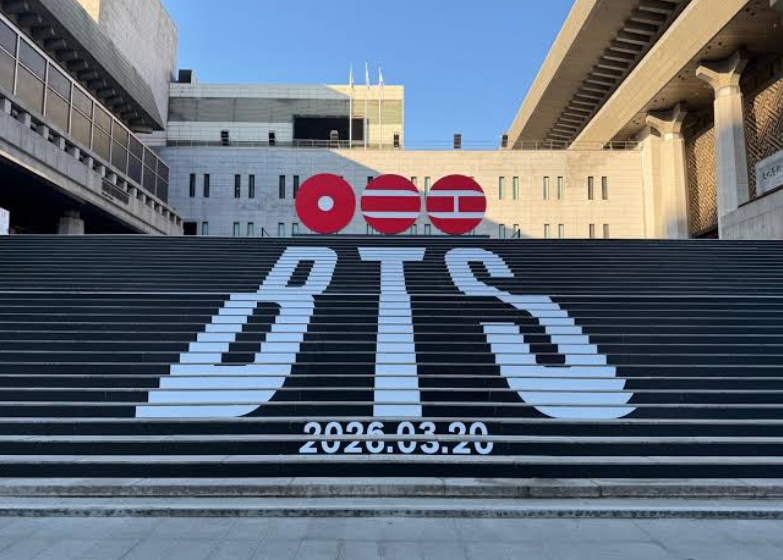
The investigation revealed that between April 2023 and March 2026, the woman systematically used automated purchasing programmes to secure approximately 2,600 tickets across multiple K-pop events. Among her alleged acquisitions were nine tickets to the highly anticipated BTS Gwanghwamun concert, which drew unprecedented demand from fans worldwide. Police uncovered the scheme while monitoring ticket sales for that particular show in February, leading to intervention before the woman could profit from the BTS resales. The case represents one of the most significant ticket-scalping investigations in South Korea's entertainment enforcement history.
To circumvent standard purchase protections, the suspect employed a multi-layered strategy that exposed vulnerabilities in existing ticket-sale systems. Most K-pop concerts in South Korea impose strict per-person ticket limits—typically one or two tickets per performance date per individual. The woman bypassed these safeguards by registering accounts under the names of relatives and acquaintances, allowing her to effectively multiply her purchasing power while remaining below individual transaction thresholds. The macro software automated the entire process, completing purchases in milliseconds and securing inventory before ordinary fans could complete manual transactions. This technological advantage created an insurmountable disadvantage for legitimate buyers attempting to attend shows through legitimate channels.
The financial scale of the operation underscores the lucrative nature of ticket scalping in the K-pop industry. Authorities estimate that the woman generated approximately 442 million won—equivalent to around US$319,000—in illegal proceeds through her scheme. Police have initiated legal proceedings to seize and preserve these criminal profits, preventing their disposal prior to trial. The substantial sums involved reflect both the premium pricing structure of K-pop concert tickets and the desperation of international and domestic fans willing to pay exponential markups for access to performances by globally renowned acts like BTS.
The Seoul case represents merely one component of a broader enforcement push. Police simultaneously announced a separate ticket-scalping investigation in Ulsan targeting another suspect in his 30s who had allegedly developed his own macro programme. Between November 2024 and October 2025, this individual purchased more than 1,700 tickets to various K-pop concerts, subsequently reselling them at prices ranging from three to thirteen times their original cost. The Ulsan suspect generated approximately 420 million won in illegal profits through this operation. The parallel cases demonstrate that ticket scalping through automated software has evolved into an organized, systematic problem affecting South Korea's entertainment economy rather than isolated, opportunistic behaviour.
These prosecutions arrive at a critical juncture for regulatory enforcement. Beginning August 28, the South Korean government implemented significantly stricter penalties designed to deter future ticket scalping. Revised provisions of the Public Performance Act and the National Sports Promotion Act now authorize authorities to impose administrative fines reaching up to fifty times the value of illegally resold tickets. This represents a dramatic escalation from previous penalty structures, transforming ticket scalping from a relatively low-risk, high-reward enterprise into a far more consequential legal violation. The timing of the regulatory change alongside these high-profile prosecutions signals coordinated governmental intent to reshape market conditions and protect consumers.
For Malaysian and Southeast Asian audiences, these developments carry particular relevance given the region's thriving K-pop fanbase and the prevalence of illegal ticketing networks operating across borders. Many Malaysian and regional fans have experienced frustration attempting to secure tickets to K-pop concerts hosted throughout Southeast Asia, often encountering inflated pricing from secondary-market scalpers. The enhanced regulatory framework and enforcement actions in South Korea may eventually influence ticketing practices and anti-scalping measures adopted by regional venues and promoters. Additionally, the investigation's technological dimension—focusing on macro software and automated purchasing systems—reflects a broader challenge facing entertainment industries globally as scalpers continuously innovate their methods.
The broader context reveals tensions between technological capability and consumer protection in the entertainment sector. Ticketing platforms face mounting pressure to implement security measures sophisticated enough to prevent automated purchasing while remaining user-friendly for legitimate customers navigating normal purchase flows. The Seoul and Ulsan cases demonstrate that existing systems remain vulnerable to determined, technically proficient operators. Concert organizers, promoters, and ticketing companies must continuously evolve their defences, incorporating machine-learning algorithms, biometric verification, and sophisticated fraud-detection systems to prevent similar schemes.
These prosecutions also reflect the cultural and economic significance of K-pop within South Korean society and its global reach. The BTS Gwanghwamun concert that triggered the initial investigation exemplifies the unprecedented demand for performances by the world's leading K-pop acts. The shortage of available tickets relative to demand creates the economic conditions enabling scalping operations to thrive. As K-pop continues its international expansion, particularly throughout Southeast Asia, similar ticket-scalping challenges will likely emerge in regional markets, potentially requiring coordinated enforcement responses across multiple jurisdictions.

