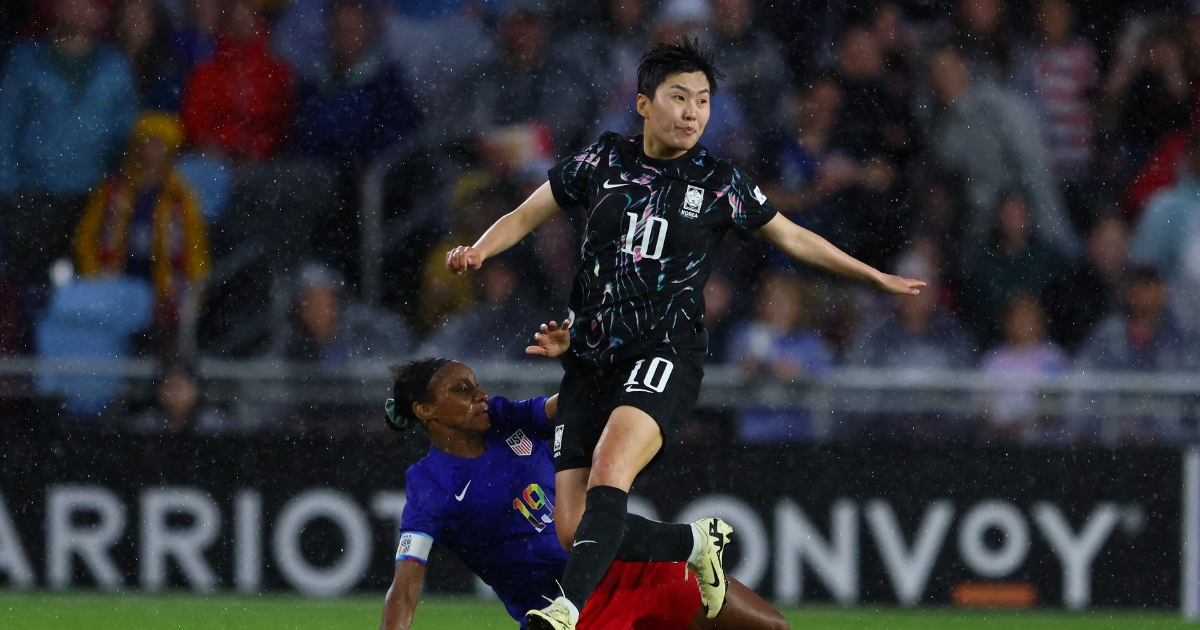
South Korea's women's football federation has initiated a formal investigation into allegations involving offensive comments made by a referee during a domestic match. The controversy centres on claims that a female match official directed an insulting remark about menstruation towards Ji So-yun, the accomplished midfielder who previously played for English professional club Chelsea, during the course of play.
The federation's decision to launch the probe comes amid growing scrutiny of conduct standards within the sport, particularly regarding how match officials interact with players on the field. The allegation, if substantiated, would represent a significant breach of professional behaviour expected in competitive football environments. Such incidents underscore broader concerns about respect and dignity in sports administration across the region.
Ji So-yun's distinguished career has made her a prominent figure in women's football across Asia. Her experience at Chelsea, one of Europe's elite women's clubs, elevated her profile considerably and brought greater international attention to the quality of Korean women's football. The midfielder's standing as a respected player makes the alleged incident particularly noteworthy, as it involves someone with substantial experience in professional environments where such conduct would be wholly unacceptable.
The investigation represents a formal acknowledgment by football authorities that the behaviour in question warrants scrutiny. Korean sports bodies have increasingly emphasised the importance of maintaining professional standards and creating inclusive environments where female athletes can compete without facing disrespect or discrimination. This case reflects those evolving expectations.
Match officials occupy positions of considerable authority on the field, and their conduct sets the tone for how players interact with one another and with the sport itself. The allegations suggest a lapse in the professionalism expected from those entrusted with enforcing the rules. Referee conduct directly influences whether sporting environments feel welcoming and respectful to all participants, particularly for women in a sport still working to achieve full parity in investment and recognition.
The incident also highlights how comments about biological functions can constitute harassment in professional contexts. What might be framed as casual banter in some settings crosses into inappropriate territory when deployed to demean or undermine a player's focus, performance, or legitimacy in competitive sport. Such remarks reflect outdated attitudes that have no place in modern athletics.
For Southeast Asian women's football more broadly, incidents like this carry implications beyond a single match or player. Regional federations are increasingly conscious that how they respond to allegations involving conduct sets precedents for behaviour standards throughout the sport. South Korea's investigation demonstrates that authorities take such matters seriously, which can encourage reporting of similar incidents elsewhere and help establish that unacceptable behaviour will face consequences.
The timing of the federation's announcement comes as women's football continues its steady growth in popularity and investment across Asia. Major tournaments and broadcasting deals have elevated the sport's profile substantially. Simultaneously, the sport faces challenges in ensuring that rapid growth translates into improved conditions for players in terms of salary, respect, and professional treatment. Conduct investigations like this one form part of that broader modernisation process.
The federation's response will likely be observed closely by other stakeholders in Korean football and beyond. How thoroughly the investigation is conducted and what sanctions or recommendations emerge will signal the severity with which such conduct is treated. These processes matter not only for the individuals involved but also for establishing cultural norms that prioritise respect and professionalism.
Comments about menstruation have occasionally surfaced in sports controversies, typically drawing criticism from athletes and advocates who point out their irrelevance to athletic performance and their function as a form of gendered disrespect. In football specifically, where match officials wield considerable power to shape the atmosphere and tone of play, such remarks from a referee carry particular weight and implications for power dynamics on the field.
The investigation's scope and findings may also influence discussions about referee training, particularly regarding appropriate language and professional boundaries. Many sports organisations have recognised that developing comprehensive standards around respectful communication benefits all participants and contributes to more professional and inclusive competitive environments.
Ji So-yun's career trajectory and accomplishments position her as someone whose voice carries weight in discussions about standards in women's football. The allegations involving her have therefore attracted attention that might not accompany similar incidents involving less prominent players, a reality that underscores both the platform that elite athletes possess and the persistent challenges that less prominent competitors may face without drawing the same level of scrutiny.

