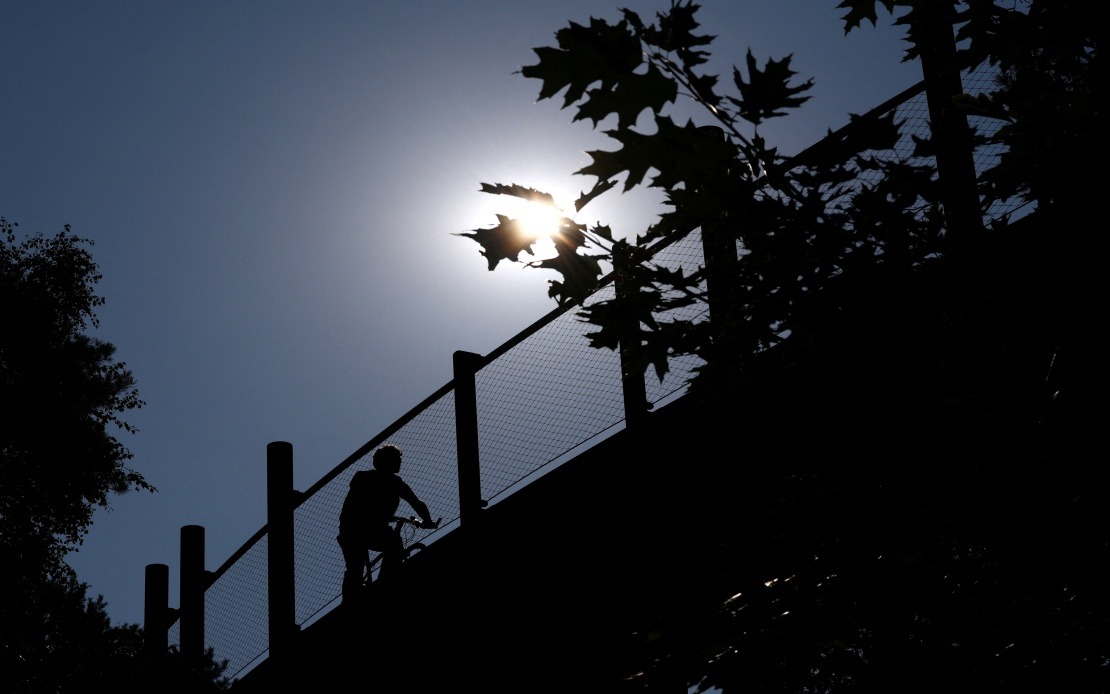
South Korea is facing an escalating public health crisis as the nation grapples with a severe heat wave that has claimed 21 lives so far this year. While authorities had documented 2,441 emergency room visits for heat-related conditions by early August, the more troubling trend is the rising mortality rate despite a reduction in total heat-illness cases compared to the same period last year, according to data released by the Korea Disease Control and Prevention Agency.
The shift toward higher fatalities with lower case numbers suggests that this year's heat wave may be reaching more extreme temperatures or affecting vulnerable populations more severely. The disease control authority has been systematically tracking heat-related illnesses since mid-May through its dedicated surveillance system, providing a comprehensive picture of how the nation's health system is coping with climate-driven medical emergencies. The preliminary data reveals that heat exhaustion remains the predominant concern, accounting for nearly 62 percent of all cases, followed by more severe heat stroke at just under 17 percent and heat cramps at approximately 11.5 percent.
One recent fatality highlighted the particular danger faced by agricultural workers. A 60-year-old man died on Tuesday while labouring on a farm in Eumseong County, North Chungcheong Province, underscoring the vulnerability of outdoor workers who cannot easily escape prolonged exposure to extreme temperatures. Such occupational deaths are particularly concerning in South Korea, where agricultural sectors employ significant numbers of elderly workers with limited access to cooling facilities during peak heat hours.
The concentration of extreme heat in Seoul and its surrounding metropolitan area has prompted the state weather agency to escalate alerts considerably. Early this week, authorities placed 43 percent of the greater Seoul region under the nation's highest heat alert level, signalling conditions that pose genuine danger to public health and safety. The expanded warning system reflects growing concern about cascading impacts on transportation infrastructure, power grids, and emergency response systems as temperatures soar.
Meteorological forecasts painted an alarming picture for the coming days, with Seoul expected to experience temperatures reaching 39 degrees Celsius on Thursday alone. Such extreme heat creates compounding challenges for a densely populated metropolitan area where vulnerable populations including the elderly, homeless individuals, and those without adequate air conditioning face life-threatening conditions. Urban heat island effects, created by concrete infrastructure and limited green spaces, can amplify temperatures further within city centres.
The comparison with the previous year reveals a troubling pattern. Whereas the death toll through early August 2024 has already surpassed the entire 2023 total of 20 fatalities, the number of emergency visits remains lower than the corresponding 2023 period. This divergence suggests that either people are delaying seeking medical care, or the intensity and duration of individual heat exposure events have become more severe. Public health officials must investigate whether awareness campaigns and heat-response protocols are reaching at-risk populations effectively.
South Korea's experience with extreme heat carries important lessons for the wider Southeast Asian region. As climate change intensifies weather patterns across Asia, countries like Malaysia, Thailand, and Indonesia may face similar challenges in managing heat-related health crises. The Korean disease control agency's systematic surveillance approach and tiered warning system offer a potential model for regional adaptation, though implementation would need to account for local economic conditions, healthcare infrastructure variations, and different demographic profiles across Southeast Asia.
The surge in heat-related deaths also raises questions about workplace safety standards and occupational health protections. South Korea's significant agricultural and construction sectors employ millions of workers exposed to outdoor conditions, and without stronger enforcement of mandatory rest breaks and cooling facilities during extreme heat events, mortality rates could climb further. Employers and local governments face mounting pressure to establish enforceable heat safety protocols that balance economic productivity with worker welfare.
Looking ahead, sustained high temperatures combined with humidity typical of mid-August could extend the danger period considerably. The Korea Disease Control and Prevention Agency has indicated it will continue monitoring heat-related cases throughout the remainder of the summer season, with particular attention to identifying demographic and geographic hotspots where interventions might save lives. Enhanced public communication about warning signs of heat exhaustion and heat stroke, alongside targeted support for elderly individuals living alone or in inadequate housing, represents crucial preventive work.
The persistence of this year's heat wave also underscores broader climate adaptation challenges facing developed Asian economies. South Korea's advanced healthcare system and extensive early warning infrastructure have not prevented a rising death toll, suggesting that technological and institutional responses alone are insufficient when temperatures reach dangerous extremes. Regional cooperation on climate data sharing, emergency response protocols, and public health coordination could strengthen collective resilience across Northeast and Southeast Asia as extreme heat events become more frequent.

