A high-profile chef operating one of Seoul's most celebrated restaurants now confronts potential imprisonment after prosecutors pursued criminal charges for serving black ants as a garnish on palate-cleansing sorbet. The case, heard before Seoul Western District Court this week, underscores the rigid food safety framework governing South Korea's culinary landscape, particularly as the nation's gastronomic reputation continues to attract international recognition and tourists seeking authentic experiences.
The anonymous proprietor of the two-Michelin-starred establishment stands accused of systematically violating national food safety protocols by importing and serving black ants sourced from Thailand and the United States over a nearly four-year period. Prosecutors have requested a one-year prison sentence and an additional fine of 20 million won, equivalent to approximately US$81,000, according to local media reports. The scale of the infringement is substantial: authorities documented roughly 12,000 transactions involving the ant-garnished desserts, generating approximately 120 million won in revenue until the practice ceased in January 2025.
South Korean food safety law maintains an extremely restrictive list of permitted edible insects, deliberately limiting consumption to precisely ten species, including grasshoppers and brown mealworm larvae. This regulatory approach reflects broader government concerns about food contamination, ingredient traceability, and consumer protection. The stringency of these regulations means that even experimental culinary applications face severe legal consequences. The restaurant's decision to source insects from international suppliers rather than approved domestic channels compounded the violation, as authorities can verify neither the production standards nor the safety protocols governing the imported ants.
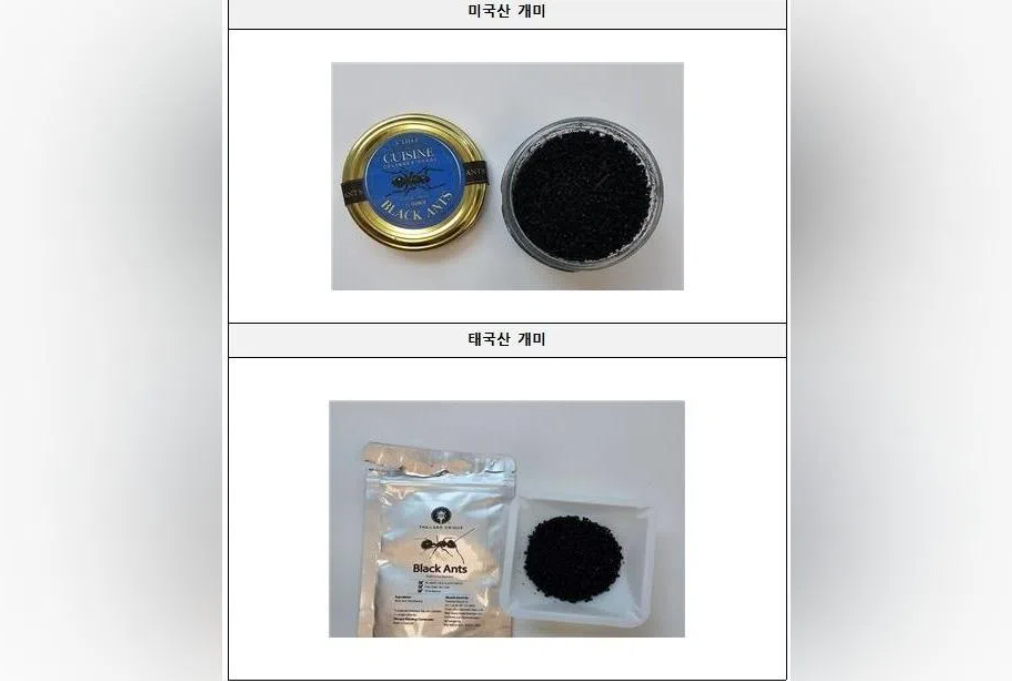
According to ministry documentation, the chef incorporated three to five ants per sorbet specifically to introduce sourness as a flavour element within the dish. This culinary rationale, while perhaps reflecting contemporary molecular gastronomy trends that emphasise unusual taste sensations, carried no legal weight. The Seoul food safety ministry launched its investigation following the discovery of evidence including photographs of containers labelled "Cuisine Black Ants" in distinctive round tins, establishing clear intent and systematic procurement rather than isolated experimentation.
The case reveals tensions between South Korea's ambitions as a culinary destination and its protective regulatory stance. As the nation invests considerably in promoting its food culture internationally and attracting fine-dining tourism, strict enforcement of decades-old regulations can appear at odds with creative expression. The Michelin guide's presence in Seoul since 2016 has elevated the city's gastronomic profile, yet restaurants operating under these accolades remain subject to exactly the same prohibitive food safety framework as conventional establishments, creating challenges for chefs seeking innovation.
The defendant's legal strategy centred on informed consent, with defence lawyers emphasising that patrons received advance notification before consuming the ant-garnished confections. This argument, while potentially demonstrating some transparency, ultimately conflicts with the absolute nature of the regulatory violation itself. South Korean food law does not permit exceptions based on customer knowledge or voluntary participation; the unapproved ingredients themselves constitute the breach, regardless of disclosure practices. The defendant's closing statement acknowledged this disconnect, expressing remorse for insufficient familiarity with applicable regulations.
This case also illuminates the complex relationship between culinary innovation and regulatory compliance across East Asia. While some jurisdictions embrace experimental food practices or permit broader insect consumption as part of food security initiatives, South Korea has maintained conservative approval standards. The contrast becomes particularly stark given that insects represent increasingly mainstream protein sources in many countries, yet remain tightly controlled in this market. International chefs operating in Seoul must navigate these restrictions carefully, as the reputational consequences of regulatory violation extend beyond individual prosecution to affect restaurant credibility and Michelin standing.
The two-Michelin-star designation that initially distinguished the restaurant now underscores the severity of the violation. Michelin-starred establishments operate under elevated scrutiny from food safety authorities precisely because their prominence creates higher public visibility and influence. A breach at this level carries different symbolic weight than violations at lesser-known venues. The guide's standards for awarding stars emphasise technical mastery and ingredient quality, yet they cannot override national food safety protocols that govern what constitutes permissible ingredients.
For Malaysian readers and Southeast Asian food professionals, this case serves as cautionary reminder of the divergent regulatory environments governing restaurant operations across the region. While Malaysia maintains its own food safety standards administered through the Ministry of Health, the strict enforcement visible in South Korea demonstrates how quickly culinary experimentation can escalate into serious legal liability. What might be perceived as harmless innovation in one jurisdiction becomes criminal conduct in another, particularly when imported ingredients bypass domestic approval mechanisms.
The Seoul court is scheduled to deliver its ruling in early September, a decision that will likely reinforce current enforcement patterns and discourage similar violations. Should the judges impose the full sentence requested by prosecutors, it would send unmistakable signals about the non-negotiable nature of food safety compliance, even within fine-dining contexts. The case ultimately illustrates that regulatory frameworks, however restrictive they may appear to culinary progressives, exist because enforcement mechanisms in South Korea operate with considerable force and consistency.
Beyond the immediate legal outcome, this prosecution reflects broader governmental commitment to maintaining public health through ingredient control. The identification and documentation of the illicit ant supply chain, the systematic accounting of sales figures, and the careful preservation of evidence all demonstrate sophisticated regulatory capacity. For restaurateurs across Asia seeking to experiment with unconventional ingredients, particularly those imported from international sources, the implications are clear: regulatory authorities possess the investigative resources and prosecutorial will to pursue violations aggressively, and claimed culinary merit or informed customer consent provides no legal defence against prohibited substances.

