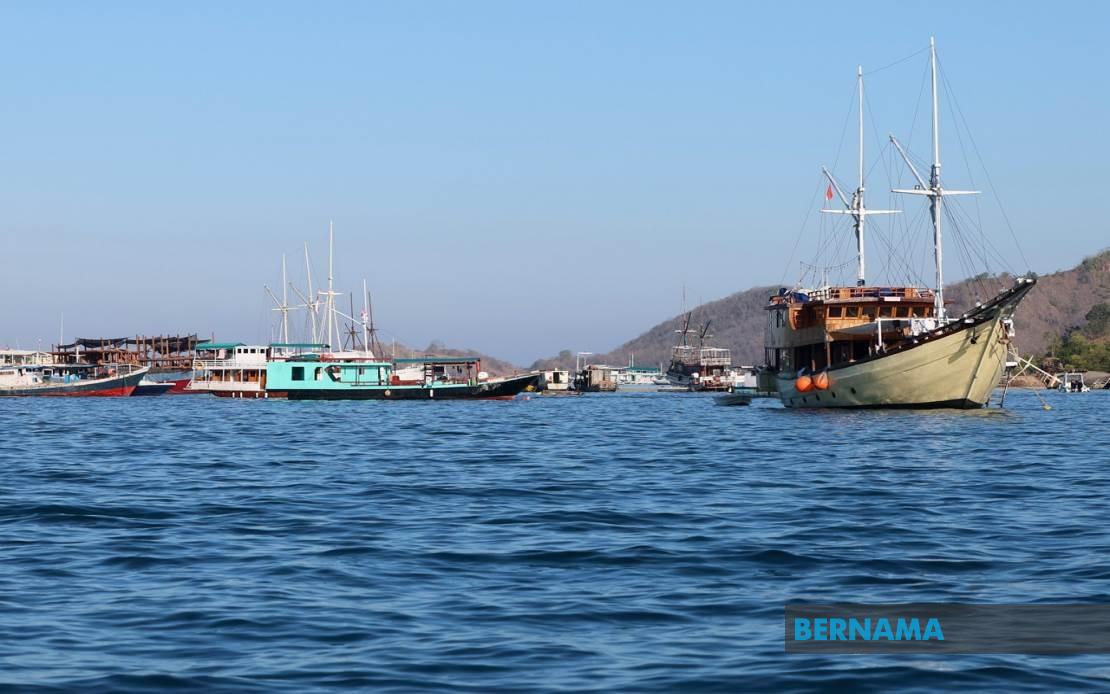
Indonesia's government has made a significant commitment to protect workers as it undertakes a major restructuring of its state-owned enterprise sector, pledging that efforts to streamline the number of SOEs from their current level to between 250 and 300 will not result in dismissals. This consolidation represents a critical moment for Southeast Asia's largest economy, as the government seeks to enhance efficiency and competitiveness within its state enterprise portfolio while navigating the delicate balance between fiscal reform and labour stability. The initiative reflects broader efforts across the region to modernise public sector management, though the success of such restructuring often hinges on implementation capacity and the government's ability to manage workforce transitions through retraining and redeployment rather than outright termination.
However, labour market stability remains fragile in parts of Indonesia. The National Police have arrested dozens of demonstrators in Surabaya, East Java, following a protest rally that targeted President Prabowo Subianto's policy direction. The incident underscores the tension between the government's reform agenda and public dissatisfaction with certain policy choices, a pattern that continues to characterise political discourse across several Southeast Asian nations. Such confrontations between security forces and activists raise questions about the space for legitimate dissent and the government's approach to managing civil society engagement during periods of significant economic restructuring.
Myanmar's recovery from the devastating March 2025 earthquake has progressed substantially, with reconstruction efforts demonstrating both the scale of the original damage and the determination to restore cultural and religious heritage. Approximately 175 ancient pagodas, stupas, temples and religious buildings have been fully repaired following the natural disaster, though this figure represents only a fraction of the 1,799 religious structures that sustained damage. The restoration efforts carry symbolic significance in Myanmar, where Buddhist and other religious sites hold profound cultural importance and serve as anchors for community identity. The pace of reconstruction, while noteworthy, also highlights the ongoing challenge of managing extensive post-disaster recovery across a nation with limited fiscal resources.
Beyond physical reconstruction, Myanmar is pursuing economic modernisation through digital transformation initiatives targeting its micro, small and medium enterprise sector. Businesses across the country have been encouraged to embrace digital technologies as a means of improving operational efficiency and market access. This push aligns with Myanmar's Digital Economy 2030-2031 agenda, a forward-looking strategy designed to position the nation's private sector to compete in increasingly technology-dependent markets. For Malaysian and other regional investors, Myanmar's digital agenda presents both opportunities and considerations regarding the pace of technological adoption and the infrastructure requirements needed to support a more digitally integrated business environment.
The Philippines has reported significant security achievements in its southern regions, with the Southern Luzon Command announcing major gains in its peace campaign. The declaration of Calabarzon as a Stable Internal Peace and Security region follows the marked decline of communist insurgency activities in the area, representing progress in a conflict that has shaped Philippine politics and security concerns for decades. This development suggests that sustained counter-insurgency efforts, combined with development initiatives, may be creating conditions for reduced violence in traditionally troubled zones. The broader implications for the region are noteworthy, as successful peace consolidation in one country can inform approaches elsewhere in Southeast Asia where similar internal security challenges persist.
Yet tensions persist in the South China Sea arena, where the Philippines continues to assert its position on maritime disputes with China. Department of National Defence Secretary Gilberto Teodoro Jr. has characterised the Chinese Embassy's rejection of the Department of Foreign Affairs' statement regarding the 2016 Arbitral Award as evidence of insincerity and duplicity. The award, delivered by a United Nations-backed tribunal, ruled substantially in favour of the Philippines' maritime claims, yet China has consistently rejected its validity. This ongoing diplomatic dispute reflects the frozen nature of many South China Sea issues and the gap between international legal mechanisms and Beijing's willingness to accept their outcomes, a dynamic that remains central to regional stability calculations.
Vietnam, meanwhile, is demonstrating commitment to institutional modernisation in the property sector through the introduction of a national housing and real estate market information system commencing July 1. The system will assign unique identification codes to every property, aimed at improving transparency and management while curtailing speculative activities. This initiative addresses longstanding concerns about real estate market opacity and the need for better regulatory oversight in a sector that has attracted substantial domestic and foreign investment. For the region's property investors and developers, Vietnam's move towards standardised property identification represents a maturation of market infrastructure and the potential for more predictable regulatory environments.
Vietnam is also extending humanitarian assistance beyond its borders, dispatching a 41-member search-and-rescue team to earthquake-affected Venezuela. The mission will support rescue operations and post-disaster recovery efforts, demonstrating Vietnam's engagement in international humanitarian cooperation. Such initiatives reflect how Southeast Asian nations increasingly view disaster response as part of their broader foreign policy toolkit, building relationships through concrete assistance during emergencies. The deployment also illustrates the technical capabilities that several regional nations have developed in disaster management, skills increasingly valuable as climate change intensifies the frequency of natural disasters globally.
Taken together, these developments across Indonesia, Myanmar, the Philippines and Vietnam reveal a Southeast Asian region navigating multiple simultaneous challenges: structural economic reform, post-disaster reconstruction, internal security consolidation, maritime dispute management, and institutional modernisation. The success or failure of these initiatives will shape not only individual national trajectories but also the region's broader political and economic trajectory over the coming years. Malaysian policymakers and investors should note that the outcomes in these neighbouring countries will likely create both opportunities and risks for Malaysia's own regional engagement, whether through trade partnerships, investment flows or security cooperation frameworks.

