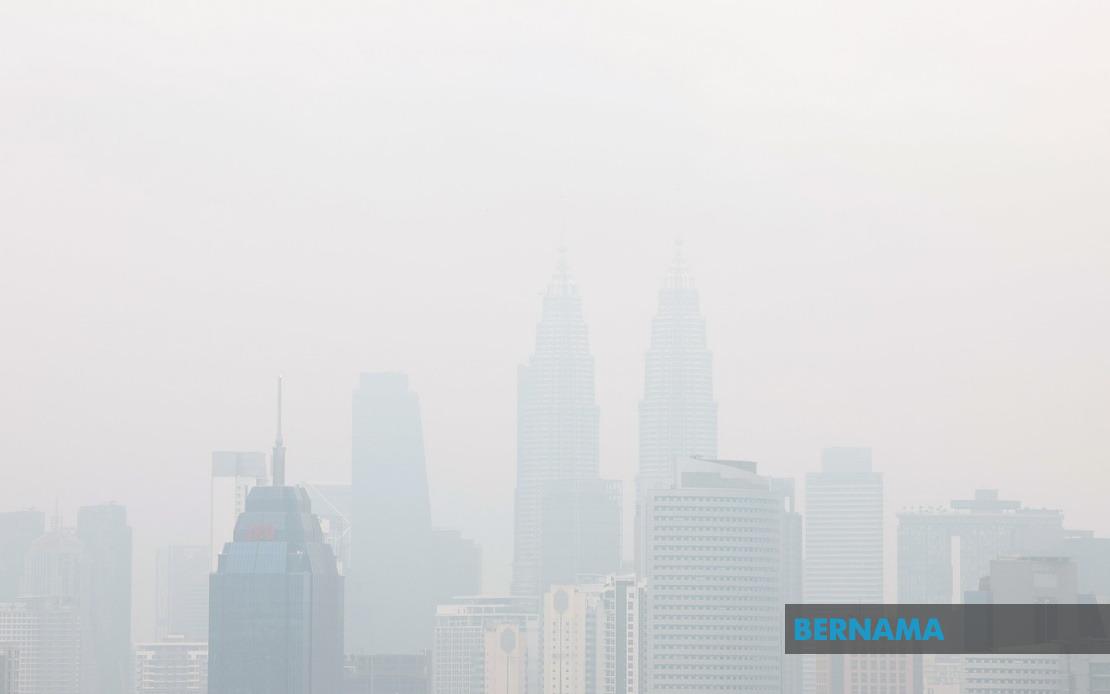
The sprawling haze crisis engulfing southern ASEAN faces a critical juncture as meteorological forecasts point toward sustained dry weather that could significantly degrade air quality across the region in coming days. According to the ASEAN Specialised Meteorological Centre, the convergence of persistent drought conditions and active biomass burning has already pushed air pollutant levels into the unhealthy category across multiple jurisdictions, including western Peninsular Malaysia and Sarawak, with the situation potentially deteriorating further if current weather patterns hold.
The gravitational centre of the haze phenomenon remains the Indonesian archipelago, where intensive smoke generation continues unabated across several provinces. The ASMC documented moderate to dense smoke plumes billowing from West, Central and South Kalimantan as well as the central and southern stretches of Sumatra, accompanied by scattered to isolated hotspot clusters scattered throughout Indonesian territory. These burning areas serve as the primary source for the transboundary pollution now affecting neighbouring countries, a recurring seasonal challenge that strains regional diplomatic relations and public health resources annually.
Malaysia emerged as one of the most significantly affected nations by Wednesday morning, with air quality monitoring stations operated through the Air Pollutant Index Management System recording unhealthy readings across 17 distinct locations spanning six states plus Kuala Lumpur and Putrajaya. Sarawak bore the brunt of the episode, with three monitoring stations registering hazardous conditions—Sri Aman topped the charts at API 167, Serian district police headquarters followed closely at 166, and Samarahan recorded 162. The index measurements indicate concentrations of particulate matter and gaseous pollutants sufficiently elevated to pose health risks for vulnerable populations including children, elderly citizens, and those with pre-existing respiratory conditions.
Beyond Sarawak's concerning readings, the haze extended its reach into the peninsula's western corridor and southward regions. Multiple monitoring stations across Selangor, the federal capital Kuala Lumpur, Negeri Sembilan, Johor, Melaka, and Perak all reported API levels classified as unhealthy, underscoring the geographic sweep of this transboundary pollution event. Putrajaya, the administrative federal territory, also registered affected conditions. This spatial distribution reflects the complex atmospheric dynamics governing pollutant transport, whereby prevailing wind patterns serve as invisible highways funnelling smoke and particulate matter across international boundaries.
The meteorological prognosis offered limited immediate reassurance to public health authorities and citizens alike. The ASMC specifically cautioned that should the current dry spell extend through the coming days, the hotspot and smoke haze situation could deteriorate markedly, substantially elevating the probability of worsening transboundary pollution. This predictive warning carries particular weight given the centre's technical expertise and regional monitoring capabilities, suggesting that the emergency phase of this episode may yet intensify rather than abate naturally.
Atmospheric circulation patterns documented by the ASMC indicated that winds across southern ASEAN would predominantly originate from the southeast to southwest during the forecast period. Such directional flows tend to funnel Indonesian pollution toward Malaysian territories, particularly the peninsula's west coast and Borneo's western regions, which align precisely with the areas experiencing the most acute impacts. This wind trajectory dynamic proves crucial for understanding why certain Malaysian jurisdictions experience severe haze while others remain relatively spared.
Singapore, positioned further south and slightly removed from the primary pollution plume's trajectory, registered meaningfully better conditions during the same period. The city-state's National Environment Agency documented moderate-range air quality with the 24-hour Pollutant Standards Index fluctuating between 59 and 78 as of afternoon on Wednesday, with the central region capturing the highest measurements. These figures, whilst substantially elevated above pristine baseline conditions, remained well below the unhealthy thresholds afflicting Malaysian monitoring stations and represented a considerably less acute public health emergency for Singapore's dense population.
The ASMC's analysis underscores a recurring pattern whereby ASEAN nations remain hostage to meteorological vagaries and Indonesia's fire management challenges. The transboundary haze phenomenon represents a complex regional governance failure wherein one country's land-use practices and environmental enforcement weaknesses impose substantial negative externalities upon neighbouring sovereignties. Malaysia, Singapore, and Brunei bear the health costs and economic disruptions—closed schools, hospital admissions, flight delays, reduced productivity—whilst the primary responsibility for fire prevention and suppression rests with Indonesian authorities.
For Malaysian policymakers and public health officials, the current episode illustrates both the predictability and the persistence of this seasonal affliction. The haze emerges reliably during dry periods, follows meteorologically explicable patterns, and generates quantifiable health impacts. Yet transnational coordination mechanisms designed to mitigate the problem have demonstrated limited effectiveness over decades. Diplomatic efforts, monitoring agreements, and technical cooperation have failed to prevent recurrent episodes, suggesting systemic inadequacies in enforcement capacity or political will on the Indonesian side.
The public messaging challenge facing Malaysian authorities involves balancing transparent communication about health risks with avoiding panic that might overwhelm healthcare systems or trigger unnecessary economic disruption. The unhealthy API readings warrant genuine concern, particularly for outdoor workers, children, and elderly citizens, yet the situation, though serious, represents a manageable public health event rather than a catastrophic crisis. Recommendations to reduce outdoor exertion, wear appropriate respiratory protection, and monitor vulnerable individuals remain standard protocol.
Looking forward, the meteorological community watches intently for potential weather system movements that might interrupt the current dry pattern. Monsoonal shifts, tropical storm systems, or frontal disturbances could introduce precipitation that would both suppress existing hotspot activity and cleanse the atmosphere of accumulated pollutants. However, depending upon seasonal timing and system intensity, such developments might remain days or weeks away, leaving Malaysia and surrounding regions in a holding pattern of degraded air quality for the near term.

