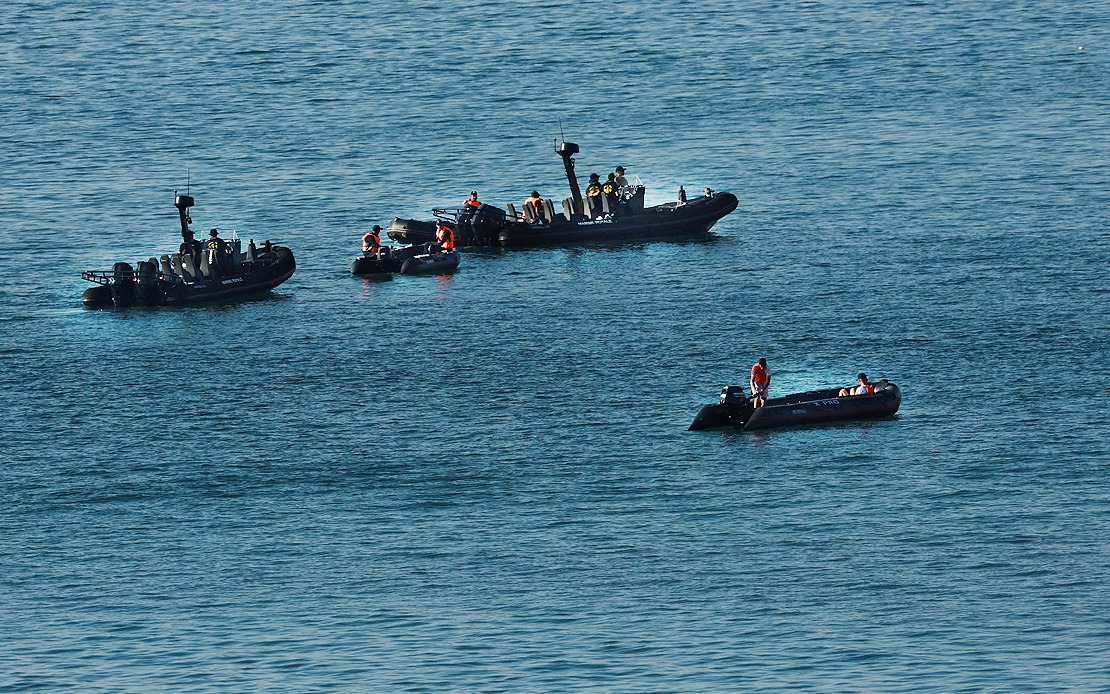
Spanish authorities have launched an ongoing search operation in the waters surrounding Ceuta after a dramatic surge in migration attempts from Morocco resulted in numerous deaths. The recovery of 67 bodies from the sea marks a tragedy linked to the recent mass movement of people attempting to reach European Union territory by swimming across the strait separating Morocco from the Spanish North African enclave.
The scale of the migration spike has been unprecedented in recent years. Within the span of just a few days, approximately 50,000 migrants successfully crossed from Morocco into Ceuta, a territory with a resident population of roughly 85,000 people. This sudden influx overwhelmed local infrastructure and raised immediate concerns about both humanitarian and security implications. The sheer numbers involved underscored the desperation driving people to attempt dangerous sea crossings and the limited capacity of even developed nations to manage such mass movements.
In response to the unfolding crisis, Spanish authorities have begun preparing facilities to accommodate up to 200 bodies, anticipating that the death toll could rise further as search efforts continue. This preparation reflects grim expectations about how many more victims may be discovered in coming days and weeks. The availability of such facilities signals official acknowledgment that the tragedy extends beyond those already accounted for, with numerous individuals still unaccounted for or feared lost at sea.
The political ramifications of the crisis have reverberated across Spain and the wider European Union. Several EU leaders have leveled sharp criticism at Spain's left-wing government in Madrid, questioning its handling of both the immediate emergency response and the longer-term border management strategies that may have inadvertently encouraged the mass crossing attempt. These criticisms reflect broader tensions within Europe over migration policy, national sovereignty, and the burden-sharing responsibilities that should guide collective action on border security.
While most of the migrants who entered Ceuta have since voluntarily returned to Morocco, the damage from the crisis persists. The deaths at sea, the strain on local services, and the diplomatic tensions it created highlight the vulnerabilities in Spain's border enforcement and the complex legal landscape governing migration in the region. Officials acknowledge that reversing the decision made by many migrants to return home requires continued dialogue with Moroccan authorities and careful management of expectations.
In an effort to prevent similar surges and close legal loopholes, Spanish authorities have deployed workers to install buoys forming a physical barrier in the sea off Ceuta. This maritime infrastructure represents a tangible policy response aimed at preventing irregular entries through water routes. By establishing a visible demarcation line, Spain seeks to enforce stricter border controls and reduce the perception that certain crossing methods might avoid standard security protocols.
The impetus for this barrier stems directly from a Spanish Supreme Court ruling that had created an unintended consequence. The court determined that individuals who enter Spanish territory irregularly by crossing through unfortified sections—particularly maritime routes—retain the right to an individual asylum assessment. This legal provision apparently signaled that sea crossings might offer a pathway to formal consideration of asylum claims, inadvertently creating an incentive structure that encouraged the dangerous crossing attempts witnessed in recent days.
By physically demarcating the maritime border with buoys, Spain aims to eliminate this ambiguity and reinforce that the entire boundary, including sea approaches, remains fortified and monitored. The barrier serves both practical and symbolic purposes: it physically impedes crossings while sending a clear message that maritime routes offer no legal advantage over land-based immigration procedures. This approach reflects an escalating strategy of using infrastructure to shape migration patterns and deter attempts at unauthorized entry.
The Ceuta crisis illustrates the interconnected nature of contemporary migration challenges in the Mediterranean region and beyond. It demonstrates how court rulings, border infrastructure, diplomatic relationships with neighboring countries, and humanitarian concerns all intersect to create complex policy dilemmas. For Southeast Asian nations monitoring global migration trends, the Spanish experience offers insights into how supply-side factors—poverty, conflict, limited opportunity in origin countries—interact with demand-side factors such as legal pathways and perceived accessibility of destination countries.
The tragedy also underscores how migration crises can rapidly escalate from administrative challenges into humanitarian emergencies with loss of life. The deaths in the waters off Ceuta represent not merely statistics but individual tragedies reflecting the desperation of people seeking better lives or fleeing difficult circumstances. The ripple effects extend beyond the immediate tragedy to encompass diplomatic tensions, legal disputes, and fundamental questions about Europe's responsibility toward vulnerable populations seeking entry.
Moving forward, Spain faces the challenge of managing multiple imperatives simultaneously: preventing future deaths through improved border management, addressing the legal framework that may have inadvertently encouraged crossings, maintaining diplomatic relationships with Morocco while enforcing national borders, and balancing humanitarian concerns with security priorities. The maritime barrier represents one tactical element in this broader strategic challenge, addressing the immediate symptom while deeper questions about migration policy, legal accessibility, and regional cooperation remain unresolved.
The Ceuta incident serves as a sobering reminder that migration management in contemporary Europe remains fraught with tensions between competing values and interests. As authorities continue their search operations and implement barrier systems, the fundamental drivers propelling tens of thousands of people to risk dangerous sea crossings persist largely unaddressed. Sustainable solutions will likely require not only border infrastructure but also coordinated regional approaches addressing root causes of migration and establishing clearer, safer pathways for those genuinely fleeing persecution or seeking economic opportunity.

