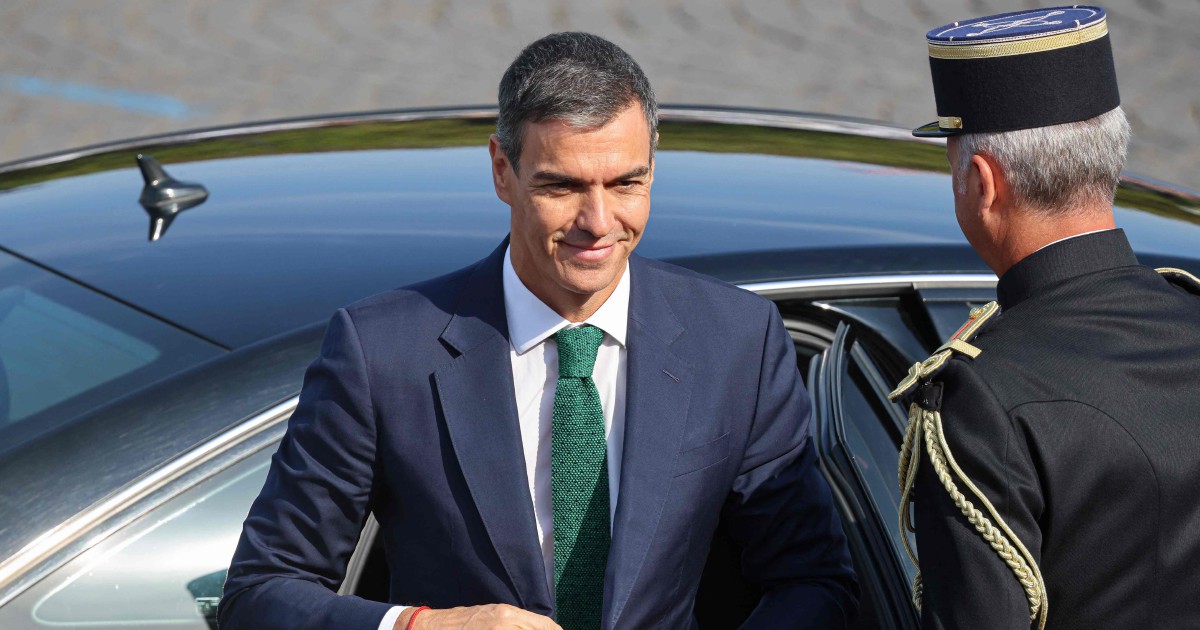
Spain's Prime Minister Pedro Sanchez has seized upon the national football team's remarkable cohesion and distinctive playing style, celebrating their qualities just days before they face Argentina in Sunday's World Cup final. The remarks come at a moment when Sanchez himself navigates significant domestic political challenges stemming from corruption allegations, making the football team's achievements a notable counterpoint to turbulence in the nation's political sphere.
Sanchez's public endorsement of the squad reflects a broader pattern in which sporting triumphs provide political breathing room for leaders facing domestic scrutiny. Spain's football federation and the broader national infrastructure have invested heavily in youth development systems and technical coaching over the past two decades, creating a pipeline of talent that has positioned the team as genuine contenders at the global stage. The prime minister's comments underscore how national sporting success transcends the playing field, offering opportunities for political figures to associate themselves with popular achievements.
The Spanish national team's distinctive identity centres on possession-based football, a philosophy refined through La Liga's dominance in European club competitions and reinforced by successful youth academy models. This tactical approach, emphasizing ball retention and technical precision, has become synonymous with Spanish football identity. Sanchez's reference to the team as "unique" suggests recognition of this identifiable brand of play that sets them apart from many rival nations who employ more direct or physically aggressive strategies.
Spain's pathway to the World Cup final represents the culmination of sustained investment in football infrastructure and coaching education. The Spanish Football Federation's commitment to developing homegrown talent through academy systems has borne fruit, with numerous players coming through established youth structures before progressing to elite club football. This systematic approach contrasts sharply with countries that rely more heavily on individual talents emerging organically from lower-tier competitions.
The upcoming final against Argentina presents a fascinating tactical and philosophical collision. Argentina's team, built around Lionel Messi's brilliance and more direct playing methods, represents a contrasting approach to Spain's methodical possession football. The match itself will essentially pit two competing visions of how modern international football should be played, with profound implications for how the sport evolves at the elite level.
For Spain specifically, reaching the final marks a resurgence after the team's disappointing earlier exit from the 2022 World Cup in Qatar, where they failed to progress from the group stage. The current campaign demonstrates the squad's capacity to rebuild and regain competitive momentum following that setback. This trajectory suggests the football programme's underlying strength remains intact despite that previous tournament's poor showing.
Sanchez's public backing of the team occurs against a backdrop of domestic political instability that could affect public morale and national unity. When prime ministers and political leaders struggle with legitimacy or face corruption allegations, national sporting success becomes particularly valuable as a unifying force. Football's ability to transcend political divisions and create momentary consensus makes it an invaluable asset for leaders seeking to strengthen bonds within their fractured societies.
The broader context of Spain's football influence extends throughout Southeast Asia and beyond, where Spanish technical coaching and tactical concepts have gained significant traction. Many football development programmes in the region actively employ coaches trained in Spanish methods, and the Spanish La Liga brand remains highly visible across regional television schedules. A World Cup victory would reinforce the global appeal and perceived superiority of Spanish footballing principles.
Argentina enters the match as strong favourites given their previous World Cup victory and the presence of Messi, whose individual genius has carried teams throughout his career. However, Spain's collective strength and refined tactical system present a genuine obstacle to an Argentina team that, while formidable, sometimes relies heavily on individual brilliance rather than systematic team cohesion. The final will ultimately test whether coordinated team structure can overcome individual excellence.
The economic implications of a World Cup triumph extend beyond broadcasting rights and sponsorships. National team success typically generates increased participation at grassroots level, boosts tourism, and reinforces Spanish brand identity globally. For a nation already known for producing elite football talent, winning the World Cup would cement that reputation for another generation.
Sanchez's strategic timing in celebrating the team's unity also addresses broader questions about national cohesion following recent political turbulence. Football provides a culturally sanctioned outlet for expressing national pride without the divisive partisan undertones that characterize other political discussions. By elevating the team's spirit and unique qualities, the prime minister aligns himself with an institution that transcends traditional political boundaries.
Spain's final preparations focus on maintaining peak physical condition while managing the psychological pressures inherent in knockout football at the tournament's culmination. The squad's experience in handling such pressure, combined with their refined technical abilities, suggests they will enter the match as more than merely ceremonial participants in Argentina's anticipated coronation.
Ultimately, Sanchez's praise for the national team reflects recognition that sporting narratives can powerfully shape public sentiment and national identity during periods of political uncertainty. Whether Spain's tactical philosophy and collective strength can overcome Argentina's championship pedigree and Messi's individual genius will provide one of international football's most compelling narratives.

