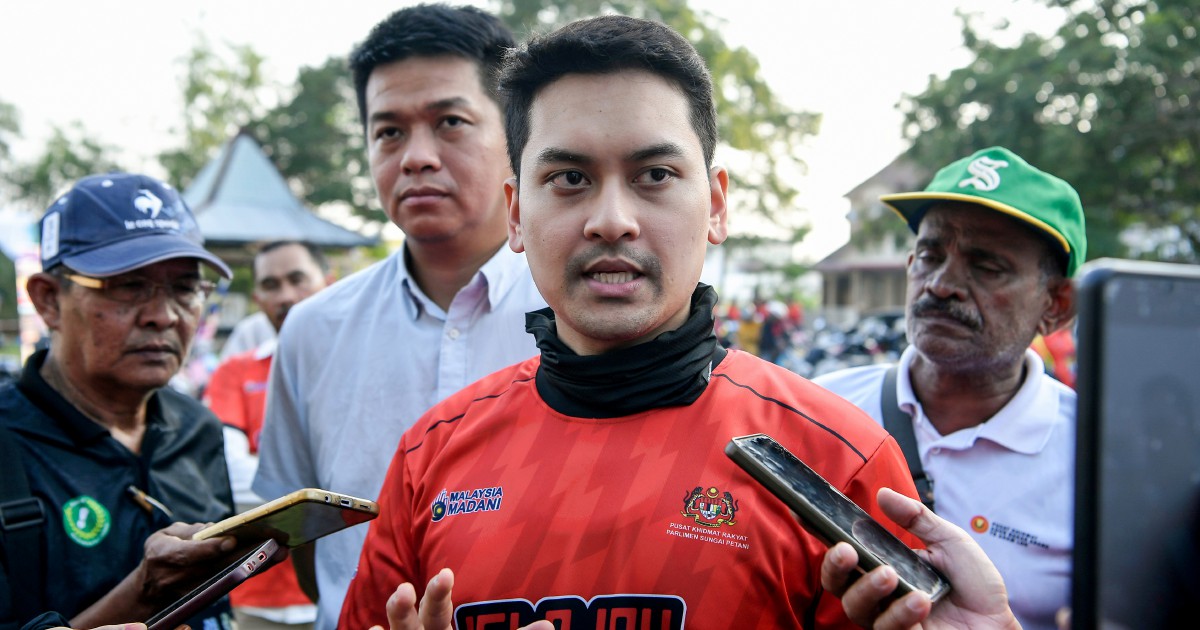
Youth and Sports Minister Dr Mohammed Taufiq Johari has demanded a comprehensive investigation into the circumstances surrounding an 11-year-old girl's death, which occurred after she participated in a sporting activity at school. The incident raises serious questions about student welfare protocols and the oversight of physical activities in Malaysian educational institutions, prompting government scrutiny at the ministerial level.
The girl's death is believed to be connected to an underlying heart condition, though the exact sequence of events that led to her passing remains under examination. According to initial reports, the child was instructed by a teacher to take part in the sporting activity, making the case particularly sensitive given the institutional context and questions about whether appropriate safeguards were in place to protect vulnerable students.
Minister Johari's intervention signals the gravity with which the government is treating the matter. The explicit call for a thorough probe suggests concerns extend beyond the immediate circumstances of the girl's death to broader systemic issues affecting student safety during school-organised physical activities. Such cases often prompt wider reviews of risk assessment procedures, medical screening, and emergency response protocols across Malaysian schools.
The involvement of Malaysia's Youth and Sports Ministry indicates that the incident will be examined not only from an educational standpoint but also through the lens of sports administration and child protection. This multi-agency approach is crucial given that the matter involves both a school environment and a sporting context, requiring expertise from multiple sectors to establish a complete picture of what transpired.
For Malaysian parents and educators, cases of this nature underscore the critical importance of medical clearance procedures before students participate in physical activities. Heart conditions in children can be asymptomatic, and questions inevitably arise about whether medical screening was conducted and whether teachers were adequately trained to recognise signs of distress or underlying health vulnerabilities in young participants.
The incident also highlights the need for clear protocols governing teacher responsibilities when supervising sporting events. Educational institutions must balance encouraging physical activity with ensuring that participation is voluntary and that students with known health conditions receive appropriate accommodations or exemptions. The instruction to participate in the activity raises questions about whether alternatives were available and whether parental consent or medical advice was sought beforehand.
In Southeast Asia more broadly, such incidents prompt discussions about regulatory frameworks governing school sports. Different nations have varying standards for medical supervision, emergency equipment availability, and staff training in first aid and cardiac response. Malaysia's response to this case may influence discussions about standardising such protections across the region's educational systems.
The case also touches on broader questions about institutional accountability. When a child dies following a school-organised activity, investigating authorities must determine whether proper duty of care was exercised and whether any negligence contributed to the tragedy. This investigation will likely examine records, witness statements, and expert medical opinion to establish a clear sequence of events and identify any systemic failures.
Parental anxiety about school safety is particularly acute when death occurs during what should be a routine, supervised activity. The incident reminds families of the importance of ensuring schools have accurate health records for their children and that open communication exists between parents, teachers, and medical professionals regarding any health concerns.
Caller's background and institutional standing may also feature in the investigation. Establishing whether the teacher acted within school policies, whether adequate supervision was present, and whether emergency services could be accessed quickly will all contribute to understanding how the tragedy unfolded. Schools are expected to maintain detailed protocols for medical emergencies during physical activities.
The minister's commitment to a thorough investigation should provide some reassurance that the matter will not be treated superficially. However, the real test will be whether findings lead to concrete changes in how schools approach student safety, medical screening, and the supervision of sporting activities involving potentially vulnerable populations.
Moving forward, this case may catalyse broader policy discussions in Malaysia about mandatory health screening programmes before school sports participation, enhanced first-aid training for teachers, and requirements for automated external defibrillators in schools. Similar tragedies in other countries have prompted such measures, and Malaysian authorities may draw on international experience to prevent future incidents.
For the bereaved family, the investigation represents an opportunity for answers, though no inquiry can undo the loss. The thoroughness of the probe will be measured not only by its conclusions but by whether it leads to meaningful reforms that protect other Malaysian children from similar preventable tragedies in school environments.

