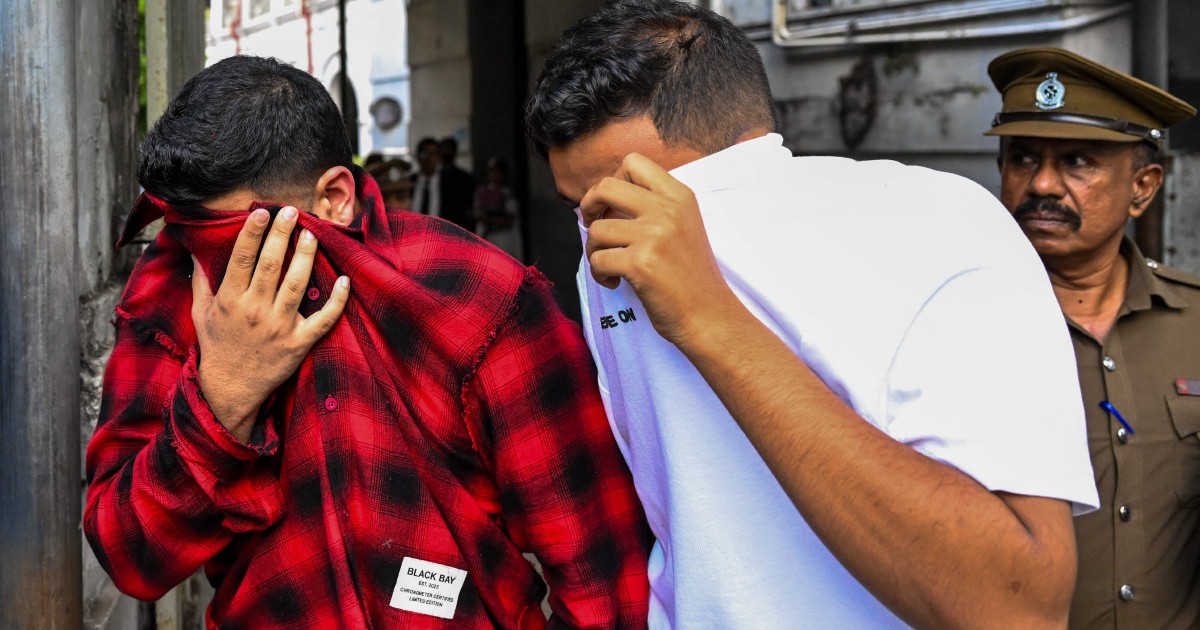
A district court in Colombo has ordered the detention of an Indian national who co-owns a Lanka Premier League franchise, following his arrest on charges related to an alleged scheme to manipulate match outcomes through player bribery. The judicial decision, handed down on Friday, keeps the accused in custody through the remainder of the month as investigations proceed into one of the most serious integrity violations to emerge from Sri Lanka's domestic cricket circuit in recent years.
The allegations paint a troubling picture of attempted corruption within the LPL, a tournament that occupies a prominent position in South Asia's burgeoning Twenty20 cricket ecosystem. The accused is alleged to have approached five cricketers with financial inducements intended to secure their cooperation in fixing match results, a practice that strikes at the heart of competitive integrity and public confidence in professional sports. Such allegations are particularly damaging to franchise-based tournaments, which depend heavily on viewer trust and investor confidence to sustain their commercial viability and attract international participation.
The Lanka Premier League, which commenced in 2017, has grown into a significant platform for domestic and regional cricket talent, attracting franchises with substantial backing and international player recruitment. The involvement of a team co-owner in alleged match-fixing represents a particularly acute concern, as it suggests manipulation may have originated from the highest levels of franchise management rather than isolated player misconduct. This elevation of the alleged conspiracy within the organizational hierarchy compounds the reputational damage to the tournament and raises uncomfortable questions about governance oversight and compliance mechanisms within the franchise structure.
For Malaysian cricket enthusiasts and the regional sporting community, this case serves as a cautionary reminder of vulnerabilities inherent in the rapid expansion of franchise cricket across South Asia. The commercial pressures and substantial financial stakes in these competitions can create incentive structures that, if inadequately monitored, may tempt individuals to pursue illicit shortcuts. The integrity of regional cricket competitions remains a collective concern across ASEAN nations, particularly as these tournaments increasingly attract cross-border investment and participation from players across Southeast Asia.
The judicial system's swift action in remanding the accused reflects Sri Lanka's commitment to prosecuting cricket corruption with appropriate seriousness. The extension of custody through the month-end period indicates the court's determination to allow investigators sufficient time to build a comprehensive case and potentially uncover the full extent of any conspiracy. Such decisive action by the judiciary sends a deterrent message to others who might contemplate similar violations within the sport.
The identity of the five players allegedly approached remains a matter of investigative concern, as authorities must now establish whether any of them accepted the bribes or whether the scheme was comprehensively rejected. The cooperation or non-cooperation of these players will fundamentally shape the trajectory of the case and determine whether additional charges may be warranted beyond those already brought against the co-owner. Questions about whether players reported the approach to authorities or whether investigators uncovered it through other means also bear significantly on how well the sport's internal reporting mechanisms are functioning.
For the franchise in question and the broader LPL organizational structure, this incident will necessitate urgent governance reforms and enhanced compliance protocols. The cricket board and tournament administrators will face mounting pressure to demonstrate that robust systems exist to detect and prevent such breaches before they can materialize. International cricket bodies may also scrutinize Sri Lankan domestic tournament operations more closely, potentially affecting the LPL's standing within the global cricketing hierarchy and its ability to attract overseas investment and player participation.
The timing of this case also reflects a broader global awakening to match-fixing risks in Twenty20 tournaments, where compressed formats and high betting volumes create particularly fertile conditions for corruption. Other countries across South and Southeast Asia hosting similar franchise competitions would be wise to examine their own regulatory frameworks and implement stricter oversight mechanisms. Malaysia's emerging cricket infrastructure, should it develop franchise-based tournaments in future, must learn from cases such as this and institute preventive measures from inception.
The legal proceedings ahead will likely establish important precedent regarding how Sri Lankan courts handle cricket corruption cases involving foreign nationals and high-profile team executives. The outcome may influence how other South Asian jurisdictions approach similar violations and could shape international cooperation protocols for addressing transnational cricket-related crimes. For stakeholders invested in the integrity of regional and global cricket, this case represents a critical moment where the rule of law and sporting governance must demonstrate their capacity to address corruption decisively and transparently.
As the investigation unfolds and evidence accumulates, the broader cricketing community across Southeast Asia will be watching closely to understand whether this represents an isolated incident or symptomatic of systemic vulnerabilities within franchise cricket structures. The answers that emerge from the Sri Lankan legal system over coming weeks may have ripple effects far beyond that nation's borders, influencing how cricket administrators and government regulators approach corruption prevention across the region.

