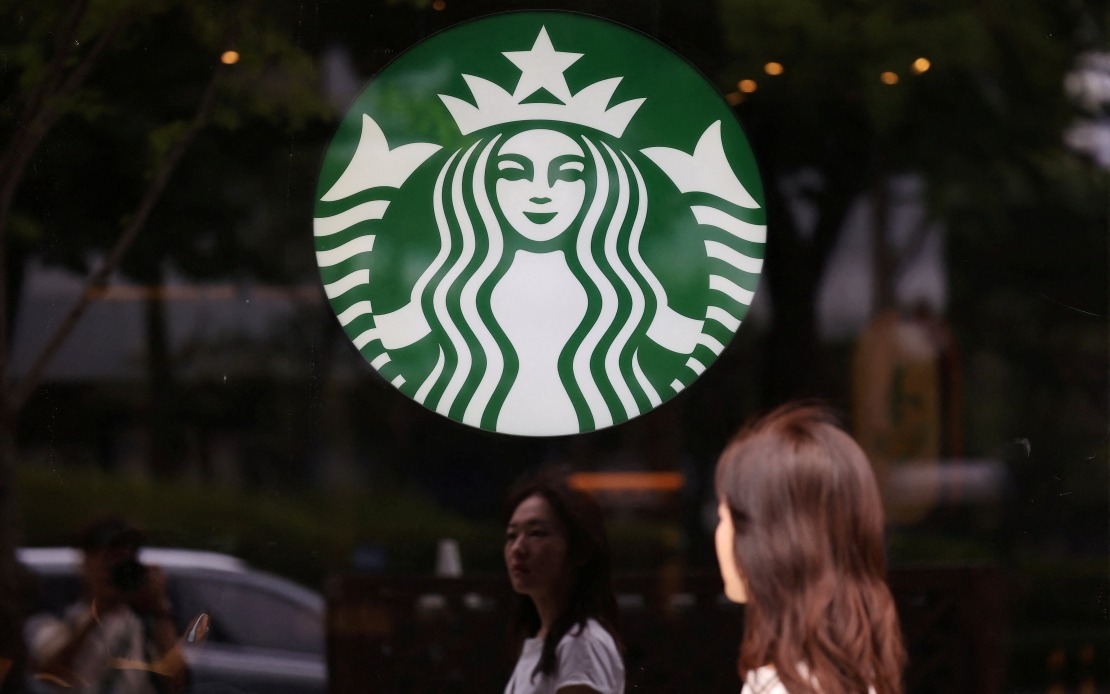
Starbucks opted for an extraordinary response to a public relations catastrophe in South Korea, completely shutting down its retail operations across the country on Monday afternoon to conduct compulsory historical education sessions for staff members. The unprecedented closure affected more than 2,000 outlets operated through Shinsegae, the Korean distributor holding the licence to operate the American coffee chain's business in the country. The decision underscores how seriously the company is treating fallout from what became one of the most contentious marketing campaigns in recent South Korean corporate history.
The controversy originated from a promotional initiative by Shinsegae last month featuring a stainless steel thermos vessel branded as the "SS Tank". In what would prove a catastrophic misstep, the company designated May 18 as "Tank Day" to coincide with the product launch. For South Koreans, this timing immediately triggered profound historical wounds: on May 18, 1980, the military regime then controlling the nation ordered armed forces to brutally suppress a civilian uprising demanding democratic reforms in the southwestern city of Gwangju. Tanks rolled through streets as soldiers opened fire on protesters, students, and ordinary citizens, resulting in hundreds of deaths—with the exact toll remaining disputed and contested by survivors' groups to this day.
The marketing gamble ignited immediate and ferocious public backlash across South Korea. Within hours of the campaign's unveiling, calls for boycotts proliferated across social media platforms and news outlets. Consumers and civic groups condemned what they perceived as a profound disrespect toward the memory of those killed during the Gwangju incident, one of the most traumatic episodes in the nation's modern democratic history. The speed and intensity of the reaction forced Shinsegae to pull the campaign after mere hours, but the damage to the company's reputation had already crystallized.
While the naming controversy involved the "SS" abbreviation—which, beyond its intended reference to stainless steel, unfortunately recalls the SS, the paramilitary organization central to Nazi genocide and authoritarian control—this aspect appeared secondary to public fury. The primary outrage centred on the perceived insensitivity of deliberately linking a commercial product to a date marking state violence against civilians seeking fundamental freedoms. For many South Koreans, the date of May 18 remains sacred ground, annually observed through national memorials and educational programs ensuring younger generations understand the costs of defending democracy.
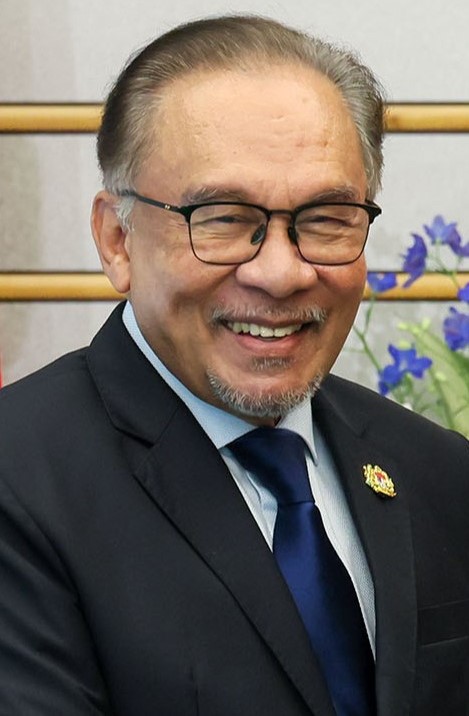
The political establishment rapidly joined public condemnation. President Lee Jae Myung publicly expressed his displeasure with corporate decision-making he characterized as unconscionable. "I am furious at the inhumane behaviour of such businesspeople," Lee posted on his X account, amplifying public sentiment and signalling that this controversy extended beyond customer relations into matters of national significance and corporate ethics. His intervention reflected how deeply such historical insensitivity resonates within South Korean political discourse.
Shinsegae moved swiftly to contain the damage through multiple channels. Company leadership issued formal apologies acknowledging the campaign's offensive nature and the pain it caused to survivors and families of Gwangju victims. Internal investigations were initiated to understand how such a culturally catastrophic marketing decision advanced past planning stages without triggering sufficient safeguards. The executive identified as responsible for the campaign faced dismissal, signalling organizational accountability to stakeholders. Officials emphasized publicly that the company harboured no intentional desire to defame or disrespect those who suffered during the 1980 crackdown, framing the disaster as a failure of institutional awareness rather than deliberate malice.
Yet apologies and personnel changes proved insufficient. Starbucks and Shinsegae recognized that genuine remediation required demonstrating deeper institutional commitment to historical understanding and social responsibility. The decision to close all Korean operations and mandate history education for thousands of employees represented an attempt to transform the scandal into a teachable moment. By investing resources in structured learning about May 18 and South Korean democratic history for staff members—many of whom, particularly younger employees, may have limited direct knowledge of the 1980 events—the company signalled willingness to move beyond damage control toward institutional culture change.
The mandatory training sessions aimed to educate workers about the historical context of May 18, help them comprehend why the campaign proved so offensive, and presumably establish stronger protocols for ensuring future marketing initiatives undergo rigorous sensitivity vetting. For a retail-heavy organization where thousands of customer-facing employees represent brand values daily, such training potentially carries meaningful organizational impact. Employees better informed about national historical trauma can serve as ambassadors for corporate cultural awareness.
Simultaneously, Seoul police opened their own investigation into the campaign's origins and decision-making processes. Law enforcement involvement signalled that authorities were examining whether the controversy involved potential violations of laws protecting national dignity or prohibiting defamation of historical victims. In South Korea, where laws specifically address historical revisionism and national security sensitivities, corporate behaviour crossing certain boundaries can invite legal scrutiny beyond civil or commercial remedies.
For regional observers, particularly Malaysian and Southeast Asian audiences, the Starbucks episode illuminates how foreign corporations operating in established democracies with historical trauma must navigate complex cultural terrain. South Korea's strong national memory around May 18—institutionalized through memorial days, educational curricula, and civic observances—creates a cultural minefield for companies lacking sufficient local historical awareness. The incident demonstrates that corporate risk management in sophisticated Asian markets increasingly requires institutional competencies in historical sensitivity and cultural awareness that extend far beyond traditional marketing and communications frameworks.
The scandal also raises questions about governance structures within multinational licensing arrangements. Shinsegae operates under franchise agreements with Starbucks, creating potential tensions between local business autonomy and parent company standards. The intensity of response suggests that even established corporations can face unexpected vulnerabilities when licensed partners make autonomous decisions without sufficient organizational safeguards. For multinationals managing complex Asian operations through local partners, the incident underscores the necessity for rigorous approval processes and cultural expertise embedded within decision-making hierarchies.
As South Korea continues processing this corporate misstep, the broader implications extend beyond coffee sales or brand reputation metrics. The episode reflects how democratic societies with specific historical wounds maintain collective memory through institutional and civic mechanisms that corporations must respect. For business leaders operating across Asia, the Starbucks experience serves as cautionary evidence that neither market dominance nor brand recognition guarantees immunity from cultural accountability when companies mishandle historically sensitive contexts.