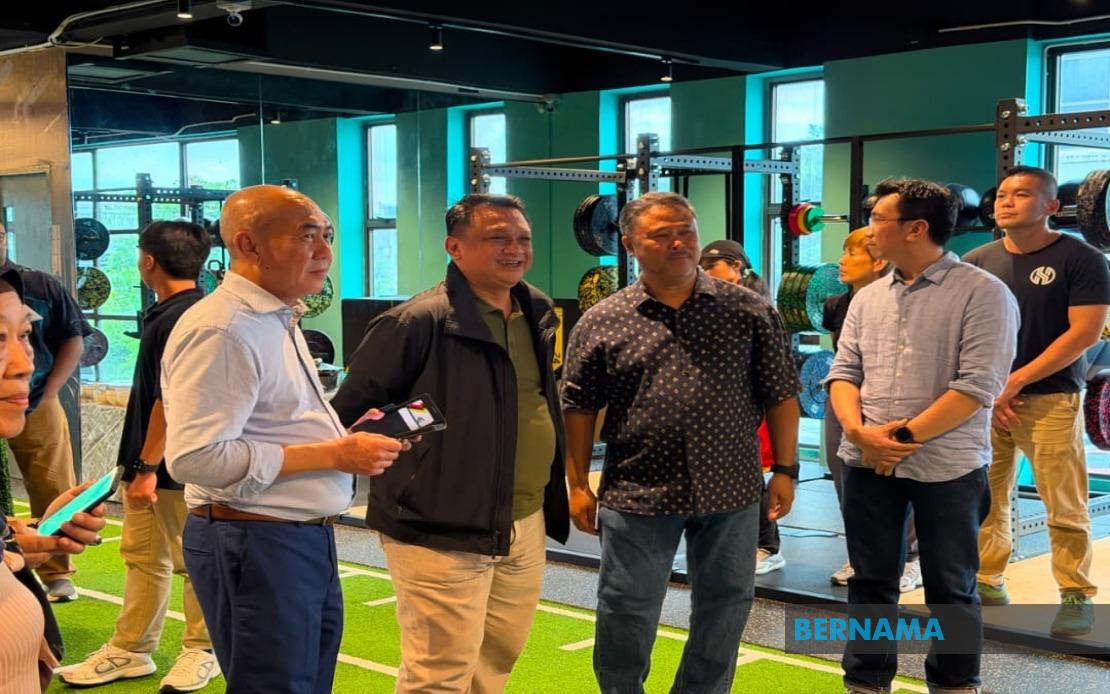
Malaysia's rapidly expanding elderly population faces a preventable health crisis, yet many senior citizens remain unaware of a simple intervention that could dramatically improve their safety and independence: structured muscle-strength training. Dr Adibah Ali, owner of FitLab gymnasium in Kuching, has taken up this cause after witnessing firsthand the devastating consequences of falls among older adults during her 22-year career as a consultant breast and endocrine surgeon at a local hospital.
The problem is both widespread and serious. Dr Adibah recalls her time working on hospital wards where elderly patients required extended stays following fall-related fractures—injuries that not only cause immediate pain and disability but often trigger cascading health complications and loss of independence. These incidents are far from inevitable, yet they continue to occur with alarming frequency because awareness about preventive measures remains inadequate. This gap between knowledge and practice represents a significant public health opportunity, particularly as Malaysia's demographic profile shifts toward an increasingly older society.
Contrary to common misconceptions, the benefits of strength training for seniors have nothing to do with achieving bodybuilder physiques. Instead, Dr Adibah emphasises that the real value lies in building muscular resilience that protects joints, strengthens bones, and enhances the mobility and balance needed to navigate daily life safely. When elderly individuals engage in appropriate resistance exercises, their bodies develop the functional capacity required for routine tasks that younger people perform without thinking—climbing stairs without gripping the handrail for support, carrying groceries from the car, rising from a seated position, or maintaining stability when reaching for objects on high shelves. These capabilities are fundamental to maintaining dignity and autonomy in one's later years.
Dr Adibah's observation that awareness remains low despite Malaysia's demographic trajectory is particularly concerning. Government data consistently shows that those aged 60 and above represent a growing proportion of the population, with projections suggesting continued expansion of this age cohort over the coming decades. This demographic shift will inevitably place greater pressure on healthcare systems if preventive measures are not implemented now. Falls among the elderly already consume substantial medical resources, from emergency department visits to surgical interventions and long-term rehabilitation care—resources that could be directed elsewhere if prevention strategies were widely adopted.
Recognising this gap, FitLab has developed concrete plans to address the problem. The gymnasium intends to launch dedicated fitness classes specifically designed for seniors, recognising that generic exercise programmes may not account for the particular needs, abilities, and concerns of older adults. These classes would provide a supportive environment where participants can build strength gradually and safely, guided by instructors trained in age-appropriate exercise prescription. Beyond these in-house efforts, Dr Adibah has identified a valuable partnership opportunity with Pusat Aktiviti Warga Emas (PAWE), Malaysia's network of senior citizen activity centres, which already has established relationships with large numbers of older adults across communities.
The collaboration between private fitness facilities and government-supported senior centres represents a promising model for scaling up preventive health initiatives. PAWE's infrastructure and existing participant base provide a ready platform for introducing structured strength training programmes, while private facilities bring expertise and equipment. This public-private approach could significantly amplify reach without requiring massive new government investment in dedicated facilities.
Sarawak state officials have recognised the importance of this agenda. Datuk Gerald Rentap Jabu, the Deputy Minister of Youth, Sports and Entrepreneur Development, acknowledged that efforts to encourage active lifestyles among those aged 50 and above must be intensified as this demographic segment continues to grow in the state. His comments underscore recognition at the policy level that aging is both an individual and collective challenge requiring coordinated responses.
Notably, the official perspective extends beyond mere physical activity to encompass broader wellbeing. Rentap emphasised that comprehensive senior-centred programmes should integrate mental stimulation alongside physical conditioning—activities such as chess that engage cognitive function while providing social connection. This holistic approach acknowledges that healthy aging involves multiple dimensions: physical strength and balance, mental acuity, and social engagement all contribute to overall quality of life and independence.
The royal visit to FitLab by Tuanku Syed Faizuddin Putra Jamalullail, the Raja Muda of Perlis, signals official interest in this issue at a high level. The extended visit—nearly two hours—suggests that senior leadership recognises the relevance of fitness and active aging to governance and public health priorities. Such high-profile attention can help legitimise and elevate the conversation around preventive health measures for elderly citizens.
For Malaysian readers, the implications are clear: as the population ages, the burden of preventable injuries among seniors will only increase unless deliberate action is taken now. The good news is that the solution is relatively accessible and evidence-based. Age is not a barrier to building strength; rather, structured, appropriately-scaled resistance training can be safely pursued throughout life. The challenge lies in shifting cultural attitudes toward aging and exercise, and in building the infrastructure—knowledge, facilities, trained instructors—to make such programmes widely available to those who need them most.

