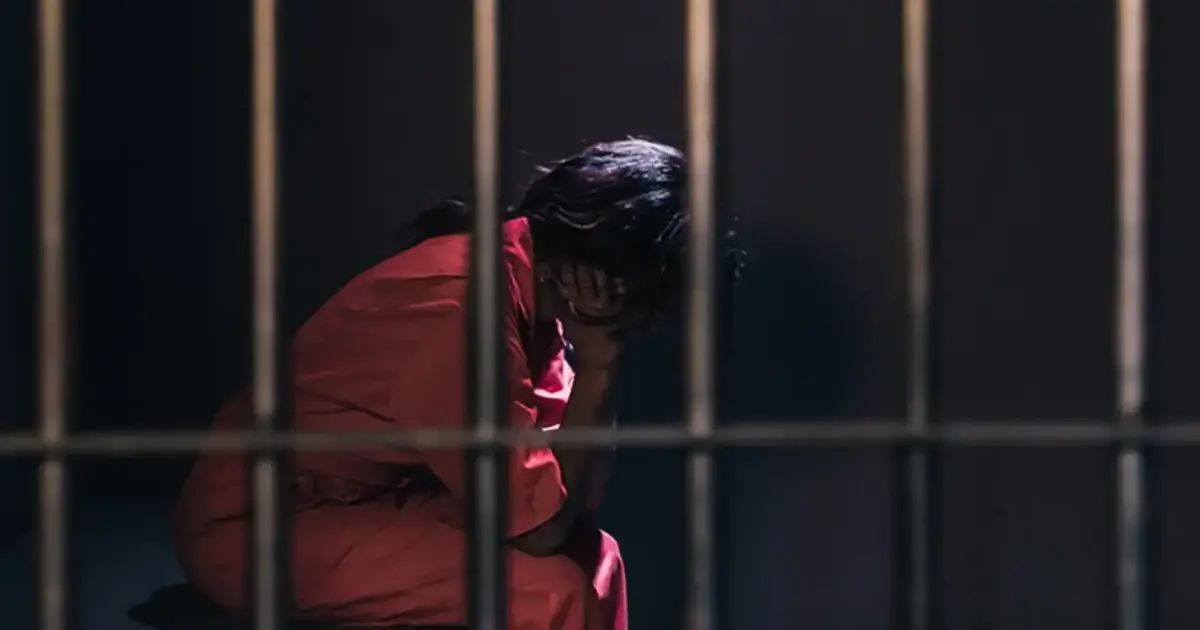
Malaysia's human rights watchdog has documented a disturbing pattern of abuse and neglect within the nation's correctional system, according to Suhakam's latest annual report. The commission identified a specific case involving assault on a female inmate alongside systemic problems in how authorities conduct searches and screen detainees—exposing gaps in oversight that have allowed misconduct to persist largely unchecked.
The 2024 findings paint a grim picture of conditions inside Malaysian prisons and holding facilities. Among the most concerning revelations was the documented assault on a woman detainee, raising questions about the adequacy of safeguarding measures for vulnerable inmates. Beyond this singular incident, Suhakam's investigation points to a broader institutional failure: the procedures governing how searches are conducted on detainees appear routinely degrading and potentially violate fundamental dignity standards. These searches, which should serve legitimate security purposes, instead appear to have been executed in ways that humiliate rather than protect.
What makes these violations particularly troubling is how authorities have responded—or failed to respond—when complaints emerge. Suhakam's probe reveals that investigations into such incidents are often superficial and incomplete, lacking the rigor necessary to establish accountability or deter future abuse. Prison officials appear reluctant to conduct thorough inquiries into allegations raised by inmates, effectively creating an environment where perpetrators face minimal consequences for their actions. This culture of lax accountability allows patterns of misconduct to develop and entrench themselves within institutional practice.
The screening process for detainees entering the system has likewise come under critical scrutiny. Proper vetting procedures should identify vulnerable individuals requiring special protections and flag any medical or psychological concerns requiring immediate attention. Instead, Suhakam found that current protocols are insufficient, allowing individuals with serious needs to enter facilities unprepared to care for them. The commission determined that many custodial institutions lack the basic capacity to identify when detainees require protection from harm or when conditions could exacerbate existing health issues.
For Malaysian policymakers, these findings represent an uncomfortable reckoning. The prison system handles tens of thousands of individuals annually, from those awaiting trial to convicted criminals serving lengthy sentences. Any systemic weakness in oversight or safeguarding affects a vulnerable population with limited ability to advocate for themselves. Inmates depend on state institutions to provide basic security and dignity—obligations that the evidence suggests are being routinely compromised.
The implications extend beyond individual cases of mistreatment. When authorities fail to investigate complaints seriously, they send a clear message that abuses carry minimal risk. This institutional indifference creates conditions under which repeat offenders operate with impunity, emboldening others to follow suit. The problem thus becomes self-perpetuating: weak accountability enables abuse, which in turn breeds more abuse, establishing a vicious cycle that requires decisive intervention to break.
From a regional perspective, Malaysia's struggles mirror challenges facing other Southeast Asian nations managing large prison populations with limited resources. Countries across the region grapple with overcrowding, insufficient training, and outdated facilities. Yet these systemic constraints cannot serve as an excuse for abuse or inadequate investigation into alleged misconduct. Many neighbouring jurisdictions have implemented oversight mechanisms that, while imperfect, demonstrate commitment to accountability. Malaysia's experiences suggest the need for comparable institutional reforms.
Suhakam's role as an independent watchdog becomes increasingly significant in this context. The commission possesses statutory authority to investigate alleged human rights violations and compel cooperation from relevant agencies. Its findings carry moral weight and set standards against which public institutions can be measured. When Suhakam documents specific cases alongside systemic failures, it creates documented evidence that cannot be easily dismissed or ignored by policymakers or civil society advocates.
The report arrives at a moment when Malaysian society appears increasingly concerned with rule of law and institutional accountability. Public attention to judicial independence, prosecutorial conduct, and police procedures has grown considerably in recent years. Prison conditions and detainee treatment deserve equivalent scrutiny. Citizens must recognise that their government's treatment of those in custody reflects broader commitments to human rights and the rule of law. Indifference to prison abuse corrodes the legitimacy of the entire justice system.
Addressing these failures will require multifaceted reforms. Training programmes for prison staff need strengthening to emphasise dignity and de-escalation. Investigation procedures must be standardised and overseen by bodies independent of individual prison authorities. Screening protocols should incorporate medical and psychological assessments conducted by qualified professionals. Facilities require adequate resources to implement these improvements. Most fundamentally, leadership must establish zero tolerance for abuse and create systems where violations carry real consequences.
The Malaysian government has not yet formally responded to Suhakam's latest findings, though the commission's reports typically trigger engagement with relevant ministries over subsequent months. How swiftly and comprehensively authorities address these documented failures will indicate whether reform represents genuine institutional priority or merely rhetorical commitment. The specificity of Suhakam's cases and the clarity of its systemic analysis leave little room for ambiguity about what corrective action looks like.

