Summer may typically bring quieter trading volumes to financial markets, but this August is shaping up to be anything but sleepy. Currency interventions, geopolitical tensions over critical shipping routes, and a parade of economic data releases are combining to create a potent mix of uncertainty for investors across the region. For Malaysian traders and policymakers, the ripple effects could be significant—from oil price movements affecting the ringgit to broader shifts in global monetary policy that influence regional central bank decisions.
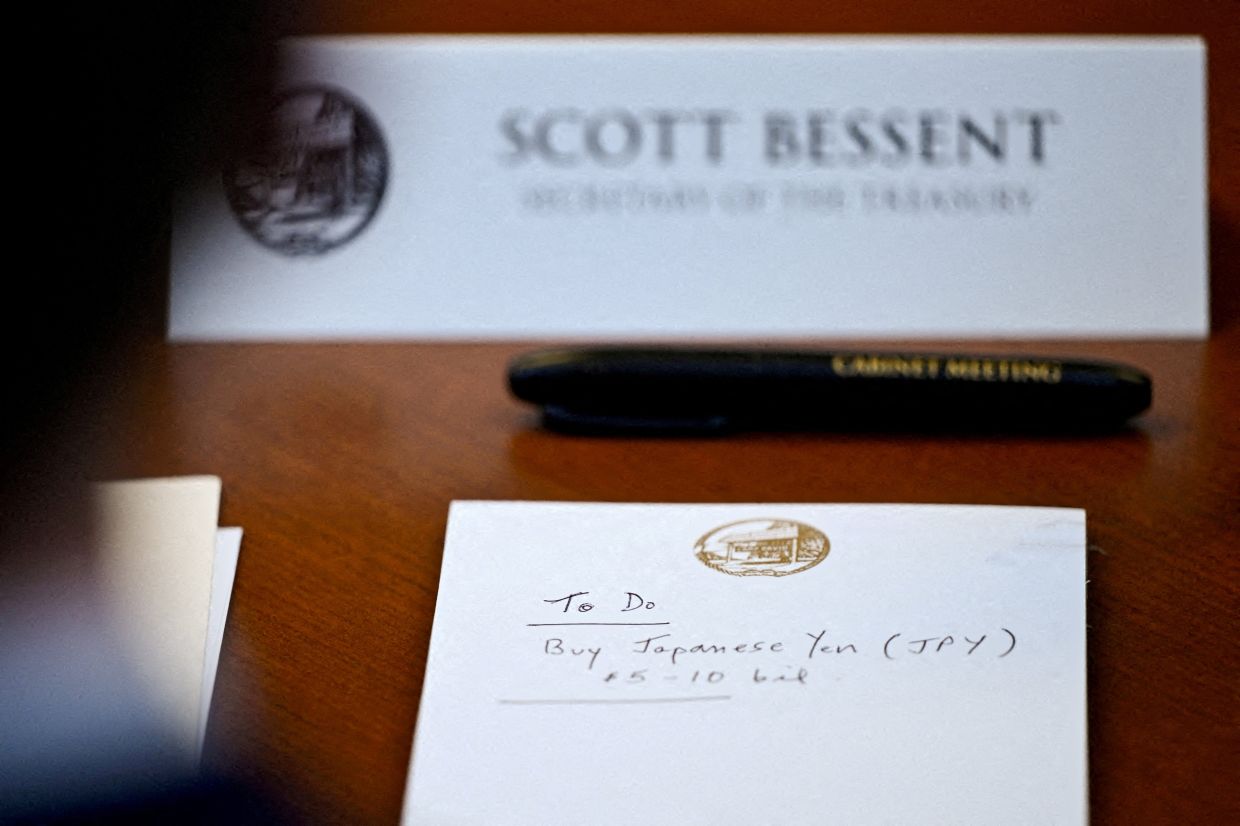
The Japanese yen's struggle to recover from four-decade lows remains front and centre of market attention. A persistently weak currency inflames the cost of fuel imports at precisely the moment when energy prices matter most, creating a policy nightmare for Tokyo. The visibility of U.S. Treasury Secretary Scott Bessent's "to-do" list mentioning yen purchases, coupled with a coordinated intervention by Washington and Tokyo, has provided temporary relief to Japanese policymakers anxious about currency depreciation. Yet questions linger about the durability of such measures and what they truly signal about broader policy directions.
The currency question extends well beyond the yen itself. Observers are parsing the choice to use euros rather than dollars in the latest intervention operation, with some analysts suggesting this reflects American hesitation to strain bond markets through additional dollar-financed intervention. This technical detail points to a deeper uncertainty: whether the United States Treasury remains as committed as before to propping up the dollar's status as the world's reserve currency. For Southeast Asian central banks and forex managers, these American policy deliberations carry real consequences for their own currency management strategies. The stakes appear particularly high given that currency wars, even subtle ones, can ripple through emerging markets that depend on stable exchange rate regimes for trade competitiveness.
Equally important is whether Japan's central bank signals plans for a September rate hike, a move that would reinforce the yen's recovery by making the currency more attractive to investors seeking yield. Minutes from the bank's July meeting, released early in the week, have strengthened the case for such action. A rate increase would mark an important moment in Japan's long journey away from ultra-loose monetary policy, with potential consequences for carry traders and regional fund flows that have long exploited interest rate differentials.
In the Middle East, investors are watching developments around Iran-Oman negotiations concerning passage through the Strait of Hormuz. This waterway remains critical for global energy supplies, with roughly one-third of all seaborne traded oil transiting through the passage. The ongoing conflict in Yemen, now in its 24th week, has empowered Iran-backed Houthi militias to launch attacks on tanker traffic and Saudi Arabian targets, creating genuine supply risks that translate into energy price volatility. With an interim agreement being negotiated between Tehran and Muscat—notably without explicit American involvement or endorsement—markets are divided on whether any peace arrangement will actually hold. The political calculus in Washington, where fuel prices above $4 per gallon remain a concern for voters ahead of mid-term elections, suggests the U.S. administration would welcome even a temporary resolution. Yet the track record of similar agreements suggests optimism should be tempered.
The broader context matters for Asian energy importers. Higher crude prices directly threaten inflation control efforts across the region, from India to Indonesia to the Philippines. Malaysia, as an oil and gas exporter, faces the opposite calculation—higher energy prices support government revenues—but the country remains vulnerable to global demand destruction if energy costs spike too sharply and choke off growth in key export markets.
On the inflation front, Wednesday's U.S. consumer price data takes centre stage. Economists surveyed by Reuters expect the July CPI to rise 3.4 percent year-on-year, with core inflation—excluding volatile food and energy components—forecast to climb 2.5 percent annually. These figures matter enormously for Federal Reserve decision-making, particularly given unexpected job losses reported for July that have complicated the case for near-term rate increases. The Fed held policy steady at its last meeting, though three officials dissented in favour of a hike. Markets are currently pricing in roughly a 40 percent probability of an increase when policymakers gather in September, but this week's data could dramatically shift those odds. If inflation prints hot while employment disappoints, the Fed faces a genuine dilemma: neither tightening nor holding steady addresses the full picture perfectly. Producer price data arriving Thursday will provide additional colour on the inflation trajectory.
This inflation narrative resonates throughout Southeast Asia, where central banks have already embarked on their own tightening cycles. The Bank Negara Malaysia, Bangko Sentral ng Pilipinas, and Bank Indonesia have all raised rates in recent months, betting that rate increases will cool demand and contain price pressures. American inflation persistence—especially if this week's data surprises to the upside—would validate their hawkish stance and potentially justify further increases. Conversely, softer-than-expected figures might allow regional policymakers to pause and assess the cumulative impact of existing rate hikes.
Retail sales data due August 14 rounds out the American economic calendar, providing insight into whether consumers remain willing to spend despite higher borrowing costs. For Malaysian observers tracking the health of the global economy, this figure matters because American consumer spending ultimately drives demand for Asian manufactured exports.
Further afield, Australia's Reserve Bank meets Tuesday and is expected to hold rates steady as policymakers evaluate whether three increases delivered this year have sufficiently restrained inflation. Recent data showed consumer prices rising more slowly in the June quarter, though the central bank has signalled it remains prepared to hike further if needed. Similarly, Norway's Norges Bank convenes Thursday, likely maintaining its rate stance after core inflation cooled. These decisions in neighbouring economies provide context for Malaysia and other regional central banks still calibrating their policy responses.
Britain's economic data, including GDP figures for the second quarter and June separately, will test the credibility of new Prime Minister Andy Burnham's administration just weeks into his tenure. June retail sales surprised to the upside, buoyed by spending linked to sporting events and warm weather, alongside lower energy prices during a temporary U.S.-Iran détente. The quarterly growth picture appears murkier, with momentum fizzling through April and May after a strong opening to the year. An updated eurozone growth estimate due Thursday provides another data point on whether the global economy is genuinely accelerating or merely experiencing a temporary rebound after earlier weakness.
For Malaysian market participants and policymakers, this week encapsulates the interconnected nature of modern global finance. Decisions made by the Federal Reserve ripple through emerging market currencies and bond yields. Energy price movements driven by Middle Eastern geopolitics directly affect domestic inflation calculations. Japanese monetary policy choices influence carry trade flows that wash through regional stock markets. The lack of a traditional summer holiday for markets reflects an era where electronic trading, continuous news cycles, and global capital flows operate around the clock, making August as consequential as any other month for investors tracking cross-border developments.

