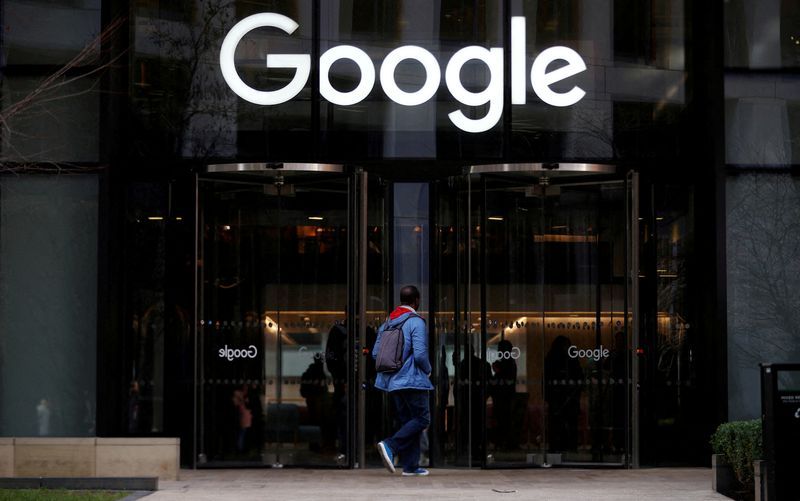
A Stockholm court has determined that Alphabet's Google must pay approximately 14.3 billion Swedish crowns—equivalent to $1.5 billion—to PriceRunner, the price comparison subsidiary owned by fintech company Klarna. The ruling, delivered by the Stockholm Patent and Market Court on Wednesday, represents a significant victory for the Swedish shopping platform in its long-running dispute with the technology giant over competitive practices in search markets.
The court found that Google had systematically disadvantaged PriceRunner while promoting its own price comparison service across multiple years, constituting a breach of European antitrust law. According to the judicial determination, PriceRunner sustained quantifiable harm as a direct result of Google's illegal preference for its internal shopping comparison tool within search results. This verdict underscores growing judicial skepticism toward dominant tech platforms accused of leveraging their market control to favour their own commercial services over competitors.
PriceRunner initially brought the action to the Swedish court in 2022, seeking compensation of approximately €2.1 billion ($2.4 billion). The platform alleged that Google had manipulated search algorithms and result displays to systematically disadvantage independent price comparison services while elevating its own Google Shopping product. Such conduct, PriceRunner contended, violated fundamental principles of fair competition embedded within European Union antitrust regulations and Swedish competition law.
The case reflects a broader pattern of regulatory scrutiny directed at major technology companies across Europe. The European Union has emerged as perhaps the world's most assertive enforcer of competition rules against tech giants, with regulators and courts increasingly willing to impose substantial financial penalties on platforms accused of anticompetitive conduct. Google itself has faced multiple investigations and fines from EU authorities related to search practices and preferential treatment of its own services.
For Malaysian and Southeast Asian businesses operating in digital commerce and comparison shopping, this decision carries important implications. As these markets increasingly experience the influence of global technology platforms, the precedent established in Stockholm suggests that even dominant companies cannot indefinitely insulate themselves from legal accountability for anticompetitive behaviour. Local competition authorities in the region may point to this judgment as evidence that courts in developed economies are prepared to award substantial damages when firms abuse market dominance.
The ruling also demonstrates that platforms cannot easily escape liability simply by arguing that their services represent legitimate competitive offerings. Google will likely contend that its price comparison tool deserves prominent placement due to superior functionality or relevance, a defence that the Swedish court apparently rejected. Instead, the court focused on whether the company had leveraged its control over search results—a market where Google maintains overwhelming dominance—to disadvantage a competitor rather than competing primarily on service quality.
PriceRunner's success in recovering most of its claimed damages suggests that European courts are increasingly willing to award substantial remedies in competition cases, particularly when the harm concerns manipulation of digital services. The judgment may embolden other platforms and services operating within Google's ecosystem who believe they have suffered similar treatment, potentially generating further litigation across European jurisdictions.
From a technology regulation perspective, this verdict arrives amid intensifying global debate over whether existing competition frameworks adequately constrain the power of digital platforms. European policymakers have already enacted the Digital Markets Act, designed to impose stricter behavioural obligations on designated gatekeepers, with Google among the companies subject to these new rules. The Stockholm judgment suggests that even without new legislation, traditional competition enforcement remains a viable avenue for addressing alleged anticompetitive conduct.
The financial magnitude of the award—€1.5 billion—falls below PriceRunner's original claim but still represents a consequential sum for any company. For Google, while substantial, the payment reflects a relatively modest portion of the company's annual revenues, raising questions among some observers about whether damage awards of this scale generate sufficient deterrence. Nevertheless, accumulating judgments and fines across multiple jurisdictions could eventually produce material financial and reputational consequences.
Google has not yet indicated whether it intends to appeal the Swedish court's decision, though the company typically contests adverse antitrust rulings through available judicial channels. Any appeal would likely extend the dispute significantly, though the company faces an increasingly unfavourable regulatory environment across Europe regarding such cases. The judgment underscores that digital platforms cannot assume they will indefinitely retain the ability to privilege their own services within their dominant platforms without facing legal consequences and financial liability.

