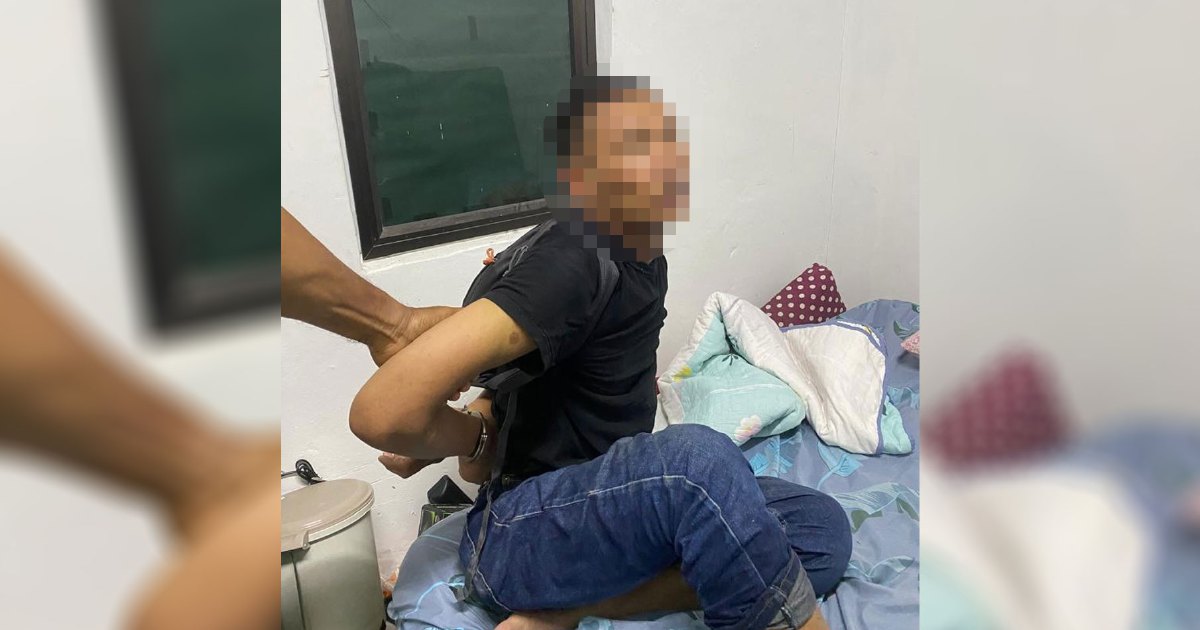
Johor Baru police demonstrated swift operational efficiency when they arrested a 48-year-old man within 20 minutes of responding to a house trespassing complaint in Kampung Melayu Majidee. The rapid apprehension underscores the state police's commitment to addressing residential security concerns and home intrusions, which remain a persistent worry for Malaysian householders across both urban and suburban areas.
Residential trespassing incidents have emerged as a frequent complaint in suburban Johor communities, where residents are increasingly vigilant about property security and unfamiliar persons entering their homes. Such cases often alarm families and raise broader concerns about neighbourhood safety, prompting many residents to install additional security measures including CCTV systems and alarm installations. The suspect's swift arrest reflects both the police's rapid deployment capabilities in the area and the effectiveness of community reporting mechanisms that trigger immediate law enforcement action.
The incident in Kampung Melayu Majidee highlights the vulnerability of residential areas during daytime hours, when homeowners may be away at work or engaged in daily activities. Trespassing cases frequently involve individuals attempting to steal items, gather information for subsequent burglaries, or gain unauthorised access for other criminal purposes. The quick police response in this instance may have prevented a more serious crime from occurring, potentially saving the household from property loss or other forms of victimisation.
From a law enforcement perspective, the 20-minute response time represents an achievement in operational coordination, requiring officers to receive the complaint, assess information rapidly, identify the suspect's location, and execute an arrest without incident. Such performance metrics are critical for police departments aiming to maintain public confidence in their ability to protect residential communities. Johor Baru's force, which oversees one of Malaysia's largest and most densely populated urban centres, manages complex policing demands across multiple neighbourhoods with varying security profiles.
Homeowners in Kampung Melayu Majidee and similar residential clusters in Johor Baru would likely view this arrest as a positive development, potentially encouraging further collaboration between residents and police. Community-police partnerships remain essential for identifying trespassers and suspicious individuals, as neighbours often possess crucial information about unfamiliar persons loitering in residential areas. Many suburbs have established resident associations and neighbourhood watch programmes to enhance communication channels with local police stations.
The case also serves as a reminder for Malaysian householders to remain vigilant about home security practices. Security experts consistently recommend that residents secure doors and windows, avoid displaying valuable items near windows, and immediately report suspicious activities to authorities. Installing visible security systems can deter potential trespassers, while neighbourhood awareness campaigns frequently emphasise the importance of reporting strangers attempting to enter homes without authorisation.
Trespassing offences in Malaysia are prosecuted under relevant provisions of the Penal Code and, in some cases, state-specific legislation governing property rights and unlawful entry. The severity of charges and penalties can escalate if a trespasser is found inside a home with intent to commit theft or other crimes. Many cases that begin as simple trespassing incidents reveal more serious criminal intentions upon investigation and interrogation, making rapid police intervention particularly valuable for protecting communities.
Johor Baru's police operations extend across diverse neighbourhoods, from sprawling suburban residential areas to more densely built urban zones, each presenting distinct security challenges. Resource allocation and patrol strategies must balance rapid response times with comprehensive area coverage, requiring careful planning and coordination among multiple police units and precincts. The arrest in Kampung Melayu Majidee demonstrates that effective deployment decisions can result in impressive response capabilities even within a large urban jurisdiction.
For Malaysian media and public discourse, this incident reflects ongoing discussions about personal safety, property security, and police effectiveness in addressing residential crime. Citizens increasingly seek reassurance that law enforcement agencies can respond promptly to home security threats, particularly in an era where many Malaysians work longer hours and spend extended periods away from their residences. Positive police performance in cases like this contributes to public confidence in the criminal justice system and encourages continued community cooperation with authorities.
The investigation into this trespassing case will likely continue, with police seeking to determine the suspect's motives, whether accomplices were involved, and whether the individual is linked to other criminal activity in the area. Such investigative follow-up often reveals patterns of criminal behaviour and helps police identify repeat offenders or organised trespassing rings targeting homes for theft or reconnaissance purposes. Community members with additional information may assist investigators by providing context about the suspect's activities or prior suspicious behaviour in their neighbourhood.

