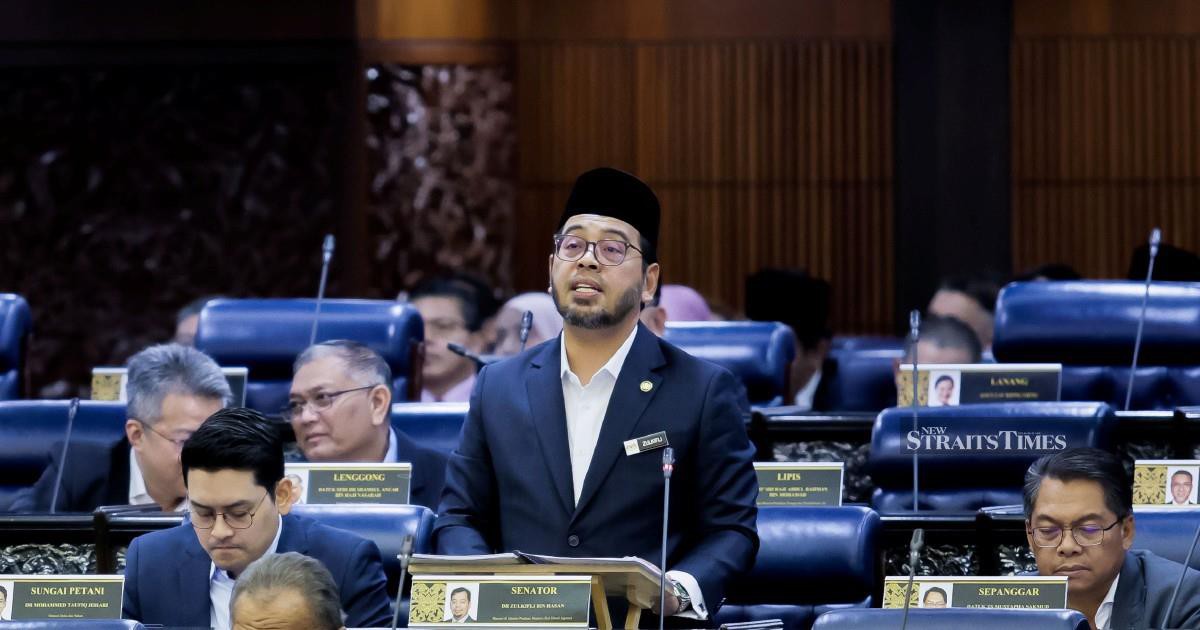
Tabung Haji has escalated its response to damaging findings from the Royal Commission of Inquiry by filing 12 separate reports with both the police and the Malaysian Anti-Corruption Commission. The moves represent a significant step in addressing the concerns raised during the independent inquiry into Malaysia's pilgrimage fund, signalling the organization's commitment to pursuing accountability through formal legal channels.
The Royal Commission of Inquiry, established to examine governance, operational, and financial matters at Tabung Haji, had uncovered findings of sufficient concern to warrant referral to law enforcement agencies. By lodging reports with both the police and MACC simultaneously, Tabung Haji has ensured that the matters receive parallel investigation from different regulatory bodies, each bringing distinct expertise in their respective domains.
Tabung Haji, formally known as Lembaga Tabung Haji, manages one of the world's largest pilgrimage funds, holding assets and coordinating the hajj arrangements for hundreds of thousands of Malaysian Muslims annually. The organization handles substantial financial resources and enjoys a position of public trust, making governance standards and operational integrity matters of national concern. The filing of these reports reflects the seriousness with which both the RCI and Tabung Haji itself regard the inquiry's conclusions.
The Royal Commission of Inquiry process represents Malaysia's formal investigative mechanism for examining matters of significant public interest. When such an inquiry identifies potential breaches of law or misconduct, referral to enforcement agencies becomes a standard procedural response. The simultaneous filing with both the police and MACC suggests the findings may implicate multiple categories of potential offences, from general criminal matters to corruption-related concerns.
For Malaysian Muslims who depend on Tabung Haji for pilgrimage arrangements and savings products, the filing of these reports carries profound implications. Public confidence in the institution relies upon transparent governance and swift action when problems emerge. By proactively engaging law enforcement rather than attempting internal resolution alone, Tabung Haji demonstrates responsiveness to the RCI's concerns, though questions about how such situations arose in the first place inevitably remain.
The involvement of the Malaysian Anti-Corruption Commission specifically underscores the nature of at least some findings. The MACC's mandate centres on investigating allegations of corruption in the public sector and entities entrusted with public funds. Its engagement alongside conventional police investigations suggests the RCI identified conduct that may contravene the Malaysian Anti-Corruption Commission Act, pointing toward potential corruption rather than mere administrative irregularities.
The timing and manner of these filings also merit consideration within Malaysia's broader governance environment. Public sector accountability has become an increasingly scrutinized issue, with greater emphasis on independent inquiries and transparent enforcement. The RCI mechanism itself represents this trend, providing a structured process for examining institutional performance outside standard political channels. The subsequent police and MACC filings demonstrate the logical follow-through of such inquiries.
Regionally, Malaysia's approach to investigating governance failures at major public institutions reflects standards increasingly expected across Southeast Asia. Countries throughout the region have faced questions about the accountability of large public funds and state-linked enterprises. Malaysia's commitment to RCI investigation and formal law enforcement referrals positions the country as relatively active in pursuing institutional accountability, though implementation and outcomes will ultimately determine credibility.
The 12 separate reports likely address distinct categories of findings or multiple instances of concerning conduct. This number suggests the RCI uncovered not isolated incidents but rather patterns or systemic issues spanning several areas of Tabung Haji's operations. Each report presumably documents specific allegations with sufficient detail to enable police and MACC investigators to proceed with formal investigation and potential prosecution if evidence supports such action.
Stakeholders awaiting further developments include the millions of Malaysian Muslims with savings or investment products through Tabung Haji, the broader Muslim community relying on the organization's hajj coordination services, and the general public with interest in institutional governance standards. The police and MACC investigations will now proceed according to standard procedures, potentially taking considerable time before conclusions emerge.
The filing of these reports represents a critical juncture in Tabung Haji's institutional trajectory. Beyond the specific allegations under investigation, the organization faces the challenge of rebuilding stakeholder confidence through demonstrable reforms addressing the gaps the RCI identified. Enforcement agency investigations will proceed independently, but Tabung Haji's concurrent commitment to internal reform efforts will significantly influence public perception of the institution's future direction.
Moving forward, the outcomes of police and MACC investigations will substantially shape discussion around Tabung Haji's governance framework and the adequacy of existing oversight mechanisms. Whether these investigations result in criminal charges, civil recovery actions, or primarily serve an investigative function in documenting findings, the process itself contributes to public accountability and institutional learning that may strengthen governance across Malaysia's public sector landscape.

