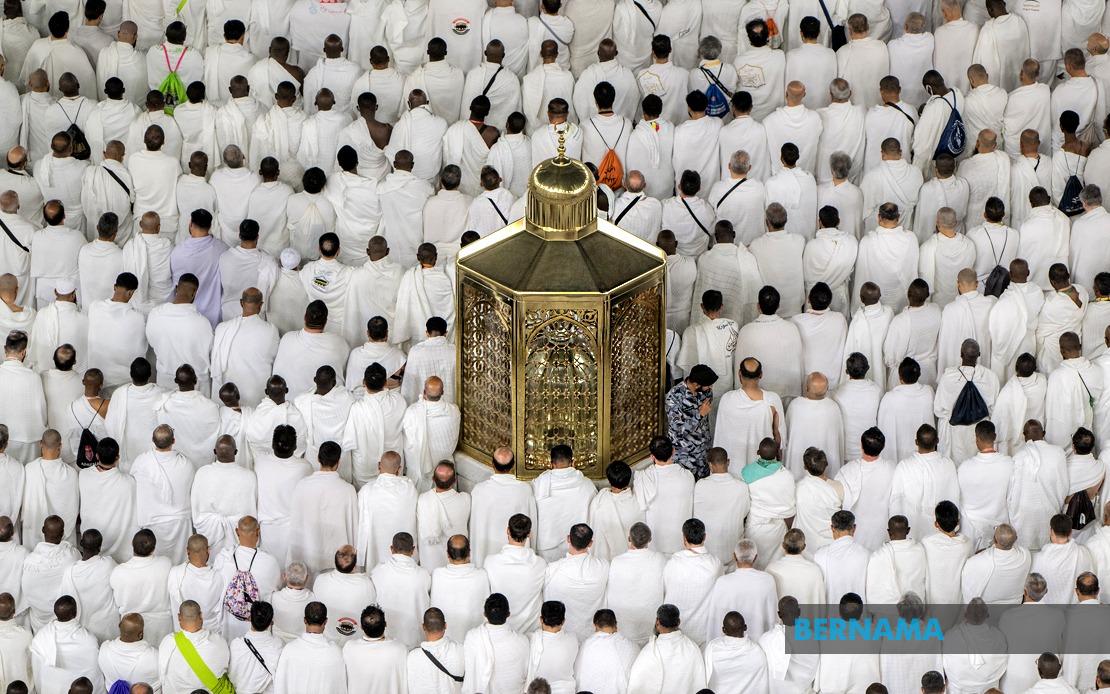
Malaysia's Tabung Haji has reaffirmed its commitment to a first-registered, first-served allocation system for hajj pilgrimage slots, rejecting calls to introduce preferential categories that would allow certain groups to jump the queue. The position, articulated by Deputy Minister Marhamah Rosli during parliamentary proceedings, underscores the religious institution's determination to uphold what it describes as fundamental principles of fairness and transparency in managing one of the most significant aspects of Muslim life in the country.
The issue gained prominence when Kuala Krai member of parliament Abdul Latiff Abdul Rahman raised the plight of compulsory retirees who receive government gratuity payments. These individuals, he argued, possess the financial capacity to perform the hajj but face extended waiting periods like other depositors. His proposal sought a mechanism allowing them to bypass the lengthy queue through a special category. The suggestion reflects broader frustrations within segments of Malaysian society about the limited hajj quotas allocated to the country and the resulting delays that can stretch for years before prospective pilgrims receive their turn.
Marhamah's response emphasised that disrupting the existing queue system through special categories would fundamentally undermine the equity that Tabung Haji has strived to maintain. She pointed out that introducing preferential treatment for retirees, however financially capable, would disadvantage the considerable number of depositors who have already invested years waiting for their opportunity. This position reveals a tension between two competing notions of fairness: rewarding those with demonstrated financial capacity versus honouring the chronological priority of those who registered earlier. The ministry chose to prioritise temporal equity over financial capacity as the ordering principle.
A key component of Tabung Haji's recent operational changes involves heightened financial requirements for prospective pilgrims. Beginning this year's hajj season, the institution now mandates that depositors maintain a minimum savings balance of RM15,000 before receiving a hajj offer letter, despite the actual pilgrimage cost reaching RM33,300. This requirement serves a practical purpose—ensuring that those offered slots possess sufficient funds to complete travel arrangements and meet associated expenses. For Malaysian depositors accustomed to flexible payment schedules, the policy introduces a stricter threshold that may initially screen out some applicants, though Tabung Haji provides time for individuals to accumulate the necessary balance.
Tabung Haji's framework does include some flexibility through an appeal mechanism. Depositors not yet due for a hajj offer may lodge formal appeals that receive individual consideration based on established criteria and priority factors. However, the institution presents this as a supplementary rather than primary pathway, maintaining that the standard queue-based system remains the standard operating procedure. This balance attempts to provide avenues for exceptional circumstances whilst preserving the integrity of the main allocation process.
The quota allocation itself represents a fundamental constraint shaping Malaysia's hajj policy. The country received an official allocation of 31,600 pilgrims for this year's hajj season, a figure determined entirely by the Saudi Arabian government. Malaysia, like all nations sending pilgrims, operates within these boundaries, which have failed to keep pace with growing demand from Malaysian Muslims seeking to fulfil one of Islam's five pillars. Marhamah acknowledged this limitation candidly, noting that Malaysia will continue annually requesting additional quotas from Saudi Arabia, though success depends on Riyadh's willingness to expand allocations—a decision influenced by broader diplomatic and administrative considerations.
The hajj waiting list has become an increasingly visible political issue in Malaysia, where over 1.7 million Muslims remain on Tabung Haji's books awaiting their turn. The lengthy delays—in some cases exceeding a decade—create genuine hardship, particularly for elderly depositors uncertain whether they will achieve their religious aspiration before their health declines or life circumstances change. Politicians occasionally raise such concerns in parliament, seeking administrative solutions that might accelerate access without fundamentally expanding quota allocation. Special categories for retirees represent one such proposed workaround, though Marhamah's rejection signals that Tabung Haji and the government view such shortcuts as problematic precedents.
Securing a hajj quota involves substantial international coordination. Saudi Arabia tightly regulates hajj participation to manage the immense logistical challenges of accommodating millions of pilgrims annually whilst maintaining safety and religious standards. From Malaysia's perspective, negotiating larger allocations requires sustained diplomatic engagement, though geopolitical relationships and bilateral ties only occasionally translate into expanded slots. The reality is that Malaysia's hajj aspirants will likely continue facing extended waits absent dramatic changes in Saudi policy or the emergence of alternative pilgrimage pathways—neither scenario appears probable in the medium term.
A positive development reported by Marhamah concerns fraud prevention within Malaysia's hajj ecosystem. During the 1447 Hijrah hajj season, the Haj Fraud Task Force—comprising Tabung Haji, the Royal Malaysia Police, and the Ministry of Tourism, Arts and Culture—documented zero reported cases of hajj package fraud. This outcome reflects strengthened enforcement mechanisms and the apparent success of awareness campaigns promoting the "No Visa, No Haj" principle, which aligns Malaysian practice with Saudi Arabia's "No Haj Without Permit" directive. By tightening controls on who receives official hajj authorisation, authorities have significantly reduced opportunities for fraudulent operators to exploit pilgrim aspirations or pilfer savings.
The maintenance of a first-registered, first-served system represents a choice deeply embedded in Malaysian administrative culture and religious principles. Islam itself emphasises equity and fairness as foundational values, making the queue-based approach philosophically consonant with religious teaching. From an administrative standpoint, deviation from this system would invite endless lobbying for special categories—by occupation, age, health status, or other criteria—potentially fragmenting the allocation process into an unwieldy structure requiring complex justification mechanisms. Tabung Haji's stance reflects pragmatic recognition that preserving system integrity, even when particular cases seem sympathetic, protects the broader framework.
For Malaysian depositors, the implications are mixed. Those with financial resources may eventually reach their allocated hajj year and fulfil their religious obligation. However, waiting periods measured in years demand patience and financial discipline. The minimum RM15,000 requirement, whilst reasonable in absolute terms, may prove difficult for lower-income depositors to accumulate alongside their regular lives. Tabung Haji provides depositors with estimated hajj years so they can plan accordingly, though economic changes and personal circumstances sometimes render such projections unreliable.
Looking forward, Malaysia faces a structural mismatch between hajj demand and available quota allocation. Neither special categories nor preferential queuing mechanisms address this fundamental constraint. Meaningful expansion of opportunity would require either securing additional Saudi quotas through diplomatic channels—a slow, uncertain process—or developing alternative mechanisms for Islamic pilgrimage that do not depend on traditional hajj channels. Until one of these developments materialises, Tabung Haji's first-registered, first-served system will likely persist as the fairest available method for allocating this precious and limited resource amongst Malaysia's substantial Muslim population.

