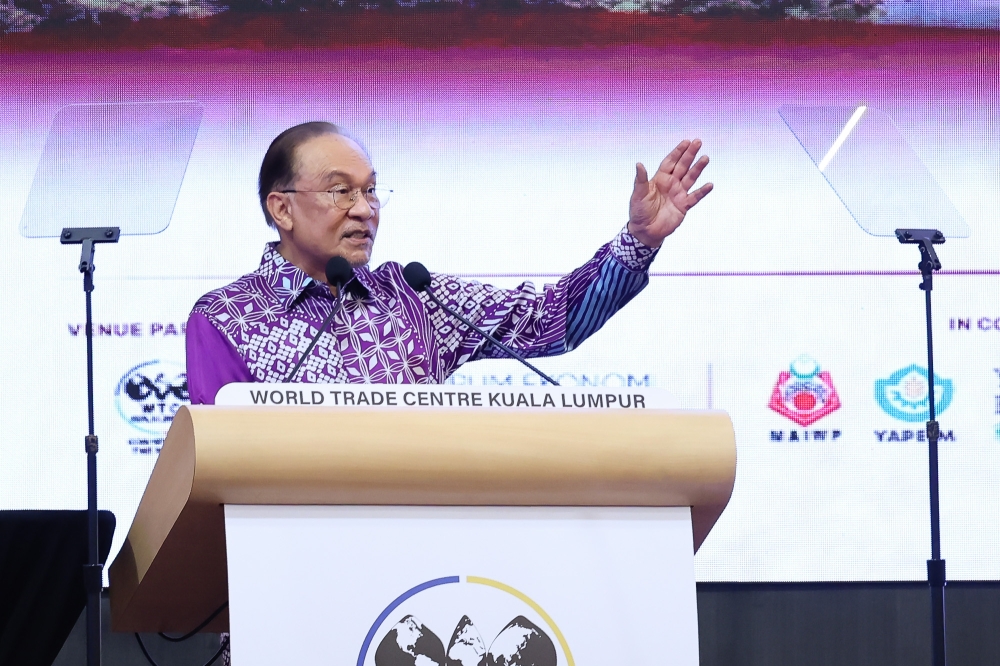
Prime Minister Datuk Seri Anwar Ibrahim has indicated that Tabung Haji, the state-backed savings institution for Muslim pilgrims, has emerged from a period of instability and now stands on more solid ground following a series of structural and operational improvements. The government has completed reforms aimed at addressing longstanding governance challenges within the organisation, and Mr Anwar has signalled that findings from a Royal Commission of Inquiry into the fund's earlier difficulties will be disclosed to the public within the near term.
For Malaysian Muslims, Tabung Haji represents far more than a financial institution. The organisation manages savings for hundreds of thousands of Malaysians planning to undertake the Hajj pilgrimage to Mecca, a cornerstone of Islamic faith. When the fund encountered operational and financial difficulties in recent years, it raised concerns about the security of pilgrim deposits and prompted broader questions about public-sector governance and institutional accountability. The announcement of impending reforms and an independent inquiry reflected the seriousness with which authorities viewed the matter.
The Prime Minister's characterisation of Tabung Haji as now "stronger" suggests that remedial measures have begun producing tangible results. The nature of these reforms has encompassed changes to internal management structures, tightened oversight mechanisms, and enhanced transparency in financial reporting. By repositioning the organisation with upgraded governance standards, authorities have attempted to restore public confidence in an institution that had faced criticism over investment losses and operational inefficiencies that accumulated over an extended period.
The Royal Commission of Inquiry itself represents a significant institutional response to documented failures. Such commissions, typically established to investigate matters of substantial public concern, are empowered to examine evidence comprehensively and issue findings with considerable authority. The pending release of this report will provide Malaysians with an authoritative and detailed assessment of what went wrong, identifying systemic failures and the circumstances that permitted them to develop. This transparency is essential for rebuilding trust, particularly among the millions of Malaysians who entrust their pilgrimage savings to the organisation.
For the broader Malaysian financial landscape, the Tabung Haji situation illustrates ongoing challenges in institutional oversight. The fund's earlier troubles were not isolated incidents but symptomatic of governance gaps that extend across various government-linked companies and public financial institutions. Reform efforts at Tabung Haji therefore carry implications beyond the pilgrimage fund itself, potentially signalling the government's commitment to implementing more rigorous accountability frameworks across the public sector.
The timing of these reform announcements reflects political and public pressure that has mounted over successive years. Media investigations, parliamentary scrutiny, and public discourse surrounding Tabung Haji's performance had created sustained momentum for change. The government's responsiveness to these concerns, demonstrated through commissioning an independent inquiry and implementing operational reforms, represents a recognition that institutional credibility cannot be taken for granted and requires active management and continuous improvement.
From a regional perspective, Malaysia's handling of public financial institutions is watched by investors and analysts seeking indicators of governance maturity. Countries across Southeast Asia have grappled with similar challenges involving state-owned enterprises and statutory bodies, where weak oversight and poor management have sometimes resulted in significant losses. The Tabung Haji case thus provides a cautionary example while also demonstrating the potential for institutional recovery when reform measures are pursued systematically.
The imminent release of the RCI report will be a critical juncture. The document's comprehensiveness, clarity, and the specific recommendations it contains will determine whether reform momentum can be sustained. Beyond merely identifying past failures, the report must offer actionable guidance for preventing recurrence. Malaysian stakeholders will scrutinise not only the findings themselves but also the government's subsequent implementation of recommendations, which will serve as a test of institutional reform sincerity.
For the millions of Malaysians maintaining savings with Tabung Haji, the Prime Minister's assurances carry practical significance. These individuals are dependent on the organisation's operational stability to facilitate their spiritual obligations. Any perception that the fund faces renewed instability could trigger deposit withdrawals and further undermine institutional health. Conversely, demonstrated improvement and transparent communication regarding reforms can reinforce confidence and allow normal operations to resume without disruption.
Looking forward, Tabung Haji's trajectory will partly depend on whether reform measures address not only immediate operational deficiencies but also underlying structural vulnerabilities. This includes ensuring that governance frameworks remain responsive to changing market conditions, that risk management procedures are comprehensive and enforced, and that leadership has both the capacity and independence to make decisions in the institution's and public's interest rather than subordinating those to political considerations.
The Prime Minister's public statements regarding Tabung Haji's improving condition serve multiple audiences simultaneously. For the pilgrimage community, they offer reassurance about institutional stability. For investors and the financial sector, they signal governmental intent to address public-sector governance shortcomings. For the political sphere itself, they demonstrate responsiveness to recognised problems and willingness to pursue institutional remedies. Whether these promises translate into sustained improvement will become clearer once the RCI report is released and stakeholders can assess both the findings and the government's commitment to implementing systemic change.

