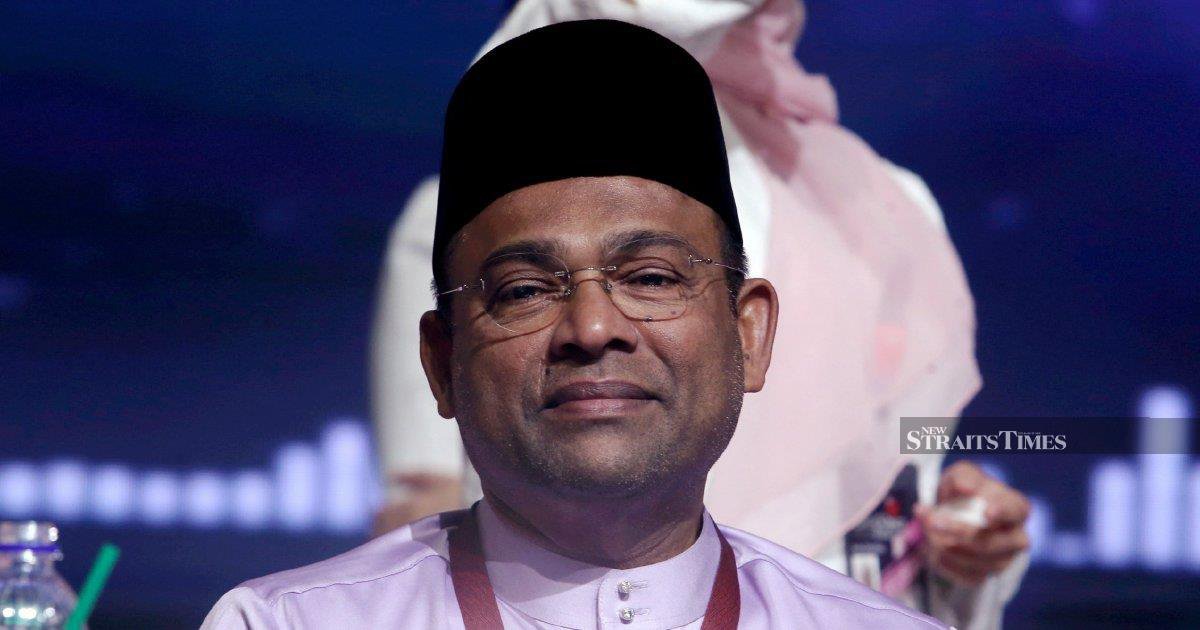
Datuk Seri Abdul Azeez Abdul Rahim, who previously helmed Tabung Haji, has rejected calls from Bersatu to publicly disclose whether the Malaysian Anti-Corruption Commission has sought his account regarding the Royal Commission of Inquiry findings into the troubled pilgrim fund. The pushback against the opposition party's demands highlights the intensifying political friction surrounding investigations into the mismanagement allegations that have engulfed Malaysia's pilgrimage savings institution.
The controversy surrounding Tabung Haji has morphed into a political flashpoint, with various quarters seeking accountability for the substantial financial irregularities uncovered by the RCI. Bersatu, despite its alliance with the federal government coalition, has positioned itself as a vocal watchdog demanding transparency. Their insistence that Azeez publicly confirm his interactions with enforcement authorities appears designed to maintain pressure on leadership figures connected to the fund's troubled operations during recent years.
Azeez's response suggests a deliberate strategy to avoid being drawn into what could become a prolonged public dispute over his role and potential culpability. By asserting that his name does not appear in the RCI report, he appears to be establishing a defensive position that positions any MACC inquiry as unnecessary or peripheral to the core findings. This tactical manoeuvre reflects how former officials implicated in high-profile governance failures often attempt to compartmentalise their involvement from headline-grabbing investigations.
The Tabung Haji RCI, established to examine systemic failures and financial mismanagement at the fund, represents one of Malaysia's most significant institutional inquiries in recent years. The pilgrim fund, which manages the savings of millions of Malaysian Muslims preparing for the hajj pilgrimage, holds profound cultural and religious significance. When governance failures surface at such institutions, they reverberate far beyond finance circles, affecting public trust in state-managed mechanisms and raising questions about regulatory oversight.
For Malaysian pilgrims and their families, the findings carry personal implications. Many Malaysians depend on Tabung Haji's stability and reliability as custodians of their life savings dedicated to fulfilling one of Islam's five pillars. Reports of mismanagement naturally generate anxiety among account holders and their dependents, particularly among lower and middle-income groups who constitute the fund's core demographic. The institution's restoration of credibility therefore remains crucial for social stability and public confidence in government institutions.
Bersatu's assertiveness on this matter, despite its governing coalition status, suggests internal pressures within the alliance to demonstrate independent scrutiny. Coalition partners often maintain distinct political identities through selective criticism of government outcomes, allowing them to signal autonomy to their constituencies while remaining within the alliance framework. In this context, Bersatu's pursuit of accountability narratives surrounding Tabung Haji may serve multiple political objectives simultaneously.
The MACC's involvement in investigating the matter signals that potential criminal conduct may be at issue, extending beyond administrative or civil liability. When anti-corruption bodies become engaged, it typically indicates allegations have crossed thresholds requiring criminal investigation. This distinction matters significantly for those under scrutiny, as it introduces potential personal legal jeopardy rather than merely institutional criticism. Azeez's reluctance to voluntarily confirm such contact, if it has occurred, therefore becomes comprehensible from a legal risk-management perspective.
The RCI's findings have necessitated comprehensive institutional reforms within Tabung Haji, including governance restructuring, financial controls enhancement, and leadership changes. These operational modifications themselves represent acknowledgment that systemic deficiencies existed requiring remedial action. How comprehensively these reforms address root causes will significantly influence the fund's future trajectory and public confidence restoration efforts. The parallel criminal investigations add complexity to broader institutional recovery efforts, potentially creating uncertainty that delays complete normalisation.
For Southeast Asian observers, the Tabung Haji saga illustrates persistent governance challenges affecting large public institutions across the region. Similar institutions managing collective savings for religious or cultural purposes exist throughout Southeast Asia, and comparable cases have emerged in other jurisdictions. The Malaysian experience provides cautionary perspectives on supervisory mechanisms, institutional independence, and accountability frameworks necessary for protecting public assets and maintaining stakeholder confidence in state-managed financial vehicles.
The intersection of political pressure, criminal investigation, and institutional reform creates a complicated environment for former officials navigating these intersecting domains. While Azeez's resistance to Bersatu's public declarations might appear defensive, it arguably reflects practical jurisprudential considerations about pre-emptively commenting on active investigations. The matter ultimately requires resolution through institutional and legal processes rather than political theatre, though the two domains remain inextricably intertwined in Malaysia's contemporary governance landscape.

