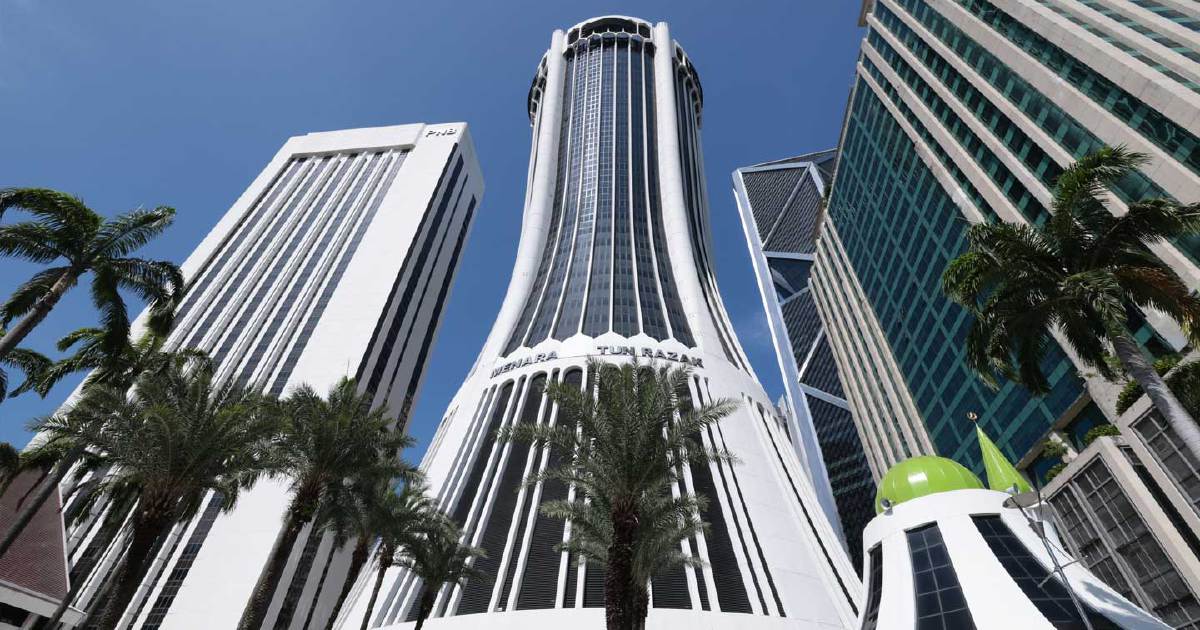
The lengthy Royal Commission of Inquiry examining Tabung Haji's operations and governance appears to be approaching its conclusion, with Prime Minister Datuk Seri Anwar Ibrahim signalling that the final report could reach the public imminently. Speaking to journalists on the matter, the Prime Minister suggested the document might become available as soon as today, or by Wednesday at the latest, depending on the administrative requirements that may apply to its release.
The timing of this announcement reflects the government's push to bring transparency to Malaysia's largest Islamic pilgrimage savings institution, which has faced mounting scrutiny over its financial management and investment decisions in recent years. The establishment of the RCI itself represented a significant governance intervention, tasked with investigating matters of substantial concern to millions of Malaysian account holders who have entrusted their hajj savings with the fund.
Anwar's remarks hinge on a critical procedural question: whether Cabinet-level approval is necessary before the report can be made public. Should no such formal endorsement be required, the Prime Minister's comments suggest the report could be released to the media and stakeholders within a matter of hours. This potential expedited timeline indicates that senior government officials have been preparing for the report's publication and may have already completed preliminary reviews of its contents.
The Royal Commission framework typically involves a final submission to the appointing authority—in this case, likely the Cabinet or a senior government official—before public dissemination occurs. Understanding whether this step remains pending is therefore crucial to comprehending the actual timeline for disclosure. The distinction between these scenarios has material implications for interested parties seeking to absorb and respond to the commission's findings.
Tabung Haji has been under intense examination following years of financial underperformance, operational challenges, and concerns about governance standards at the institution. The fund's primary mandate of facilitating Hajj savings for Malaysian Muslims has come under strain amid larger questions about how the organisation manages billions of ringgit in pilgrim contributions. Investment decisions, asset allocations, and administrative costs have all been subjects of debate and criticism from account holders and public commentators alike.
The RCI's investigation represents an attempt to establish an authoritative, independent assessment of these issues and to identify systemic weaknesses in the institution's structure and practices. Such inquiries, while sometimes lengthy and resource-intensive, carry significant weight in Malaysian governance, their recommendations often guiding subsequent policy reforms and legislative changes. The report's findings may therefore reshape how Tabung Haji operates and is regulated in coming years.
For the Muslim community, particularly the millions who maintain active savings accounts with the institution for their eventual pilgrimage, the commission's conclusions carry personal and financial significance. Account holders have long sought clarity about whether their contributions are being managed prudently and whether governance standards meet acceptable benchmarks. A transparent public report may provide reassurance or, conversely, highlight areas of legitimate concern that warrant remedial action.
The forthcoming release also matters for the broader reputation and credibility of Malaysia's public institutions. Trust in government bodies and statutory authorities remains essential for their effective functioning and for public confidence in the systems that manage critical national assets and programs. How the government handles the RCI report's release—whether transparently and comprehensively, or with reservations—will send signals about its commitment to institutional accountability.
The timing announced by Anwar suggests that the Cabinet, assuming it must provide approval, was positioned to review and endorse the final report within the current parliamentary sitting or immediately thereafter. This compressed timeline reflects both the priority given to resolving Tabung Haji's governance questions and the political imperative to demonstrate responsiveness to public concerns about the institution's stewardship.
Once released, the report will likely become the subject of intense analysis by financial regulators, parliamentarians, journalists, and civil society observers seeking to understand the commission's assessment of what has gone wrong and what needs to change. The government's subsequent response—including whether it commits to implementing recommended reforms—will be scrutinised equally closely by stakeholders who have waiting years for this inquiry to reach fruition.
The imminent availability of the RCI report therefore represents a significant moment for Malaysian governance, offering an opportunity for the state and public institutions to move toward greater transparency and accountability regarding how Tabung Haji's substantial resources have been managed. The depth and credibility of the commission's findings, combined with the political will to act on them, will ultimately determine whether this inquiry translates into meaningful institutional reform.

