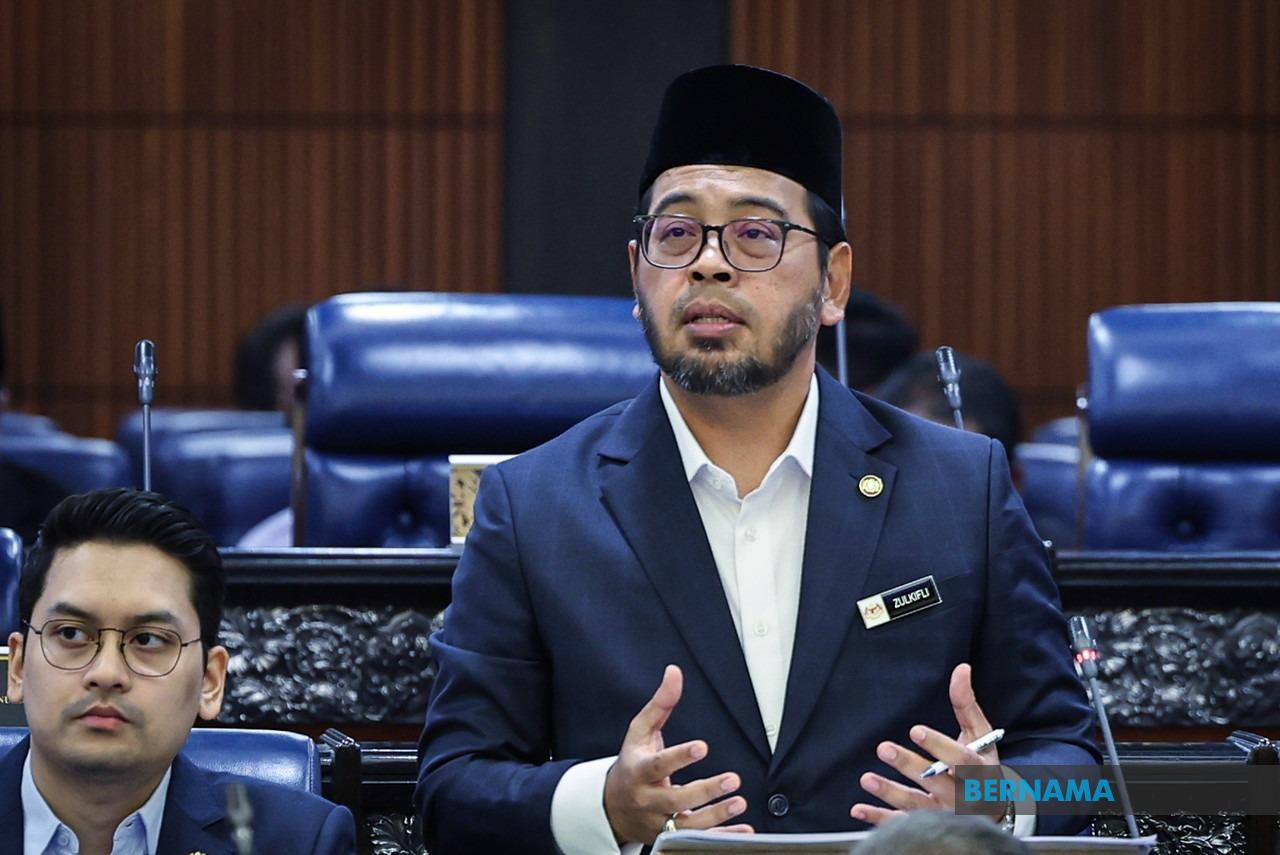
Tabung Haji has placed itself on a firmer financial and operational footing through systematic reforms implemented over the past six years, Religious Affairs Minister Dr Zulkifli Hasan told parliament on Monday. The overhaul, which began in 2018, has addressed the institution's structural weaknesses while maintaining its core mission of enabling Malaysian Muslims to perform the haj affordably. Speaking during a ministerial briefing on the Royal Commission of Inquiry report into the pilgrim fund, Zulkifli outlined how the recovery strategy has translated into tangible improvements across multiple dimensions of the organisation's functioning.
The minister identified nine foundational pillars that anchored the reform agenda. These stretched beyond simple financial stabilisation to encompass governance revitalisation, accountability mechanisms, enhanced investment practices, and reliable returns for depositors. Tabung Haji simultaneously pursued objectives around sustained haj accessibility, depositor protection, service quality elevation, institutional leadership autonomy and the long-term sustainability of what is now positioned as a transformed Islamic financial entity. This multi-pronged approach reflected recognition that the pilgrim fund's challenges required comprehensive structural intervention rather than surface-level adjustments.
A critical achievement has been reversing the financial deterioration that had accumulated over previous decades. Zulkifli emphasised that strategic restructuring of both assets and liabilities has restored the institution's financial position. This restructuring involved difficult decisions about portfolio reallocation and liability management, yet appears to have succeeded in stabilising the foundation upon which depositor confidence ultimately rests. For the estimated 8.8 million Tabung Haji members, this financial rehabilitation carries profound significance, as it directly affects the security of their accumulated savings and their ability to access pilgrimage funding when needed.
One measure of success lies in the consistent pricing of haj packages. Despite inflationary pressures that have accumulated significantly since the early 2000s, Tabung Haji has maintained the cost at RM33,300 for three consecutive seasons spanning 2024 to 2026. This accomplishment gains perspective when contextualised against the broader economic environment: inflation has surged approximately 250 per cent since 2001, the year when subsidised haj financing was first introduced. The ability to hold prices steady while absorbing rising operational costs represents a deliberate institutional choice to prioritise accessibility for Malaysia's Muslim population.
The financial engineering behind this price stability reveals how Tabung Haji has adapted its procurement strategies. Long-term airline contracts have insulated the institution from volatile aviation costs, while direct negotiations with hotel owners in Mecca and Medina have reduced accommodation expenses compared to working through intermediary agents. These negotiations have yielded modern facilities rather than aging infrastructure, improving the quality of the pilgrimage experience without proportional cost increases. Such operational sophistication, focused on efficiency rather than corner-cutting, reflects the calibre of management now overseeing the fund.
Enhanced governance has produced measurable external validation. Tabung Haji received the Labaytum Diamond Award, the highest recognition available within Islamic financial sector benchmarking, for two consecutive years. This represented the fifth Labaytum award the institution has obtained in succession, indicating sustained performance improvement rather than temporary fluctuation. The awards carry significance for international standing, demonstrating to Muslim-majority nations and international Islamic finance bodies that Malaysian pilgrim fund administration meets rigorous standards. For members, such recognition provides independent confirmation that their funds are managed competently.
The operational improvements underlying these accolades have manifested in enhanced haj service delivery. Better governance structures have translated into tangible improvements in pilgrimage administration, from pre-departure briefings through on-ground support in the Holy Land. Professional leadership now drives decision-making, a development that stands in contrast to earlier periods when institutional direction became entangled with political considerations. The removal of undue external interference has enabled management to focus on operational excellence rather than navigating competing institutional pressures.
For Malaysian Muslims contemplating haj participation, these developments carry immediate relevance. The reformed Tabung Haji offers greater financial security, more transparent governance, and enhanced service quality than the troubled institution of previous years. The haj represents a foundational Islamic obligation for those with financial means, and for many Malaysians, Tabung Haji provides the accessible pathway to fulfilling this religious duty. Maintaining affordability while improving experience quality represents the institution's response to this sacred responsibility.
The reforms also carry implications for the broader Islamic financial sector across Southeast Asia. Tabung Haji's recovery demonstrates that specialised Islamic institutions managing religious obligations can survive severe stress through comprehensive restructuring. The approach taken—balancing financial sustainability with the original social mission—offers lessons for other Islamic funds managing pilgrimage services or comparable religious-financial hybrids. Malaysia's success in rehabilitating this institution without completely abandoning its affordability mandate provides a model of institutional resilience.
Yet the transformation remains ongoing. While financial stabilisation and governance improvements have been achieved, ensuring long-term sustainability amid volatile global conditions and continued inflation requires sustained management attention. The institution must balance depositor returns with affordable haj access as economic pressures persist. Minister Zulkifli's parliamentary statement signals government commitment to supporting Tabung Haji's continued development, yet the fund's ultimate success depends on consistent execution by professional management teams insulated from political interference. The progress recorded since 2018 appears real, but vigilance regarding institutional independence and continued operational excellence will remain essential for maintaining the improvements already secured.

