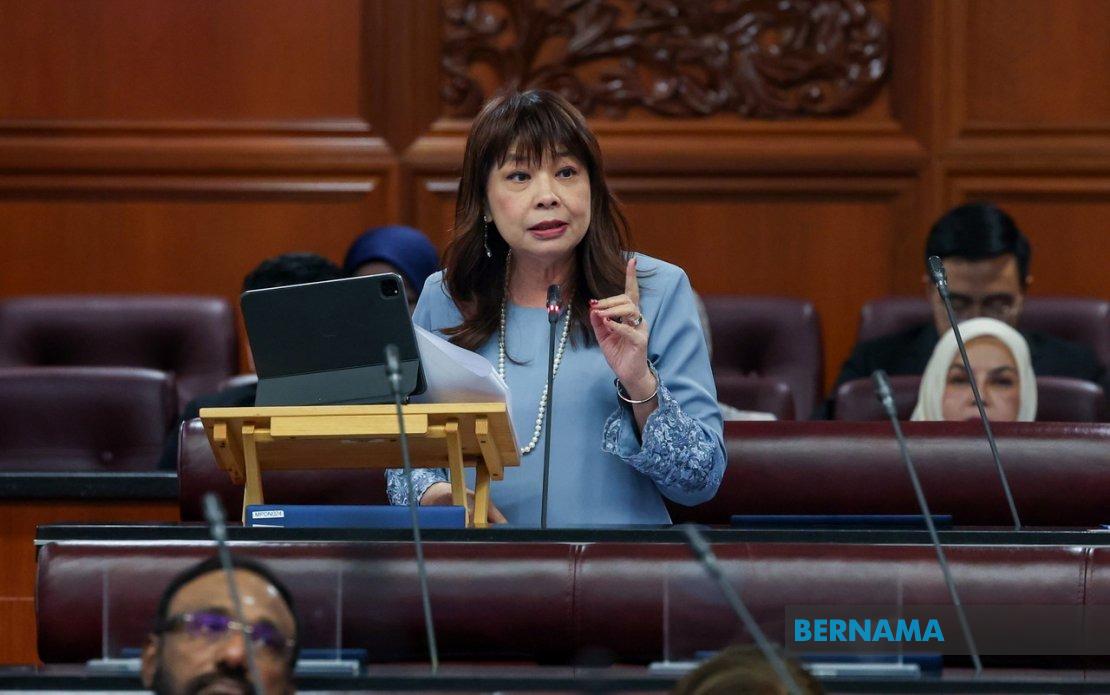
Malaysia's dedicated domestic violence helpline, Talian Kasih 15999, has fielded 9,327 calls related to domestic abuse over the past three years, Deputy Minister of Women, Family and Community Development Lim Hui Ying revealed during parliamentary questioning this week. The figures underscore the scale of the problem across the country and highlight the government's commitment to providing accessible support mechanisms for those trapped in abusive situations. The call volume represents part of a broader 127,000 social and welfare-related enquiries the hotline has managed during the same timeframe, indicating its role as a critical lifeline for vulnerable Malaysians.
In response to questioning from parliamentarian Datuk Muslimin Yahaya regarding the effectiveness of Talian Kasih and its follow-up intervention rates, Lim disclosed that the ministry has successfully concluded all domestic violence cases reported between 2022 and 2025. This comprehensive resolution represents a meaningful achievement in a system where bureaucratic backlogs often leave vulnerable individuals in limbo. The Deputy Minister's emphasis on complete case closure suggests a systematic approach to victim support beyond the initial crisis call, though observers may wish to scrutinise what "fully resolved" entails and whether resolution translates to genuine safety for callers.
More recent data illustrates the hotline's ongoing operational capacity. During the five-month period from January through May 2025, Talian Kasih received 470 domestic violence-related calls. Of these, 406 cases achieved resolution, while 64 remain under active investigation or intervention. The ratio demonstrates a relatively robust case-handling capability, with approximately 86 percent of recent complaints processed within a compressed timeframe. This efficiency metric becomes particularly significant when measured against Malaysia's sprawling geography and the resource constraints typically facing social welfare agencies across the region.
Beyond the headline statistics, Lim outlined the practical protective measures deployed following each successful hotline intervention. Victims receive assistance in securing Emergency Protection Orders (EPOs), which provide immediate legal safeguards, or Interim Protection Orders (IPOs) offering longer-term judicial protection. Additionally, the ministry coordinates placement in secure shelters for those whose safety remains compromised within their home environments. These mechanisms represent the backbone of Malaysia's domestic violence response infrastructure, transforming a telephone call into tangible legal and physical protection.
A notable development highlighted by the Deputy Minister concerns the evolving demographic profile of domestic violence victims. While the historical narrative has centred on female victims, recent data increasingly demonstrates that male victims constitute a growing proportion of domestic violence cases. Although men remain a numerical minority among reported incidents, the upward trend merits serious policy attention. This shift challenges conventional assumptions about gendered violence and suggests that support services must adopt more inclusive frameworks to accommodate victims of all genders, a position Lim explicitly endorsed.
The ministry's stated commitment to protecting individuals "of all races and genders without prejudice" signals an intention to move beyond victim categorisation and toward universal safeguarding principles. This inclusive approach carries particular relevance for Malaysia's multicultural society, where intersecting factors of ethnicity, religion, and socioeconomic status may compound vulnerability. By framing protection as a universal entitlement rather than reserved for specific demographic groups, the government positions itself to address the full spectrum of domestic abuse while avoiding stigmatisation of particular communities.
The reliance on a centralised hotline like Talian Kasih reflects broader regional trends in crisis support infrastructure. Several Southeast Asian nations have developed similar telephone-based interventions, recognising that accessibility and confidentiality often determine whether victims reach out. The Malaysian hotline's substantial call volume indicates public awareness of the service, though coverage among rural and marginalised populations remains unclear. Digital divides and language barriers may prevent segments of the population from accessing support, suggesting opportunities for expanding outreach through alternative channels.
Context matters when evaluating these statistics. Domestic violence remains significantly under-reported across the region, with many incidents never reaching authorities or dedicated helplines due to shame, fear, cultural pressures, or simple lack of awareness. The 9,327 recorded cases likely represent a fraction of actual incidents occurring in Malaysian homes. This gap between reported and actual incidence underscores the importance of sustained public awareness campaigns, community education, and grass-roots advocacy to encourage victims to seek help.
The three-year performance record also raises questions about resource allocation and sustainability. A 127,000-call annual throughput demands substantial staffing, training, and infrastructure investment. Whether current funding levels adequately support this operation, and whether the ministry possesses contingency planning for future demand increases, remains unclear from publicly available information. As domestic violence awareness campaigns improve, call volumes may spike, potentially straining existing capacity.
Looking forward, the ministry's commitment to comprehensive case resolution deserves scrutiny beyond the raw numbers. Genuine victim protection requires follow-up monitoring, counselling services, perpetrator accountability mechanisms, and livelihood support enabling economic independence. A call counted as "resolved" may represent merely the completion of initial triage rather than genuine restoration of safety and dignity. Transparency regarding outcomes and long-term victim welfare would strengthen public confidence in the system.
The parliamentary disclosure also highlights domestic violence as a persistent policy priority for Malaysia's government apparatus. Unlike issues that fade from political consciousness, sustained ministerial engagement and resource commitment suggest institutional recognition of the problem's severity and social cost. This sustained attention creates opportunities for evidence-based policy refinement and service expansion. However, political commitment must translate into adequate funding, training, and coordination across law enforcement, judicial, social welfare, and healthcare sectors to maximise victim protection and perpetrator accountability.

