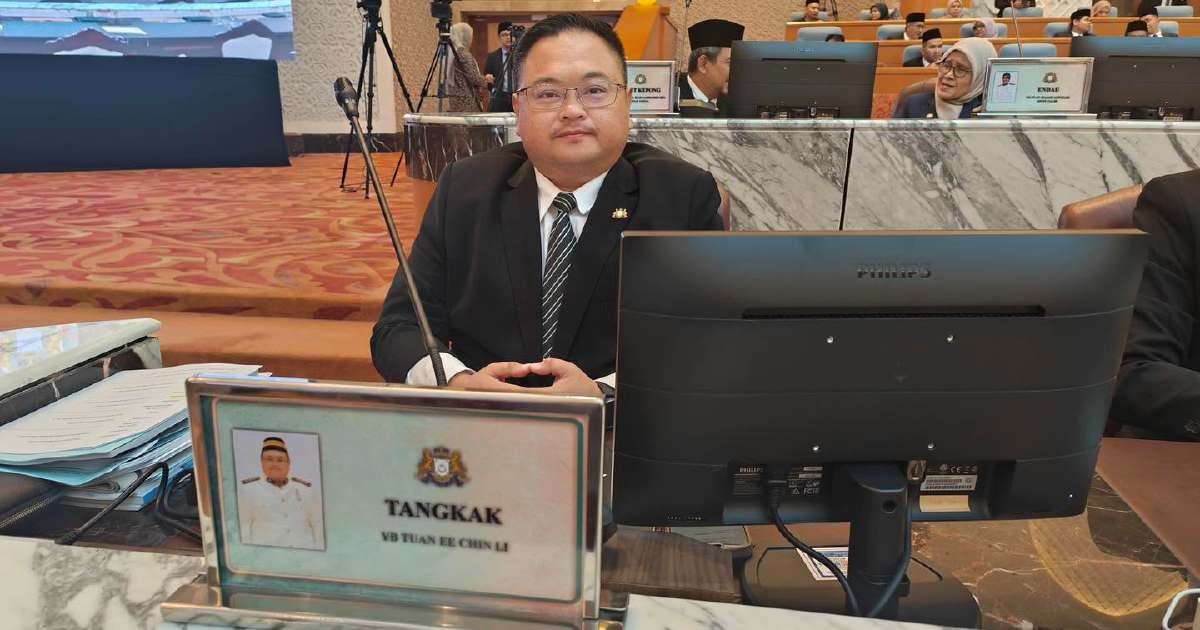
The Tangkak state constituency in Johor will witness a closely contested two-way battle on July 11 as Pakatan Harapan's incumbent Ee Chin Li prepares to defend his seat against Barisan Nasional challenger How Chin Teck. The matchup represents a significant contest in the upcoming state election and could play an important role in determining the overall composition of the Johor state assembly.
Ee Chin Li, representing the incumbent PH camp, carries the advantage of sitting on the seat but faces growing pressure from the traditionally dominant BN machinery in the state. The decision to field How Chin Teck as BN's candidate signals the coalition's determination to reclaim Tangkak, which sits within Johor's broader political landscape where BN has historically held substantial influence. The straight contest format eliminates the fragmentation that sometimes marks three-way or multi-candidate races, making this a cleaner test of voter preference between the two major coalitions.
Tangkak, a state constituency serving portions of Johor's Tangkak district, has become increasingly important in state-level politics. The district itself encompasses several residential areas and rural communities that depend on various economic sectors including agriculture and small-scale commerce. Understanding these constituencies requires acknowledging that Tangkak voters represent a cross-section of Malaysian society with diverse interests and concerns, from local development to broader national governance questions.
The July 11 election forms part of Johor's electoral calendar and carries implications extending beyond the state level. Control of Johor's state assembly influences the broader balance of power within Malaysia's federal system. A strong showing by either coalition in Tangkak would provide momentum for their candidates in other constituencies and shape narratives about voter sentiment. For PH, retaining Tangkak would demonstrate that the coalition maintains relevance in traditional BN strongholds. For BN, victory would reinforce the coalition's positioning as it navigates Malaysia's complex multiparty landscape.
Ee Chin Li's incumbent status provides certain organizational and communication advantages. Sitting representatives typically benefit from heightened visibility, established ground networks, and the ability to point to concrete constituency work undertaken during their tenure. However, incumbency can also invite scrutiny over unfulfilled promises or local grievances that have accumulated over a term. The Tangkak electorate will weigh these factors alongside evaluations of both candidates' qualifications and political parties' broader agendas.
How Chin Teck's candidacy represents BN's commitment to mounting a serious challenge. The coalition's decision-making process in candidate selection typically involves assessing both individual credentials and electability prospects. BN's machinery in Johor remains formidable, with deep roots in community structures and demonstrated capacity for mobilizing voters across diverse demographic groups. The challenge for How Chin Teck will involve translating BN's organizational strengths into victory on polling day.
Local issues likely dominate campaign discourse in Tangkak. These might encompass infrastructure development, education and healthcare service quality, public amenities, and economic opportunities. Both candidates will need to articulate compelling visions for addressing these concerns while also positioning themselves within their respective coalitions' broader policy frameworks. Voters in Tangkak, like constituents elsewhere, typically balance local considerations against state and national concerns.
The timing of Johor's state election reflects the state's constitutional arrangements and political circumstances. The July 11 date was established following earlier political developments within Johor, and the full slate of state elections across multiple constituencies provides opportunities for voters to render judgement on existing governance and competing visions for the state's future direction.
Campaign dynamics in Tangkak will likely reflect broader patterns visible across Johor's electoral landscape. Messaging from both coalitions will emphasize their respective track records, future plans, and appeals to voter values. The intensity of campaigning, effectiveness of grassroots mobilization, and ability of candidates to connect authentically with voters will all influence the outcome. Media coverage, both traditional and digital, will shape information flows and public discourse surrounding the contest.
For Malaysian political observers, Tangkak provides a useful barometer of coalition strengths and voter sentiment in Johor. The state's political trajectory matters considerably given its size, economic importance, and strategic location within the federation. Results from Tangkak and other constituencies will contribute to understanding how Malaysian voters are evaluating governance options as the country navigates contemporary challenges including economic management, social cohesion, and institutional development.
The straight fight format between Ee Chin Li and How Chin Teck eliminates complications that sometimes arise from multi-candidate contests and creates clearer accountability structures. Voters in Tangkak face a direct binary choice between the two major coalitions represented by these candidates. This clarity can facilitate more focused deliberation about which coalition should lead the state and pursue policies serving Tangkak residents' interests.
As Johor's state election approaches, Tangkak will receive increasing attention from party strategists, media commentators, and political analysts seeking to interpret voter intentions and predict overall electoral outcomes. The constituency's result, combined with findings from other seats, will determine the final composition of the Johor state assembly and establish the foundation for state-level governance during the coming term. For Tangkak voters, the July 11 election represents an opportunity to influence both their immediate political representation and Johor's broader policy direction.

