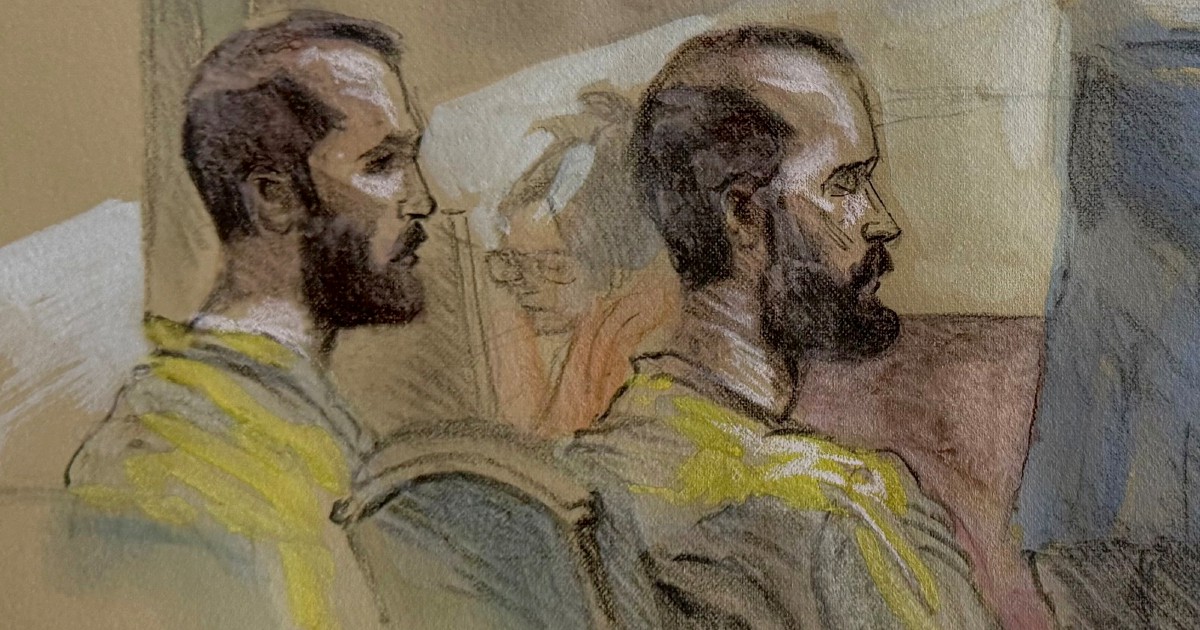
The Tate brothers, prominent figures in online influencer circles, will remain detained in a Miami federal facility as legal proceedings continue over their potential extradition to the United Kingdom on serious criminal charges. During a hearing conducted in Miami federal court on Thursday, Magistrate Judge Lauren Louis chose not to issue an immediate determination on the siblings' application for bail, effectively sustaining their current incarceration pending further judicial consideration of the matter.
Andrew and Tristan Tate have become widely recognised names across social media platforms, accumulating millions of followers through their content and entrepreneurial ventures. The pair have maintained a high-profile presence in digital spaces, though their reputation has been increasingly overshadowed by the legal complications they now face. Their detention in the United States represents a significant development in an international legal investigation that has drawn considerable attention from media outlets and social media communities worldwide.
The charges against the brothers in Britain centre on allegations of sexual assault, accusations that carry substantial legal consequences under British criminal law. Extradition proceedings of this nature typically involve complex jurisdictional questions and require careful examination of evidence and legal frameworks that differ between nations. The delay in the magistrate judge's ruling suggests the court recognises the gravity and complexity inherent in such cross-border cases.
For Malaysian and Southeast Asian observers, this case underscores the increasingly borderless nature of digital celebrity and the legal vulnerabilities that accompany online prominence. The Tate brothers' international following and business interests exemplify how social media influencers now operate across multiple jurisdictions, creating complicated scenarios when legal issues arise. Their situation reflects broader questions about accountability and jurisdiction in the digital age, particularly regarding individuals whose influence extends far beyond their physical location.
The bail application itself represents a standard legal procedure whereby defendants seek temporary release from custody pending trial, typically by posting financial security or meeting other court-imposed conditions. Judge Louis's decision to defer her ruling indicates she requires additional time to evaluate the strength of arguments presented by both the defence and prosecution. This deliberate approach protects the integrity of the judicial process while demonstrating the court's commitment to thorough examination of relevant factors.
Extradition treaties between the United States and United Kingdom create legal frameworks enabling authorities to pursue suspects across national borders. These agreements reflect decades of diplomatic cooperation and mutual recognition of each nation's judicial systems. However, extradition cases frequently involve contested proceedings where defendants challenge the legal basis for transfer, question evidence quality, or raise procedural objections that can prolong the process substantially.
The Tate brothers' continued detention in federal custody carries significant implications for their legal strategy and financial resources. Extended incarceration can strain defence preparations, limit access to business affairs, and create psychological pressure that influences negotiation dynamics. Many high-profile extradition cases involve protracted custody disputes as legal teams attempt to secure release conditions that enable adequate case preparation.
British authorities pursuing the rape allegations represent a significant international law enforcement effort. The decision to seek extradition through formal channels indicates confidence in the evidence gathered and the legal basis for prosecution. Such cases require coordination between multiple agencies and careful adherence to established international protocols governing criminal justice cooperation between nations.
For the influencer industry broadly, the Tate brothers' situation serves as a cautionary narrative about legal exposure accompanying digital prominence. Content creators and entrepreneurs operating internationally face increasing scrutiny from multiple jurisdictions, each with distinct legal standards and enforcement mechanisms. The case demonstrates that online business success does not insulate individuals from criminal investigation or prosecution in different countries.
The magistrate judge's postponement of the bail determination does not prejudge the underlying extradition merits. Rather, it reflects the court's need for additional deliberation time when weighing multiple competing considerations. These typically include flight risk assessment, danger to the community, the strength of the prosecution's case, and humanitarian factors relevant to detention conditions and family circumstances.
Observers across the region note this case unfolds against a backdrop of growing international cooperation on serious crimes. Southeast Asian nations increasingly participate in mutual legal assistance treaties and extradition arrangements with Western democracies, creating similar scenarios where regional citizens face prosecution in distant jurisdictions. The Tate brothers' experience illustrates practical realities of modern international criminal justice.
As proceedings continue, the brothers remain subject to American federal custody rules and regulations governing their detention. Any eventual ruling from Judge Louis on bail will likely be subject to appeal, potentially extending the timeline further. The complex interplay between American federal courts, British authorities, and defence counsel ensures this case will generate continued legal developments in coming months, with ramifications extending beyond the individual circumstances to affect broader international judicial cooperation practices.

