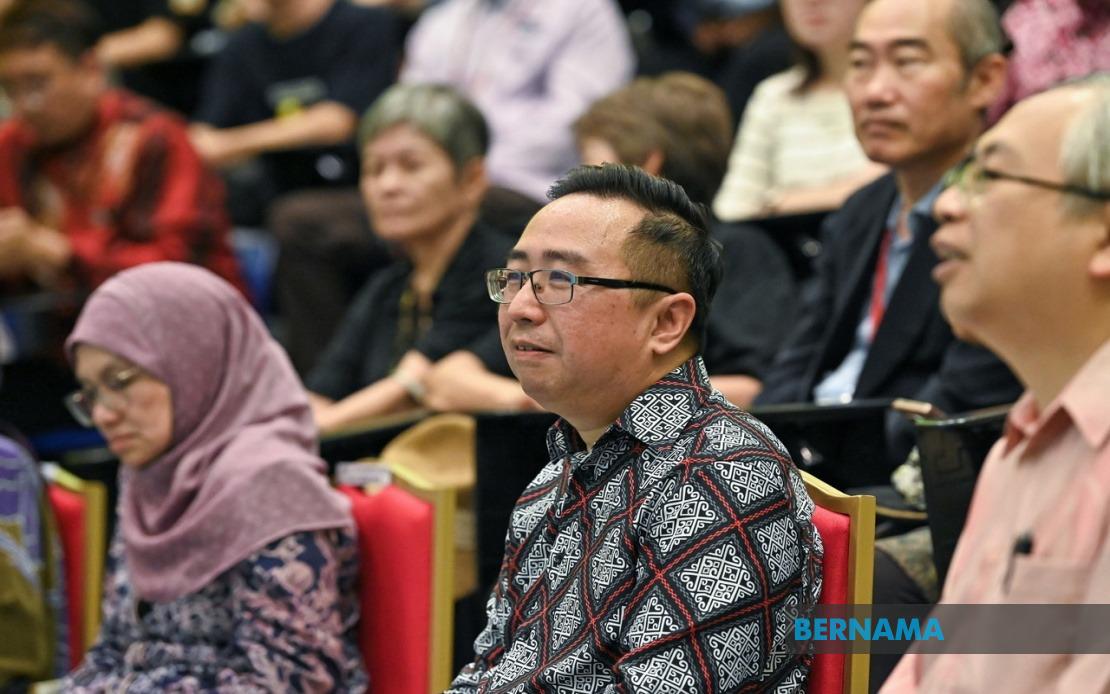
The influx of high-technology investment into Malaysia is reshaping the labour market for science and engineering professionals, creating what government officials describe as abundant employment prospects for graduates entering the sector. Speaking at the 20th Malaysia Festival of the Minds at Universiti Tunku Abdul Rahman's Kampar campus, Science, Technology and Innovation Minister Datuk Chang Lih Kang stressed that the expansion of tech-driven industries across the country has generated a substantial talent gap, where vacancies persistently outnumber qualified candidates available to fill them.
The minister's remarks come amid a concerted push by Malaysian policymakers to expand the domestic talent pipeline in STEM disciplines. Chang explained that the government recognises a critical mismatch between industry demand and graduate supply, prompting targeted initiatives to encourage students to pursue science and technology-related fields. This proactive approach reflects growing awareness among policy circles that Malaysia's competitiveness in advanced manufacturing and semiconductor production hinges on cultivating a sufficient workforce trained in specialised technical skills.
Addressing common anxieties among students regarding technological displacement, Chang used the festival platform to clarify the government's perspective on artificial intelligence and automation. Rather than viewing emerging technologies as threats to human employment, the minister portrayed them as catalysts for creating new professional opportunities and elevating the sophistication of available roles. By engaging directly with university students, the Ministry of Science, Technology and Innovation (MOSTI) aims to reframe the narrative around technology adoption and build confidence among the younger generation contemplating career trajectories in these fields.
The government's strategy extends beyond rhetoric, with substantive efforts to coordinate between higher education institutions and private sector employers. Universities are being encouraged to align their curricula and research priorities with industry requirements, ensuring graduates possess practical skills matched to current market demands. This collaborative approach recognises that the traditional university-to-employment pipeline requires continuous recalibration as technological capabilities advance and new specialisations emerge within the broader tech ecosystem.
In a significant demonstration of its commitment, the Malaysian government has allocated RM92 million from the Malaysia Science Endowment to support advanced packaging technology development, a critical component of the semiconductor supply chain. This public investment is being matched by RM93 million contributed by five industry partners, bringing the total commitment to RM185 million over a two-year implementation period. The matching-fund structure underscores a deliberate policy shift toward shared responsibility between government and private enterprise in building strategic technological capabilities.
The advanced packaging initiative itself represents Malaysia's attempt to strengthen its position within the global semiconductor value chain. Rather than competing purely on labour costs or basic manufacturing, the country is investing in higher-value technological segments where Malaysian firms can establish competitive advantages. Advanced packaging—the process of interconnecting and encapsulating semiconductor chips—requires sophisticated technical expertise and represents a more profitable segment of electronics manufacturing than traditional assembly operations.
This two-year initiative, which targets completion by 2028, reflects ambitious but achievable timelines for capability development. While Minister Chang acknowledged the inherent challenges in funding advanced technological projects and the complexity of building domestic expertise, he expressed confidence that the combined resources and commitment would enable Malaysia to reach its objectives. Such optimism must be tempered by recognition that semiconductor technology development carries inherent risks, including the need for continuous adaptation as global standards and techniques evolve.
For Malaysian STEM graduates and students currently deliberating their educational paths, these developments carry significant implications. The strong pipeline of investment into high-technology sectors suggests that science and engineering credentials will command competitive salaries and stable employment prospects in coming years. However, this opportunity comes with expectations of continuous professional development, as the technology sector demands workers who can adapt to rapid changes and acquire new skills throughout their careers.
Regionally, Malaysia's push to develop advanced semiconductor capabilities positions the country within Southeast Asia's emerging tech manufacturing ecosystem. With global semiconductor production becoming increasingly distributed across Asia in response to supply chain vulnerabilities exposed in recent years, Malaysia's investment in higher-value manufacturing segments could attract multinational technology firms seeking reliable production partnerships. This development holds broader significance for the region's economic trajectory, as control over semiconductor technology increasingly determines competitiveness across multiple industries.
The convergence of rising educational aspirations among Malaysian youth, sustained government investment in technology infrastructure, and genuine industry demand creates potentially favourable conditions for STEM career development. However, success depends on translating policy commitments into tangible improvements in university research facilities, industry-academic partnerships, and career pathways that adequately prepare graduates for roles in emerging technology sectors. The 20th Malaysia Festival of the Minds represents one element of a broader ecosystem that must function coherently to realise the government's vision of a thriving domestic technology talent base.

